0%

Table of Contents

Pharmaceutical development is the process of bringing a new drug or medical treatment to market. It’s a long, complex, and incredibly expensive undertaking – often taking over a decade and costing billions of dollars. But ultimately, it’s what allows us to combat disease, improve quality of life, and push the boundaries of medical science. It's not just about lab coats and beakers; it's about real people, real suffering, and the relentless pursuit of solutions. pharmaceutical development is a cornerstone of modern healthcare, and its efficiency and innovation directly impact global health outcomes.

The global pharmaceutical market is projected to reach over $1.5 trillion by 2023, and this growth is heavily reliant on successful pharmaceutical development pipelines. The World Health Organization (WHO) estimates that billions are lost each year due to preventable diseases, highlighting the urgent need for new therapies. Furthermore, the ISO standards for quality management systems play a critical role in ensuring the safety and efficacy of developed pharmaceuticals. The challenge isn’t just creating new drugs, but creating them safely, affordably, and equitably for a global population.

This increasing demand creates pressure on pharmaceutical companies to accelerate development timelines and reduce costs without compromising quality. This drives innovation in areas like personalized medicine, biologics, and digital health technologies, making the field of pharmaceutical development incredibly dynamic and essential for tackling the health challenges of the 21st century.

Advancing Global Health Through Innovative Pharmaceutical Development Practices

Defining Pharmaceutical Development

Advancing Global Health Through Innovative Pharmaceutical Development Practices

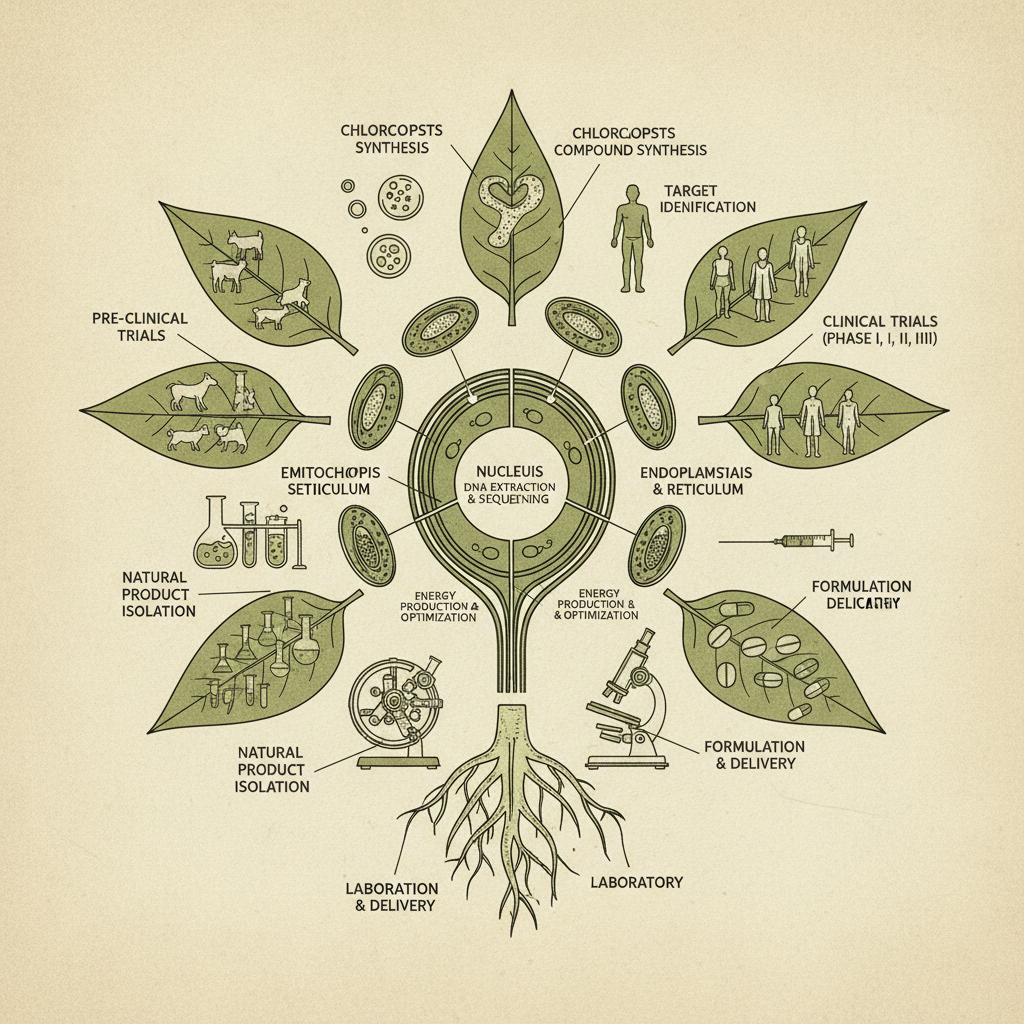
Simply put, pharmaceutical development is everything that happens after a potential drug target is identified. It's the journey from a promising molecule to a safe, effective, and commercially available medicine. This includes preclinical research – testing in labs and animals – then clinical trials involving human volunteers. It’s a multi-stage process focused on proving safety, determining dosage, and establishing efficacy.

This isn’t purely academic. In a world facing antibiotic resistance, emerging viral threats, and chronic disease epidemics, robust pharmaceutical development is the frontline defense. It's a direct response to the needs of humanity, striving to alleviate suffering and improve the human condition. Without a strong commitment to pharmaceutical development, we’re left vulnerable.

The Importance of Formulation

People often think it's just about the active ingredient, but formulation is absolutely critical. How you deliver a drug – whether it’s a tablet, capsule, injection, or inhaled powder – significantly impacts how well it’s absorbed by the body and how effectively it works. It’s not enough to have a molecule that can treat a disease; you need a formulation that will deliver it where it needs to go.

We're constantly dealing with issues like bioavailability, stability, and patient compliance. A beautifully designed molecule is useless if it degrades before it reaches its target, or if patients find it too difficult to take. Factors like particle size, excipient selection, and coating materials all play a crucial role.

Understanding these details, often through trial and error on the shop floor, is paramount. It's a blend of scientific principles and practical experience that allows us to translate a promising compound into a usable medicine.

Scalability and Manufacturing Processes

Taking a drug from a lab-scale synthesis to commercial production is a massive undertaking. It's one thing to make a few grams of a compound, but entirely another to manufacture tons of it, consistently and reliably. This requires careful optimization of manufacturing processes, ensuring they're efficient, cost-effective, and scalable.

This is where process chemistry and engineering come into play. We need to develop robust synthetic routes, optimize reaction conditions, and design equipment that can handle large volumes of materials. It’s about more than just chemistry; it's about physics, materials science, and a healthy dose of problem-solving.

Issues like impurity profiles, process validation, and maintaining consistent quality are paramount. Any deviation can lead to delays, increased costs, or even product recalls. A well-defined and validated manufacturing process is the backbone of any successful pharmaceutical product.

Regulatory Compliance and Quality Control

The pharmaceutical industry is one of the most heavily regulated in the world, and for good reason. Patient safety is non-negotiable. Strict adherence to regulations set by agencies like the FDA (in the US) and EMA (in Europe) is essential. This includes everything from documentation and data integrity to manufacturing practices and quality control procedures.

Good Manufacturing Practice (GMP) is the gold standard. It dictates how medicines are produced, tested, and released for sale. It's not just about ticking boxes; it's about building a culture of quality throughout the entire organization. It's about having robust systems in place to identify and address potential issues before they impact patients.

Pharmaceutical Development Compliance Ratings


Global Applications and Accessibility

The ultimate goal of pharmaceutical development isn’t just to create new medicines, but to make them accessible to those who need them, regardless of where they live. This is a significant challenge, particularly in low- and middle-income countries.

We see initiatives like the WHO’s access to medicines programs, and collaborations between pharmaceutical companies and international organizations to reduce costs and improve distribution. It’s a complex landscape involving intellectual property rights, pricing policies, and infrastructure limitations.

The Benefits of Streamlined Development

Reducing the time and cost of pharmaceutical development has a ripple effect. It allows us to get life-saving medicines to patients faster, potentially saving lives and improving public health outcomes. It also encourages innovation, as companies are more willing to invest in risky projects if the development process is more efficient.

Adopting new technologies like artificial intelligence (AI) and machine learning (ML) can accelerate drug discovery and development. These tools can analyze vast amounts of data to identify potential drug candidates, predict clinical trial outcomes, and optimize manufacturing processes.

Streamlined development is not about cutting corners, but about working smarter. It's about leveraging technology, improving collaboration, and embracing a risk-based approach to quality management.

Future Trends in Pharmaceutical Development

The future of pharmaceutical development is incredibly exciting. We're seeing a shift towards personalized medicine, where treatments are tailored to an individual’s genetic makeup and lifestyle. Gene therapy and CRISPR technology hold immense promise for treating genetic diseases.

Continuous manufacturing is gaining traction, allowing for real-time monitoring and control of the manufacturing process, leading to higher quality and lower costs. Digital twins – virtual representations of physical manufacturing processes – are also emerging as a powerful tool for optimization and risk mitigation.

Sustainability is becoming increasingly important, with a focus on reducing waste, minimizing energy consumption, and using environmentally friendly materials. The pharmaceutical industry is recognizing its responsibility to minimize its environmental footprint.

Table Summarizing Key Challenges and Mitigation Strategies in Pharmaceutical Development

Challenge Area Specific Challenge Mitigation Strategy Impact Level (1-5)
Timeline & Cost Lengthy clinical trial phases Adaptive trial designs, AI-powered patient recruitment 4
Manufacturing Scalability challenges Continuous manufacturing, process analytical technology 5
Regulatory Hurdles Complex and evolving regulations Early engagement with regulatory agencies, robust data management 4
Formulation & Delivery Poor bioavailability of new compounds Nanoparticle formulations, targeted drug delivery systems 3
Data Management Data silos and integrity issues Centralized data platforms, blockchain technology 3
Supply Chain Global supply chain disruptions Diversification of suppliers, nearshoring strategies 2

FAQS

What is the biggest bottleneck in modern pharmaceutical development?

Currently, the most significant bottleneck often lies in transitioning from promising preclinical data to successful clinical trials. Many compounds show efficacy in the lab but fail in humans due to unforeseen complexities in biological systems. This requires better predictive models, more sophisticated trial designs, and a deeper understanding of patient variability. Reducing this attrition rate is crucial for accelerating drug development.

How is AI transforming the process of drug discovery?

AI is rapidly changing drug discovery in several ways. Machine learning algorithms can analyze vast datasets of chemical compounds and biological information to identify potential drug candidates with greater speed and accuracy than traditional methods. AI can also predict drug-target interactions, optimize lead compounds, and even design new molecules with specific properties. This dramatically reduces the time and cost associated with early-stage research.

What are the key considerations for scaling up pharmaceutical manufacturing?

Scaling up manufacturing requires careful consideration of several factors. Maintaining consistent product quality is paramount, along with ensuring sufficient raw material supply and optimizing process parameters for large-scale production. Furthermore, regulatory compliance and cost-effectiveness are vital. Switching from batch to continuous manufacturing can greatly enhance efficiency and reduce costs, but requires significant investment and process validation.

How important is patient-centricity in pharmaceutical development?

Patient-centricity is increasingly crucial. Understanding patient needs, preferences, and experiences is essential for designing clinical trials that are more effective and engaging. Developing formulations that are easy to administer and adhere to, and incorporating patient feedback into the development process, can significantly improve treatment outcomes and patient satisfaction. Personalized medicine is a direct result of this shift towards patient-centricity.

What role does sustainability play in modern pharmaceutical development?

Sustainability is becoming a major focus. The industry is actively exploring ways to reduce its environmental footprint, from using greener solvents and manufacturing processes to minimizing waste and packaging materials. Sustainable sourcing of raw materials and responsible disposal of pharmaceutical waste are also critical. Consumers and investors are increasingly demanding environmentally responsible practices.

How can pharmaceutical companies navigate complex global regulatory landscapes?

Navigating global regulations requires a strategic approach. Early engagement with regulatory agencies in key markets is essential, as is developing a thorough understanding of local requirements and guidelines. Harmonizing data standards and establishing robust quality management systems that meet international standards are also crucial. Collaboration with local partners and consultants can provide valuable insights and support.

Conclusion

Pharmaceutical development is a demanding, multifaceted process that lies at the heart of modern healthcare. From initial drug discovery to scaled manufacturing and regulatory approval, it requires a unique blend of scientific expertise, engineering ingenuity, and unwavering commitment to patient safety. Streamlining this process – through innovative technologies, data-driven decision-making, and a patient-centric approach – is not just desirable, it’s essential for addressing the evolving health challenges facing our world.

Looking ahead, the convergence of AI, personalized medicine, and sustainable manufacturing practices will reshape the landscape of pharmaceutical development. Investment in these areas, coupled with a collaborative spirit between industry, academia, and regulatory agencies, will unlock new possibilities for creating life-saving medicines and improving the health and well-being of populations globally. Visit our website: www.hejiachemicaltech.com to learn more.

David Miller

David Miller

David Miller is a Senior Research Chemist at Hejia Pharmaceutical, specializing in cephalosporin antibiotic side-chain intermediates. He joined the company in 2018 after completing his PhD in Organic Chemistry at the University of California, Berkeley. David is a key contributor to the development of innovative synthetic routes for key intermediates,
Previous Advancing Product Pharmaceutical Development For Improved Healthcare Outcomes
Next Alkyl Polyglucoside Solutions for Healthcare Beauty

If you are interested in our products, you can choose to leave your information here, and we will be in touch with you shortly.