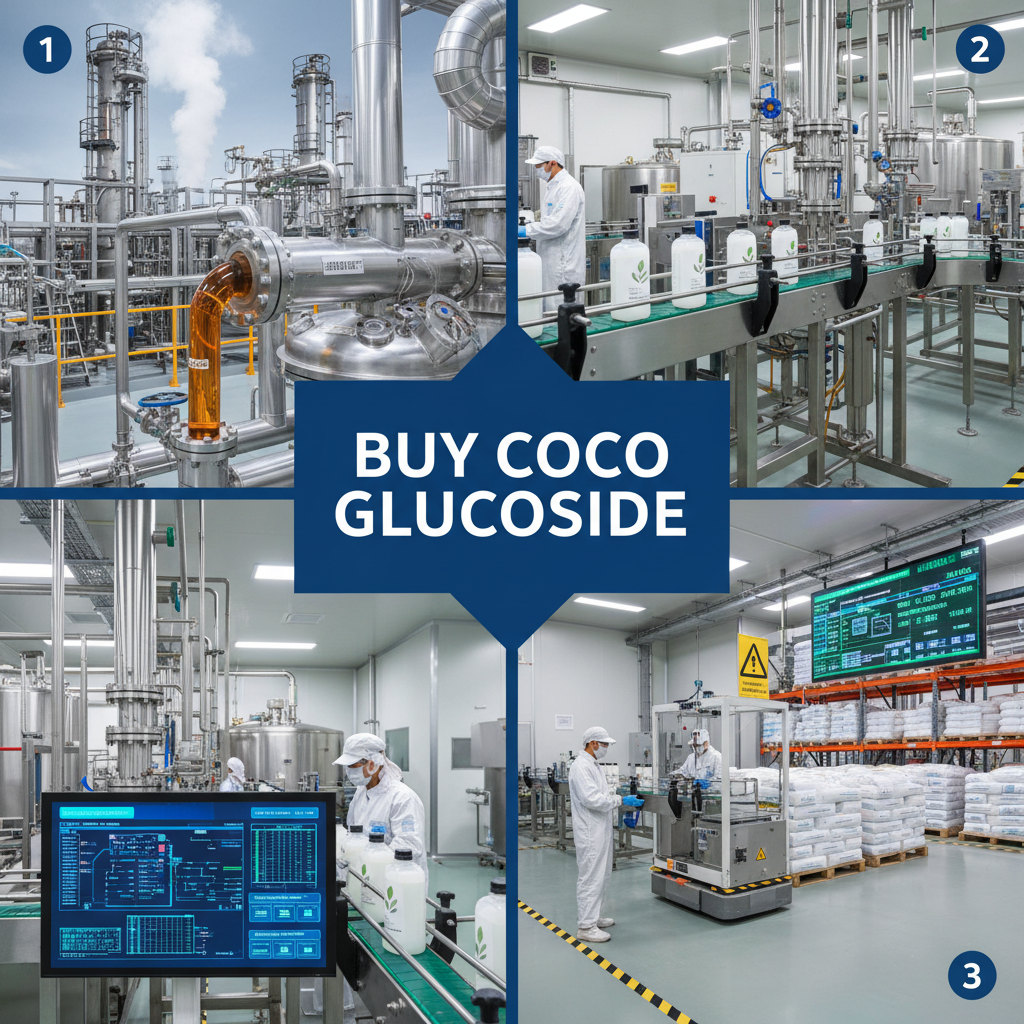
In the evolving landscape of green chemistry, the decision to buy coco glucoside has become a strategic priority for formulators seeking high-performance, biodegradable surfactants. As global regulations tighten around synthetic sulfates, this alkyl polyglucoside (APG) stands out as a non-ionic powerhouse that balances superior cleansing with unmatched skin compatibility.
Understanding the nuances of coco glucoside is essential for brands operating in the cosmetic and home care sectors. By shifting toward plant-derived chemistry, manufacturers not only enhance the safety profile of their products but also align with the growing consumer demand for "sulfate-free" and "eco-friendly" labels, making the move to buy coco glucoside a matter of market competitiveness.
Globally, the adoption of coco glucoside is accelerating as industry leaders prioritize sustainability without compromising on foam stability or viscosity. Whether you are developing a luxury baby shampoo or a concentrated industrial cleaner, sourcing high-purity coco glucoside ensures a stable emulsion and a gentle user experience, bridging the gap between industrial efficiency and environmental stewardship.
Global Industry Context of Coco Glucoside
The global demand to buy coco glucoside is driven by a systemic shift in the chemical industry toward renewable feedstocks. According to recent trends in the ISO-certified chemical manufacturing sectors, there is a marked increase in the replacement of petroleum-based surfactants with alkyl polyglucosides. This transition is not merely a trend but a response to stringent environmental protocols and the global push toward carbon neutrality.
Challenges such as aquatic toxicity and skin irritation associated with traditional surfactants have forced R&D departments to seek milder alternatives. Coco glucoside addresses these issues by offering a biodegradable profile that meets the highest ecological standards, making it a preferred choice for companies aiming to reduce their environmental footprint while maintaining high industrial efficacy.
Defining Coco Glucoside in Modern Chemistry
In simple terms, coco glucoside is a non-ionic surfactant produced by the reaction of coconut oil-derived fatty alcohols with glucose. Unlike anionic surfactants, it does not carry a charge, which allows it to be exceptionally gentle on the skin and compatible with a wide array of other ingredients. When formulators decide to buy coco glucoside, they are investing in a molecule that provides excellent wetting and emulsifying properties without the harshness of sulfates.
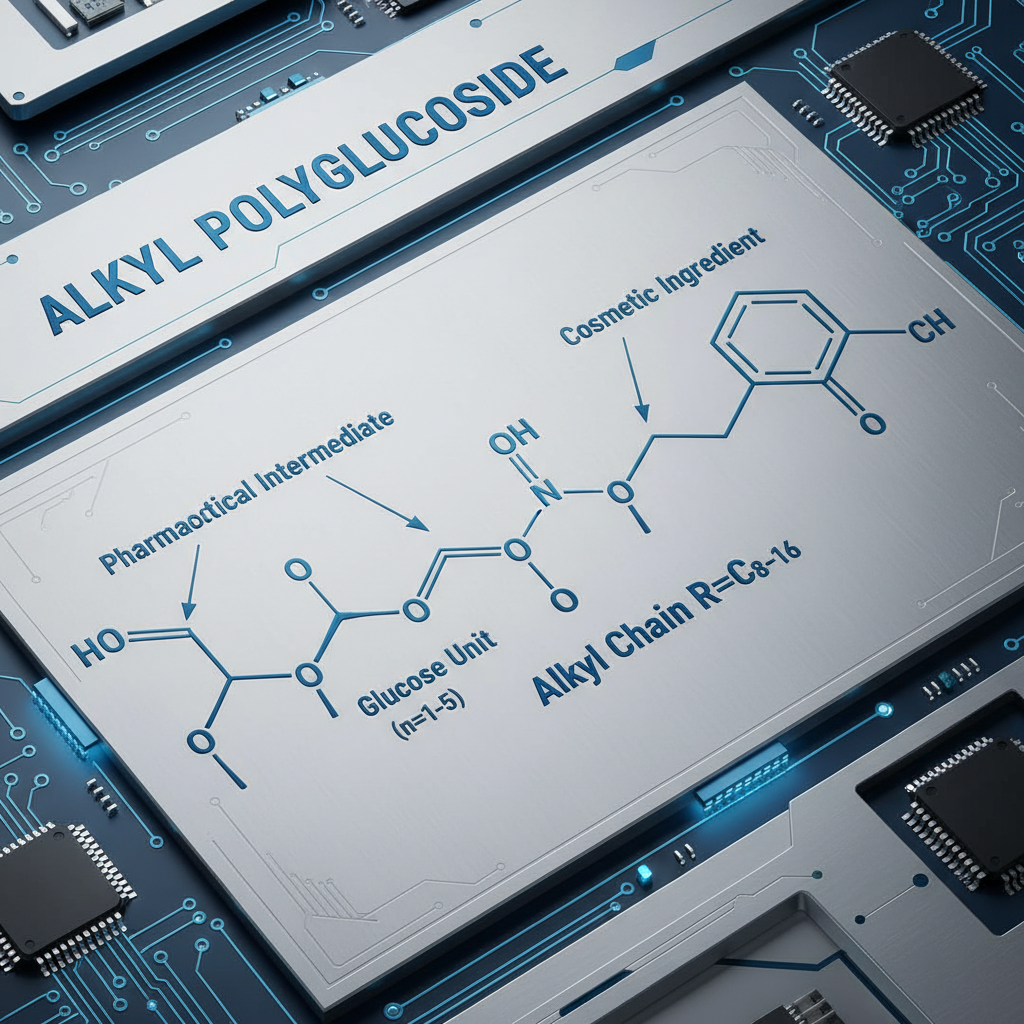
From a molecular perspective, the glucose head provides hydrophilicity while the coconut-derived chain provides lipophilicity. This structure enables the molecule to effectively break down oils and dirt, making it indispensable for "green" cleaning products. Its connection to humanitarian needs is evident in the production of hypoallergenic personal care products, ensuring that individuals with sensitive skin or dermatological conditions can access safe cleansing agents.
The integration of this ingredient into modern industry signifies a move toward "circular chemistry." Because it is derived from corn and coconut, it leverages agricultural cycles rather than fossil fuel extraction. This makes the decision to buy coco glucoside an endorsement of renewable resource management and sustainable industrial growth.
Key Performance Factors for Sourcing
When you look to buy coco glucoside, the first critical factor is Biodegradability. In the current regulatory climate, a surfactant must break down quickly in wastewater treatment plants to avoid bioaccumulation. Coco glucoside excels here, offering rapid aerobic and anaerobic degradation, which simplifies compliance with international environmental laws.
Mildness and Skin Compatibility is another paramount factor. Many traditional surfactants strip the skin's natural lipid barrier, leading to irritation. However, those who buy coco glucoside benefit from its ability to cleanse without disrupting the stratum corneum, making it the gold standard for baby care and organic skincare lines.
Lastly, Formulation Scalability and cost-efficiency cannot be overlooked. While some bio-surfactants are prohibitively expensive or difficult to stabilize in large batches, coco glucoside offers a reliable balance. Its stability across a wide pH range ensures that it remains effective whether used in a low-pH facial cleanser or a neutral-pH hand soap, providing long-term value to the manufacturer.
Global Applications and Industrial Use Cases
The versatility of this compound leads industries across the globe to buy coco glucoside for diverse applications. In the European cosmetic market, it is widely used in "Natural" certified shampoos and shower gels. In North America, it has found a stronghold in the "Green Home" cleaning sector, where it serves as the primary cleaning agent in eco-friendly dish soaps and all-purpose cleaners.
Beyond consumer goods, coco glucoside is utilized in specialized industrial zones for agricultural emulsifiers. For instance, in organic farming operations in Southeast Asia, it is used to stabilize bio-pesticides, ensuring that the active ingredients adhere to plant surfaces without introducing toxic residues into the soil. This demonstrates that the utility of the product extends far beyond the bathroom vanity.
Performance Comparison when you Buy Coco Glucoside Variants
Long-Term Value and Sustainability Benefits
The decision to buy coco glucoside provides tangible long-term economic and social value. By reducing the reliance on petrochemicals, companies mitigate the risks associated with volatile oil prices and carbon taxes. Furthermore, the transition to biodegradable surfactants reduces the cost of wastewater treatment and minimizes the ecological impact on local waterways, creating a positive feedback loop for corporate social responsibility (CSR).
From an emotional and brand-equity perspective, using coco glucoside fosters trust. Consumers today are highly educated about ingredients; they look for transparency and safety. By incorporating a plant-based surfactant, brands can confidently claim "non-toxic" and "skin-friendly" status. This innovation in formulation not only protects the user's skin but also the dignity of the planet, aligning profit with purpose.
Future Innovations in APG Technology
As we look toward the future, the methods used to produce the materials people buy coco glucoside for are evolving. Digital transformation in chemical synthesis, such as the use of AI-driven catalyst optimization, is allowing manufacturers to produce coco glucoside with higher purity and lower energy consumption. This "Industry 4.0" approach is reducing the carbon footprint of the production process itself.
Moreover, we are seeing a trend toward the integration of coco glucoside in synergistic blends with other bio-surfactants like rhamnolipids. These hybrid systems aim to create "super-surfactants" that offer the cleansing power of traditional chemicals with even lower toxicity. This evolution ensures that the market for coco glucoside will continue to grow as new high-performance applications are discovered.
Sustainability policies, such as the EU Green Deal, are further accelerating these innovations. We anticipate a shift toward 100% traceable supply chains, where every batch of coco glucoside can be traced back to sustainably managed coconut plantations. This level of transparency will become a prerequisite for those who buy coco glucoside for high-end organic certifications.
Overcoming Technical Challenges in Formulation
Despite its benefits, those who buy coco glucoside often encounter technical hurdles, primarily related to viscosity. Because coco glucoside is non-ionic, it does not thicken as easily as anionic surfactants (like SLS) when salt is added. This often requires the use of auxiliary thickeners or modified rheology modifiers to achieve the desired "premium" feel of a liquid soap.
Another common challenge is the "flash foam" quality. While coco glucoside produces stable foam, it may lack the immediate, voluminous lather that consumers associate with traditional detergents. Expert formulators solve this by blending coco glucoside with other APGs or betaines, creating a balanced surfactant system that offers both mildness and satisfying foam performance.
The solution to these limitations lies in professional guidance and precision dosing. By optimizing the ratio of coco glucoside to co-surfactants, manufacturers can create a product that is both ecologically superior and commercially viable. The following table summarizes the technical considerations for optimizing coco glucoside in various product lines.
Technical Optimization Guide for Coco Glucoside Formulations
| Product Category |
Primary Challenge |
Recommended Solution |
Efficacy Score (1-10) |
| Baby Shampoo |
Tear-free requirement |
High-purity coco glucoside + Glycerin |
10 |
| Hand Soap |
Low Viscosity |
Xanthan Gum or PEG-150 Distearate |
8 |
| Face Wash |
Skin Barrier Protection |
Coco glucoside + Aloe Vera extract |
9 |
| Dish Detergent |
Grease Cutting Power |
Blend with Lauryl Glucoside |
7 |
| Industrial Cleaner |
Hard Water Stability |
Chelating agents + Coco glucoside |
8 |
| Organic Pesticide |
Leaf Adhesion |
Controlled HLB value adjustment |
9 |
FAQS
Coco glucoside is a non-ionic surfactant, meaning it is significantly milder and less irritating to the skin and eyes than Sodium Lauryl Sulfate (SLS) or Sodium Laureth Sulfate (SLES). Furthermore, it is derived from renewable plant sources (coconut and corn) and is fully biodegradable, making it the superior choice for eco-conscious brands and sensitive skin products.
Yes, coco glucoside is widely accepted in most organic and natural certification standards (such as COSMOS or ECOCERT), provided it is produced without prohibited chemical solvents and sourced from sustainable plantations. It is a cornerstone ingredient for "natural" claim labeling.
Because it is non-ionic, coco glucoside does not respond to salt thickening. To increase viscosity, we recommend using natural gums (like Xanthan Gum), cellulose derivatives, or blending it with other surfactants like Cocamidopropyl Betaine, which can help build a more robust structure in the final formulation.
One of the greatest advantages of deciding to buy coco glucoside is its exceptional pH stability. It remains stable and effective across a wide pH range, from slightly acidic to alkaline, which allows it to be used in everything from pH-balanced facial cleansers to heavy-duty industrial soaps.
It can be used as both. In ultra-mild products, it can serve as the primary surfactant. However, in products requiring high foam volume or aggressive grease removal, it is most effective as a primary or co-surfactant in a blend, enhancing the mildness of other agents while contributing to the overall cleaning power.
Quality is verified through a Certificate of Analysis (CoA) which checks for active matter content, pH levels, color, and the absence of residual fatty alcohols. When you buy coco glucoside from a reputable supplier, ensure they provide these specs along with MSDS and sustainability certifications.
Conclusion
In summary, the move to buy coco glucoside represents a critical alignment with the future of sustainable chemistry. By combining high biodegradability, exceptional mildness, and versatility across diverse industrial applications, coco glucoside solves the fundamental conflict between cleaning performance and environmental safety. From luxury skincare to industrial-grade bio-cleaners, it provides the technical foundation for products that are safe for the user and the planet.
As global regulatory frameworks continue to phase out harsh synthetic surfactants, the adoption of alkyl polyglucosides is no longer optional—it is a strategic necessity. We suggest that formulators begin integrating coco glucoside into their R&D pipelines now to stay ahead of the "clean beauty" and "green chemistry" curves. For high-purity, sustainably sourced ingredients that empower your innovation, visit our website: www.hejiachemicaltech.com.