Selecting the right chemical building blocks often dictates the success of a skincare formulation, moving beyond simple mixing to a precise science of molecular interaction. The efficacy of a finished cosmetic product depends heavily on the stability and purity of its core components, which determine how a product behaves on the skin and how it delivers results.
Recent shifts in consumer demand toward "clean beauty" and biodegradable alternatives have forced manufacturers to re-evaluate their raw material sourcing. The industry is moving away from harsh synthetics toward high-purity intermediates and green surfactants that maintain performance without compromising environmental safety.
Understanding the synergy between various active ingredients in cosmetic products is essential for developers aiming to balance sensory appeal with biological activity. This analysis explores the technical requirements for these components and the evolving standards for high-performance cosmetic chemistry.


At the molecular level, active ingredients are the components specifically designed to produce a biological change in the skin or hair. Unlike excipients, which provide texture or preserve the product, these actives must possess a high degree of purity to avoid adverse skin reactions and ensure predictable results.
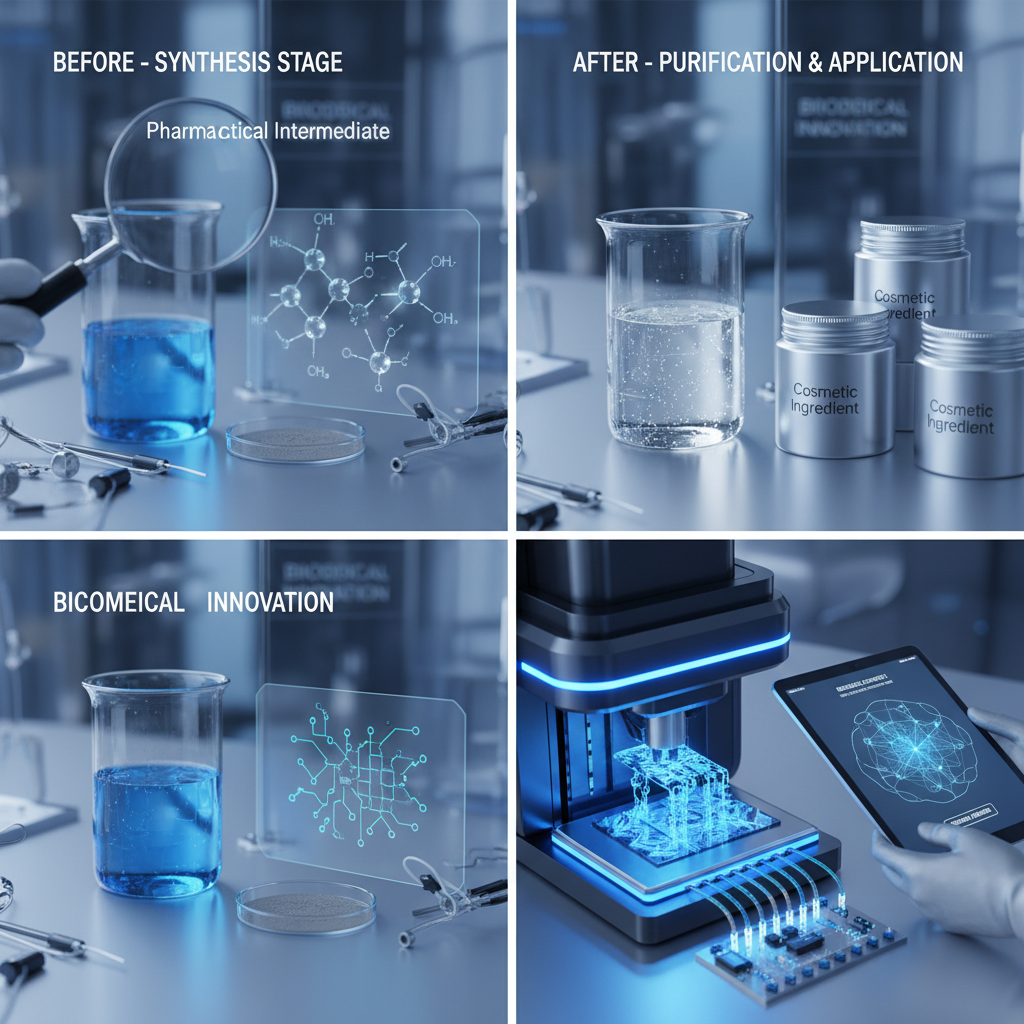
The production of these substances often involves complex organic synthesis. For instance, the use of fine chemical intermediates such as AE Active Ester or specific Triazine Ring structures allows for the creation of targeted molecules that can penetrate the lipid barrier of the skin more effectively.
One of the primary challenges in formulating cosmetic products is the inherent instability of many active compounds. Oxidation, UV degradation, and pH sensitivity can render an active ingredient useless or, in some cases, irritating to the user. Ensuring stability requires a deep understanding of chemical equilibrium and the use of appropriate stabilizers.
The delivery system is equally critical. A high-potency active is ineffective if it remains on the surface of the stratum corneum. Modern chemistry focuses on enhancing permeability through molecular modification or the use of specialized delivery vehicles that protect the active until it reaches the target cellular layer.
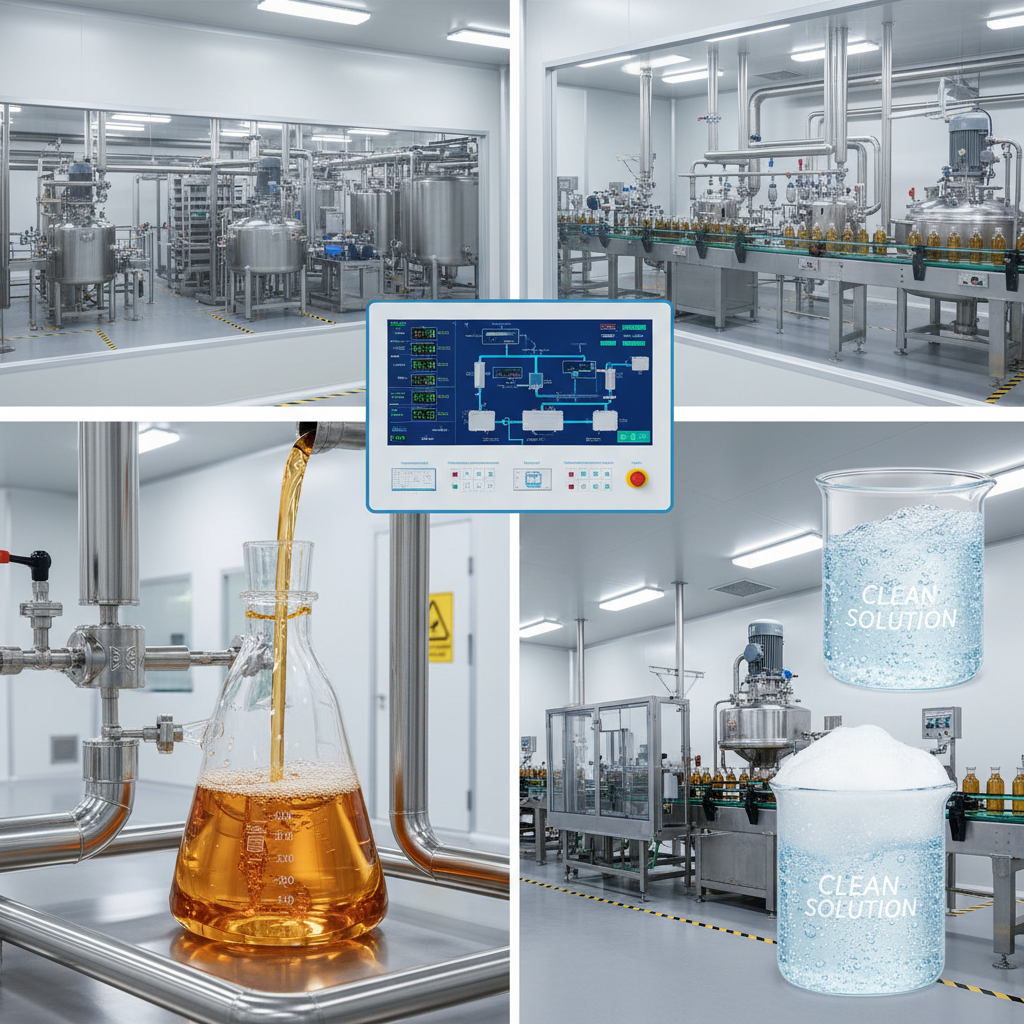
Consistency in quality is maintained through rigorous testing. In the pharmaceutical-grade chemical sector, this means adhering to strict quality control procedures that mirror GMP standards, ensuring that each batch of raw material exhibits the same purity and activity levels.
The shift toward sustainability has led to the rise of "Green Chemistry" in the manufacture of cosmetic raw materials. This approach emphasizes the reduction of hazardous substances and the use of renewable feedstocks to minimize the environmental footprint of the production process.
The integration of fully biodegradable surfactants, such as Alkyl Polyglucosides (APG), represents a critical transition toward sustainable cosmetic chemistry, replacing traditional petrochemical-based surfactants with plant-derived alternatives.
This transition is not merely about marketing; it is a technical evolution. Biodegradable components like APG offer excellent mildness and compatibility with other actives, making them ideal for sensitive skin applications while meeting stringent international environmental regulations.
When evaluating the suitability of raw materials, formulators look at several key indices. These include purity levels, solubility in various solvents, and the rate of degradation under stress tests. A high purity index is particularly vital for actives to ensure that no residual catalysts or by-products interfere with the skin's biological response.
The relative effectiveness of different classes of ingredients can be modeled based on their ability to maintain stability versus their skin penetration efficiency. This allows companies to optimize the concentration of actives to achieve the desired effect without causing irritation.
In a typical industrial setting, a cosmetic manufacturer must synchronize the procurement of intermediates with the formulation schedule. For a high-end anti-aging line, this might involve sourcing high-purity AE Active Esters that can be seamlessly integrated into an emulsion without disrupting the viscosity or the scent profile of the product.
Furthermore, the use of specialized surfactants like Decyl Glucoside or Coco-Glucoside is common in "sulfate-free" shampoo formulations. These ingredients provide the necessary cleansing power while ensuring the product remains gentle on the scalp, demonstrating how technical material selection directly impacts the final consumer experience.
The industry is witnessing a move toward "biomimetic" ingredients—substances that mimic the natural chemistry of the skin. This trend is driving the development of new pharmaceutical intermediates that can better integrate with the skin's natural lipid barrier, reducing the risk of irritation and increasing the bioavailability of the actives.
Another significant trend is the integration of multi-functional ingredients. Instead of using separate components for emulsification, preservation, and activity, researchers are developing hybrid molecules that can perform multiple roles, thereby simplifying the formulation and reducing the potential for chemical conflicts.
As global regulations on microplastics and non-biodegradable polymers tighten, the demand for plant-based alternatives is no longer optional. Companies are investing heavily in R&D to ensure that their green alternatives match the performance of traditional synthetics in terms of foam stability and skin feel.
Choosing the right supplier for active ingredients requires a framework that balances technical specifications with compliance and sustainability. Manufacturers must look beyond the product data sheet to evaluate the supplier's quality management systems, such as ISO certifications, to ensure long-term batch-to-batch consistency.
Trade-offs are often necessary during the selection process. For example, a highly potent active might be more difficult to stabilize, requiring additional costly additives. Conversely, a more stable, milder ingredient may require a higher concentration to achieve the same clinical result.
The following evaluation framework helps manufacturers compare different categories of cosmetic ingredients based on technical and environmental criteria.
| Ingredient Class | Purity Requirement | Environmental Impact | Stability Factor |
|---|---|---|---|
| Bio-Surfactants (APG) | High (Low impurities) | Very Low (Biodegradable) | High (pH stable) |
| Synthetic Intermediates | Very High (Trace limits) | Moderate | Moderate (Oxidation risk) |
| Peptide-Based Actives | Extreme (USP grade) | Low | Low (Temperature sensitive) |
| Botanical Extracts | Variable (Standardized) | Low | Low (Light sensitive) |
| Emulsifying Waxes | Moderate | Moderate | High |
| Chelating Agents | High | Moderate | Very High |
An active ingredient is a substance specifically added to a formulation to provide a biological effect, such as reducing wrinkles or hydrating the skin. In contrast, excipients are inactive substances that serve as vehicles, stabilizers, or preservatives, ensuring the active ingredient remains stable and can be applied comfortably to the skin without producing the primary biological effect themselves.
Purity is critical because impurities—such as residual solvents or unreacted precursors—can cause skin irritation or allergic reactions. Furthermore, impurities can destabilize the overall formulation, leading to phase separation or discoloration over time. High-purity intermediates ensure that the active ingredient interacts predictably with other components, maintaining the product's efficacy and safety profile.
APGs are derived from renewable plant sources (sugar and fatty alcohols), making them fully biodegradable and environmentally friendly. Technically, they are much milder on the skin and eyes compared to traditional sulfates, which can strip the skin of its natural oils. This makes APGs ideal for "clean beauty" products and formulations targeted at sensitive skin.
The primary barrier is the stratum corneum, a lipid-rich layer designed to keep foreign substances out. Many actives are too large or too hydrophilic (water-loving) to pass through this lipid barrier. To solve this, chemists use liposomal delivery systems, molecular modification to increase lipophilicity, or chemical enhancers that temporarily modify the barrier permeability.
Evaluation should focus on three pillars: Technical Capability, Quality Assurance, and Compliance. Technical capability involves the supplier's ability to meet specific purity and potency specs. Quality assurance is verified through certifications like ISO 9001. Compliance ensures the materials meet regional safety regulations (such as REACH in Europe) and environmental standards for biodegradable production.
While most ingredients have a primary role, some "multi-functional" ingredients exist. Certain advanced surfactants can provide cleansing while also acting as emulsifiers for other actives or providing mild moisturizing properties. However, for high-potency biological effects, a dedicated active ingredient is usually required to achieve a measurable clinical result.
The evolution of active ingredients in cosmetic products is moving toward a convergence of pharmaceutical precision and environmental responsibility. As the industry shifts, the ability to source high-purity, biodegradable intermediates will be the primary differentiator for brands seeking to balance clinical efficacy with sustainable practices.
Ultimately, the success of any cosmetic product lies in the synergy of its components. By focusing on molecular stability, green chemistry, and rigorous selection frameworks, manufacturers can develop products that are not only effective but also safe for the consumer and the planet.