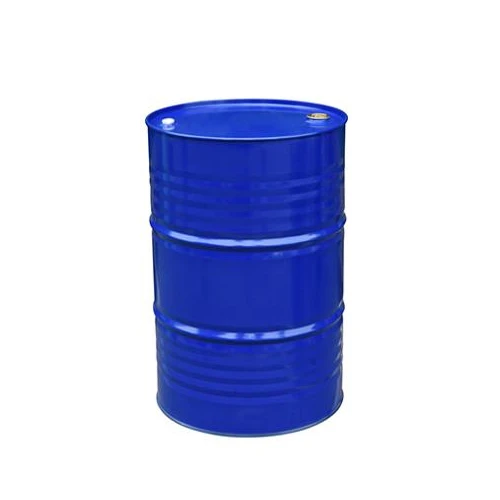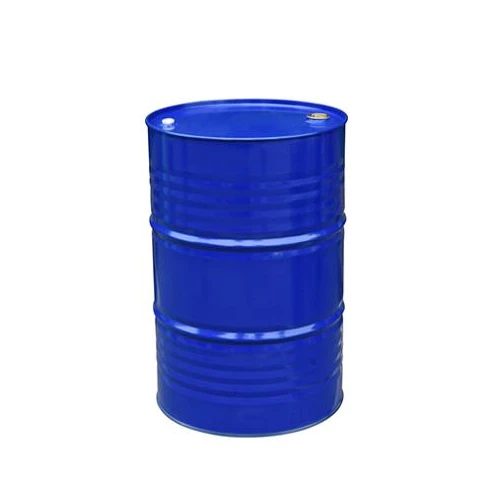
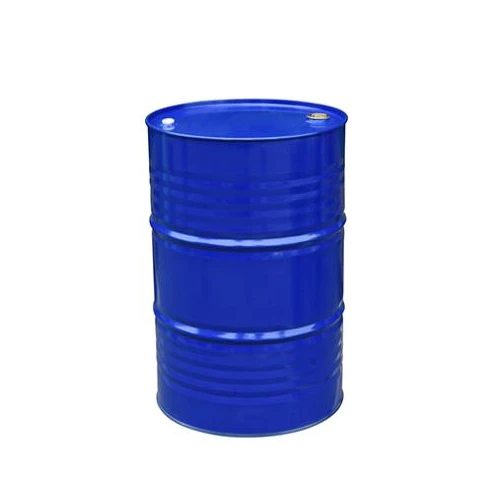
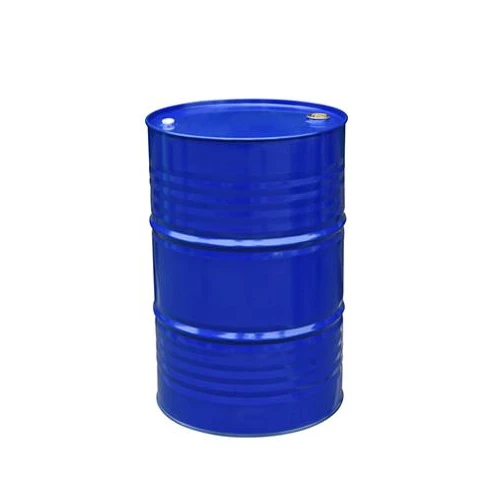
Advanced sodium coco glucoside Solutions for Uzbekistan Industry

Driving sustainable chemical innovation in Central Asia through high-performance, bio-based surfactants for specialized manufacturing.

Chemical Manufacturing Landscape in Uzbekistan

Analyzing the adoption of green surfactants in Central Asia's industrial hubs.

Uzbekistan's chemical sector is currently undergoing a strategic transition. With a climate characterized by extreme continental temperature swings, there is a growing demand for an alkyl polyglycoside surfactant that remains stable under diverse environmental stresses, particularly in the textile and personal care sectors of Tashkent and Samarkand.

The local market is shifting away from traditional petrochemical-based agents toward bio-based alternatives. The integration of alkyl polyglycoside is becoming critical as Uzbekistan aligns its industrial standards with international environmental protocols to boost export competitiveness in the Eurasian Economic Union.

Currently, the scarcity of high-purity specialty reagents has slowed certain advancements. However, the rising interest in the drug development market within Uzbekistan is creating a surge in demand for pharmaceutical-grade excipients and mild surfactants to ensure biocompatibility.
Evolution of Specialty Surfactants in Central Asia

From conventional industrial cleaners to precision bio-chemistry.

Market Development History

Prior to 2010, the Uzbekistan market relied heavily on linear alkylbenzene sulfonates (LAS), which offered high detergency but lacked biodegradability and mildness. The focus was primarily on volume rather than specialized chemical properties.

Between 2015 and 2022, a technical shift occurred as local manufacturers began introducing caprylyl decyl glucoside to meet the needs of "green" cosmetics and organic farming reagents, reducing skin irritation and environmental toxicity.

From 2023 onwards, the industry has entered the "Precision Era," where the focus has shifted to synergy between different APGs to optimize HLB values for specific pharmaceutical and agricultural formulations.

Future Development Trends

Bio-Catalytic Synthesis

Expect a transition toward enzymatic synthesis of glucosides to reduce energy consumption during the production phase in local chemical plants.

Pharmaceutical-Grade Integration

Increased adoption of ultra-pure surfactants to support the expanding drug development market, focusing on targeted drug delivery systems.

Circular Economy Adaptation

Development of closed-loop systems where surfactant waste is recovered and repurposed, aligning with Uzbekistan's "Green Economy" strategy.

Industry Trends and Future Outlook

Strategic projections for the specialty chemical sector in Uzbekistan.

Eco-Certification Surge
Increasing demand for REACH and ISO certified bio-surfactants to facilitate Uzbek exports to EU markets.
Customizable HLB Values
Shift toward tailored surfactant blends that optimize emulsification for specific arid-region agricultural pesticides.
Smart Formulation AI
Utilizing search trend data and AI to predict the next generation of skin-friendly surfactants.
Synergistic Blending
Combining APGs with amino acid surfactants to create ultra-mild cleaning agents for high-end cosmetics.

Industry Outlook

The future of the chemical reagent industry in Uzbekistan is inextricably linked to the diversification of its economic base. We anticipate a 15% year-on-year increase in the adoption of non-ionic surfactants as the government incentivizes "Green Chemistry" initiatives.

Furthermore, the strategic positioning of Uzbekistan as a regional hub for pharmaceutical synthesis will likely accelerate the demand for high-purity alkyl polyglycoside surfactant, shifting from bulk industrial use to precision laboratory applications.

Localized Applications in Uzbekistan

Real-world deployment of high-performance surfactants in regional industries.

1. Cotton Textile Processing

Applying mild detergents in the scouring process of Uzbek cotton to remove natural waxes without damaging the fiber strength, ensuring high-quality raw materials for garment exports.

2. Arid-Region Agriculture

Using bio-surfactants as wetting agents for pesticides in the Fergana Valley to improve leaf adhesion and reduce water runoff in drought-prone soil.

3. Pharmaceutical Formulation

Integration into the drug development market for the creation of stable emulsions in liquid medications, enhancing drug solubility.

4. High-End Personal Care

Utilizing sodium coco glucoside in the production of sulfate-free shampoos and cleansers for the growing urban middle class in Tashkent.

5. Industrial Degreasing

Implementing eco-friendly cleaning solutions in the automotive and machinery plants of Uzbekistan to replace hazardous solvents with biodegradable surfactants.

Brand Story

Global Development Journey of Hebei Hejia Pharmaceutical Technology Group Co., Ltd.

Foundation of Excellence

Established with a vision to bridge the gap between laboratory research and industrial scale-up in the specialty chemical sector.

Technical Breakthroughs

Perfected the synthesis of high-purity glucoside surfactants, solving the common industry pain point of color instability in bio-based products.

Global Market Expansion

Expanded operations into Central Asia, establishing strategic supply chains to support Uzbekistan's industrial modernization.

Sustainable Commitment

Implemented a zero-waste production protocol, ensuring that all chemical agents meet the strictest global biodegradability standards.

Vision for the Future

Becoming the primary catalyst for "Green Chemistry" in the Eurasian region, empowering local manufacturers with advanced reagent technology.

Comprehensive Product Portfolio for Uzbekistan

High-purity reagents and surfactants tailored for Central Asian industrial requirements.

Frequently Asked Questions in Uzbekistan

Technical guidance and market support for local chemical engineers.

How does alkyl polyglycoside perform in hard water conditions common in Uzbekistan?

APGs are non-ionic, meaning they are highly resistant to water hardness. Unlike traditional soaps, they maintain excellent detergency and stability in the mineral-rich water of the Central Asian region.

What is the advantage of using caprylyl decyl glucoside in cosmetic formulations?

It provides a superior balance of mildness and foaming capacity, making it ideal for baby products and sensitive skin cleansers produced for the Uzbek luxury market.

How does the drug development market utilize glucoside surfactants?

They are used as pharmaceutical excipients to improve the solubility of poorly water-soluble drugs and as stabilizing agents in nano-emulsions for targeted therapy.

Is sodium coco glucoside fully biodegradable?

Yes, it is derived from renewable plant sources (coconut oil and corn sugar) and is rapidly biodegradable, aligning with Uzbekistan's environmental protection laws.

Can these surfactants replace SLS in industrial detergents?

Yes, they can often replace or supplement Sodium Lauryl Sulfate (SLS) to reduce skin irritation and improve the eco-profile of the end product without sacrificing cleaning efficiency.

What are the storage requirements for surfactants in Uzbekistan's climate?

We recommend storing these products in temperature-controlled environments (15-25°C) to prevent crystallization during winter and viscosity changes during summer heatwaves.

Partner with Global Chemical Experts

Ready to upgrade your manufacturing standards in Uzbekistan? Our technical team is here to provide customized surfactant solutions.

Contact Us Now

If you are interested in our products, you can choose to leave your information here, and we will be in touch with you shortly.