Pharmaceutical drug discovery is a critical process with far-reaching implications for global health and well-being. It’s the research and development process that leads to the creation of new medications, offering solutions to diseases and improving the quality of life for millions worldwide. This complex field integrates biology, chemistry, pharmacology, and computational science to identify and develop potential therapeutic agents.
The global relevance of pharmaceutical drug discovery is underscored by the increasing prevalence of chronic diseases, emerging infectious threats, and an aging population. According to the World Health Organization, investment in research and development is crucial for tackling these challenges. The pharmaceutical industry contributes significantly to global economies, and breakthroughs in drug discovery drive innovation and economic growth.
Ultimately, pharmaceutical drug discovery aims to address unmet medical needs and enhance healthcare outcomes. From developing life-saving antibiotics to pioneering cancer therapies, the impact of successful drug discovery is profound. It’s a field driven by scientific curiosity, ethical considerations, and a commitment to improving human health and addressing complex global healthcare challenges.
Introduction to pharmaceutical drug discovery
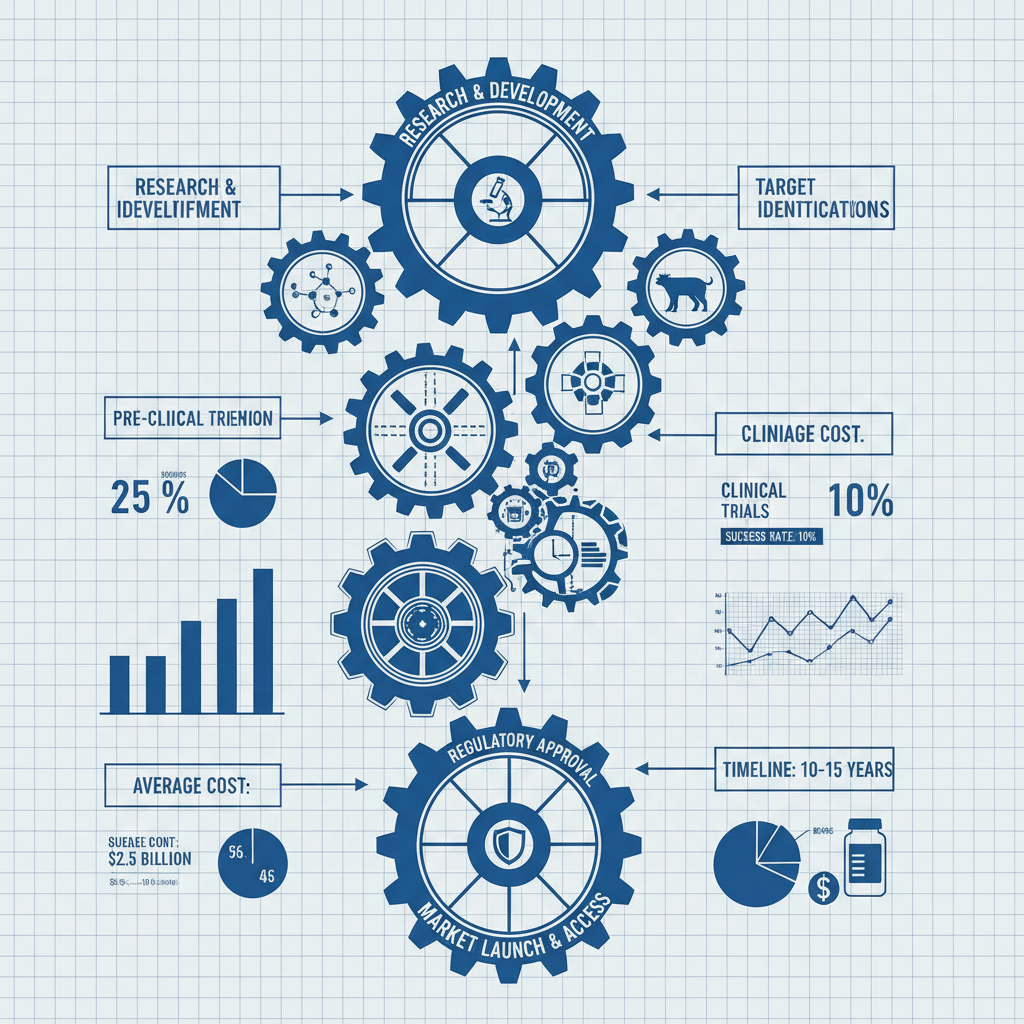
The process of pharmaceutical drug discovery is a lengthy and expensive undertaking, often spanning over a decade and costing billions of dollars per drug. It involves multiple stages, from initial target identification and validation to preclinical testing, clinical trials, and finally, regulatory approval. This complex process necessitates a collaborative effort between researchers, pharmaceutical companies, regulatory agencies, and healthcare professionals.
The field is increasingly embracing new technologies such as artificial intelligence (AI) and machine learning (ML) to accelerate the discovery process and reduce costs. These technologies are being used for tasks such as identifying potential drug candidates, predicting drug efficacy, and optimizing clinical trial design. The convergence of these advances promises to revolutionize how new medications are developed.
Defining Pharmaceutical Drug Discovery
Pharmaceutical drug discovery can be simply defined as the process of identifying new chemical entities or biological molecules that have the potential to treat or prevent disease. This involves a systematic search for compounds that interact with specific biological targets within the body, altering their function to achieve a therapeutic effect. It goes far beyond simply finding a compound; it involves demonstrating its safety and efficacy.
The connection to modern industry is paramount. The pharmaceutical industry relies heavily on continuous innovation to maintain competitiveness and address evolving healthcare needs. Drug discovery is the engine that drives this innovation, leading to the development of new treatments for a wide range of conditions, from common infections to life-threatening diseases.
Furthermore, drug discovery addresses crucial humanitarian needs. It's instrumental in combating infectious diseases in developing countries, providing treatments for neglected tropical diseases, and improving access to healthcare for vulnerable populations. The impact extends beyond simply treating illness; it contributes to improved public health and economic productivity.
Core Components of the Drug Discovery Process
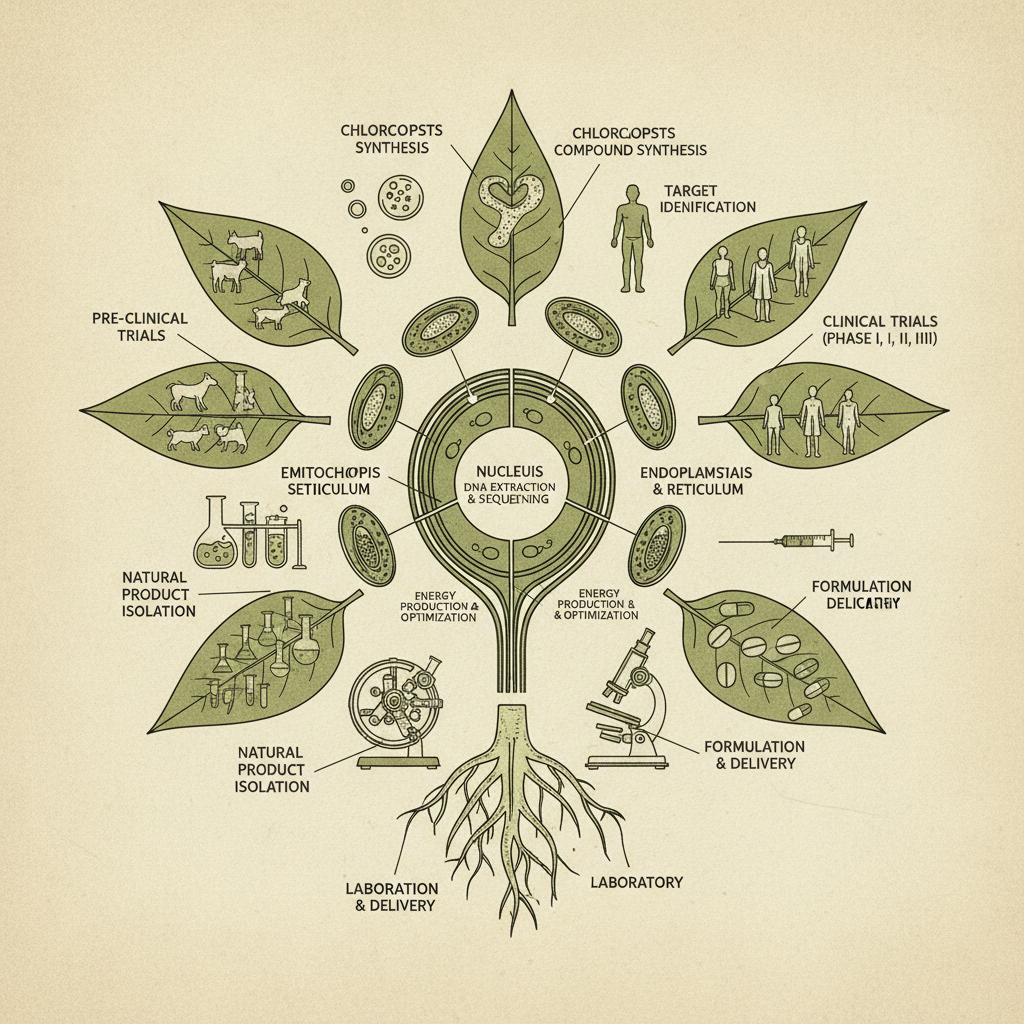
The pharmaceutical drug discovery process is built upon several key components. Firstly, Target Identification & Validation involves identifying a specific molecule (the target) within the body that plays a role in a disease process. Secondly, Hit Identification seeks to find compounds (hits) that interact with the identified target. Thirdly, Lead Optimization refines these hits into lead compounds with improved properties, such as potency and selectivity.
A fourth key component is Preclinical Development, where the lead compounds are tested in laboratory settings and animal models to assess their safety and efficacy. Fifthly, Clinical Trials involve testing the drug in human volunteers in a phased approach (Phase I, II, and III) to evaluate its safety, dosage, and effectiveness. Finally, Regulatory Review & Approval is the stage where the drug is submitted to regulatory agencies (like the FDA) for approval before it can be marketed.
These components are interconnected and iterative. For example, data from clinical trials can feed back into the lead optimization process, leading to further refinement of the drug candidate. The entire process is highly regulated and requires rigorous documentation and adherence to ethical guidelines. The process is also increasingly influenced by computational methods, allowing for in silico screening and prediction of drug properties.
Each component relies heavily on specialized expertise and advanced technologies. High-throughput screening, combinatorial chemistry, and molecular modeling are just a few examples of the tools used to accelerate the discovery process and improve the chances of success. Effective collaboration between different disciplines is crucial for navigating the complexities of drug discovery.
Global Applications of Pharmaceutical Drug Discovery
Pharmaceutical drug discovery has a wide range of global applications. In developed nations, it addresses the growing burden of chronic diseases such as heart disease, cancer, and diabetes. In developing countries, it focuses on combating infectious diseases like malaria, tuberculosis, and HIV/AIDS.
Organizations like the World Health Organization (WHO) and the Bill & Melinda Gates Foundation are actively involved in funding and coordinating drug discovery efforts targeted at global health challenges. These initiatives often focus on developing affordable and accessible treatments for neglected tropical diseases that disproportionately affect low-income populations. For instance, significant advancements have been made in the development of new antimalarial drugs through collaborative research efforts.
The benefits extend beyond direct patient care. Improved treatments can reduce healthcare costs, increase productivity, and contribute to economic growth. In post-disaster relief operations, rapid development of vaccines or therapeutics can be critical for containing outbreaks and preventing widespread illness. Furthermore, in remote industrial zones, access to essential medications can significantly improve worker health and safety.
Drug Discovery Method Efficiency
Advantages and Long-Term Value
The advantages of successful pharmaceutical drug discovery are multifaceted. From a cost perspective, while the initial investment is substantial, effective treatments can reduce the overall burden of disease, lowering healthcare costs in the long run. Sustainability is also a key benefit, as the development of durable and effective medications minimizes the need for repeated treatments.
The social impact is arguably the most significant. New drugs can alleviate suffering, improve quality of life, and extend lifespans. This contributes to a healthier and more productive society. The development of novel therapies also fosters trust in the healthcare system and encourages patients to seek treatment.
Future Trends and Innovations
The future of pharmaceutical drug discovery is poised for significant transformation. Artificial intelligence (AI) and machine learning (ML) are expected to play an increasingly prominent role in identifying potential drug candidates, predicting drug efficacy, and personalizing treatment plans. The integration of big data analytics and genomics will also accelerate the discovery process.
Furthermore, advancements in gene editing technologies like CRISPR-Cas9 offer the potential to develop targeted therapies for genetic diseases. Nanotechnology and advanced drug delivery systems are also promising areas of research, aiming to improve drug bioavailability and reduce side effects.
Challenges and Solutions in Drug Development
Despite significant advancements, pharmaceutical drug discovery faces numerous challenges. The high cost of research and development, the low success rate of clinical trials, and the increasing complexity of regulatory requirements are all major hurdles. Drug resistance is also an ongoing concern, particularly in the case of infectious diseases.
Solutions include fostering collaboration between academia, industry, and government, investing in innovative technologies, and streamlining regulatory processes. Developing new strategies to combat drug resistance, such as combination therapies and the discovery of novel drug targets, is also crucial. Embracing open science principles and data sharing can also accelerate the pace of discovery.
Furthermore, focusing on preventative medicine and personalized healthcare can reduce the overall burden of disease and create a more sustainable healthcare system. A holistic approach, combining drug development with lifestyle interventions and early diagnosis, is essential for maximizing health outcomes.
A Summary of Key Challenges and Mitigation Strategies in Drug Development
| Challenge |
Impact on Drug Development |
Mitigation Strategy |
Potential Outcome |
| High R&D Costs |
Limits access to innovation, especially for smaller companies. |
Public-private partnerships, streamlined clinical trial designs. |
Increased funding opportunities, reduced development timelines. |
| Low Clinical Trial Success Rates |
Significant financial losses, delays in bringing new drugs to market. |
Improved target validation, biomarker identification, patient stratification. |
Higher probability of success, reduced attrition rates. |
| Regulatory Hurdles |
Lengthened approval processes, increased compliance costs. |
Adaptive trial designs, real-world evidence, regulatory harmonization. |
Faster approval times, reduced administrative burden. |
| Drug Resistance |
Reduced drug efficacy, increased morbidity and mortality. |
Combination therapies, novel target identification, antimicrobial stewardship. |
Restoration of drug sensitivity, prevention of resistance development. |
| Lack of Diversity in Clinical Trials |
Limited generalizability of results, potential for unequal treatment outcomes. |
Targeted recruitment strategies, community engagement, culturally sensitive trial designs. |
More representative data, improved treatment efficacy across diverse populations. |
| Data Siloing & Lack of Sharing |
Slows down discovery, limits opportunities for collaboration. |
Open science initiatives, data standardization, secure data platforms. |
Accelerated research, increased innovation, improved knowledge dissemination. |
FAQS
The journey from initial discovery to market approval for a new drug typically takes 10-15 years and can cost upwards of $2.6 billion. This extensive timeline includes stages like target identification, preclinical studies, three phases of clinical trials, and regulatory review by agencies like the FDA. The high cost and lengthy process highlight the inherent risks and complexities of pharmaceutical drug discovery.
AI and machine learning are revolutionizing drug discovery by accelerating target identification, predicting drug efficacy, and optimizing clinical trial design. AI algorithms can analyze vast datasets to identify potential drug candidates and predict their properties, reducing the time and cost associated with traditional screening methods. Machine learning can also personalize treatment plans based on individual patient characteristics.
Developing drugs for rare diseases, often called orphan diseases, presents unique challenges. These include small patient populations, limited disease understanding, and a lack of financial incentive for pharmaceutical companies. Clinical trials can be difficult to conduct due to the limited number of patients available. However, regulatory agencies like the FDA offer incentives to encourage orphan drug development.
Clinical trials are meticulously designed to prioritize patient safety. They proceed in phases, starting with small groups of healthy volunteers (Phase I) to assess safety, followed by larger groups of patients with the disease (Phase II & III) to evaluate efficacy and monitor for side effects. Institutional Review Boards (IRBs) oversee trials to ensure ethical conduct and protect participant rights. Participants provide informed consent before enrolling.
Biomarkers are measurable indicators of a biological state or condition, and they play a crucial role in drug development. They can be used to identify patients who are most likely to respond to a particular treatment, monitor the effects of a drug, and assess disease progression. Biomarker identification and validation can significantly improve the efficiency and success rate of clinical trials.
Personalized medicine aims to tailor medical treatment to the individual characteristics of each patient. This approach relies on understanding a patient’s genetic makeup, lifestyle, and environment. Pharmaceutical drug discovery is evolving to develop drugs that are specifically targeted to individual patients or subgroups based on their unique profiles, maximizing efficacy and minimizing side effects.
Conclusion
In conclusion, pharmaceutical drug discovery is a complex, challenging, yet vitally important field. It is the cornerstone of modern healthcare, driving innovation and offering hope for the treatment and prevention of diseases. The process involves a rigorous, multi-stage approach, underpinned by scientific rigor, technological advancements, and ethical considerations. From identifying targets to navigating clinical trials, each step is critical to bringing life-changing medications to patients worldwide.
Looking ahead, the future of pharmaceutical drug discovery is bright, with emerging technologies like AI and gene editing promising to accelerate the pace of innovation and address unmet medical needs. Continued investment in research and development, coupled with collaborative efforts between industry, academia, and government, will be essential for realizing the full potential of this field and improving global health for generations to come. For more information on how we are advancing pharmaceutical drug discovery, visit our website: www.hejiachemicaltech.com.