Research and development in the pharmaceutical industry is the cornerstone of innovation, driving the creation of new medicines and therapies that improve global health. It's a complex, expensive, and highly regulated process, but essential for addressing emerging health challenges and improving the quality of life for people around the world. This isn’t just about lab coats and beakers; it’s about impacting lives, and the pace of innovation is continually accelerating.
Globally, the pharmaceutical industry is a multi-trillion-dollar market, with significant investment concentrated in North America, Europe, and increasingly, Asia. According to the WHO, investment in R&D is crucial to achieving Universal Health Coverage. Data from the Pharmaceutical Research and Manufacturers of America (PhRMA) shows that biopharmaceutical companies invest over $100 billion annually in research and development. The need for novel treatments, particularly for chronic diseases like cancer, diabetes, and Alzheimer’s, coupled with emerging infectious diseases, demands consistent and substantial investment in this field.
The current landscape faces significant challenges: rising development costs, increasing regulatory scrutiny, and the need to accelerate drug discovery. It's no longer enough to simply identify a promising compound; we need to streamline the process, improve efficiency, and ensure accessibility of new medicines to patients in need. The future of healthcare hinges on breakthroughs made through diligent research and development.
The Core of research and development in the pharmaceutical industry
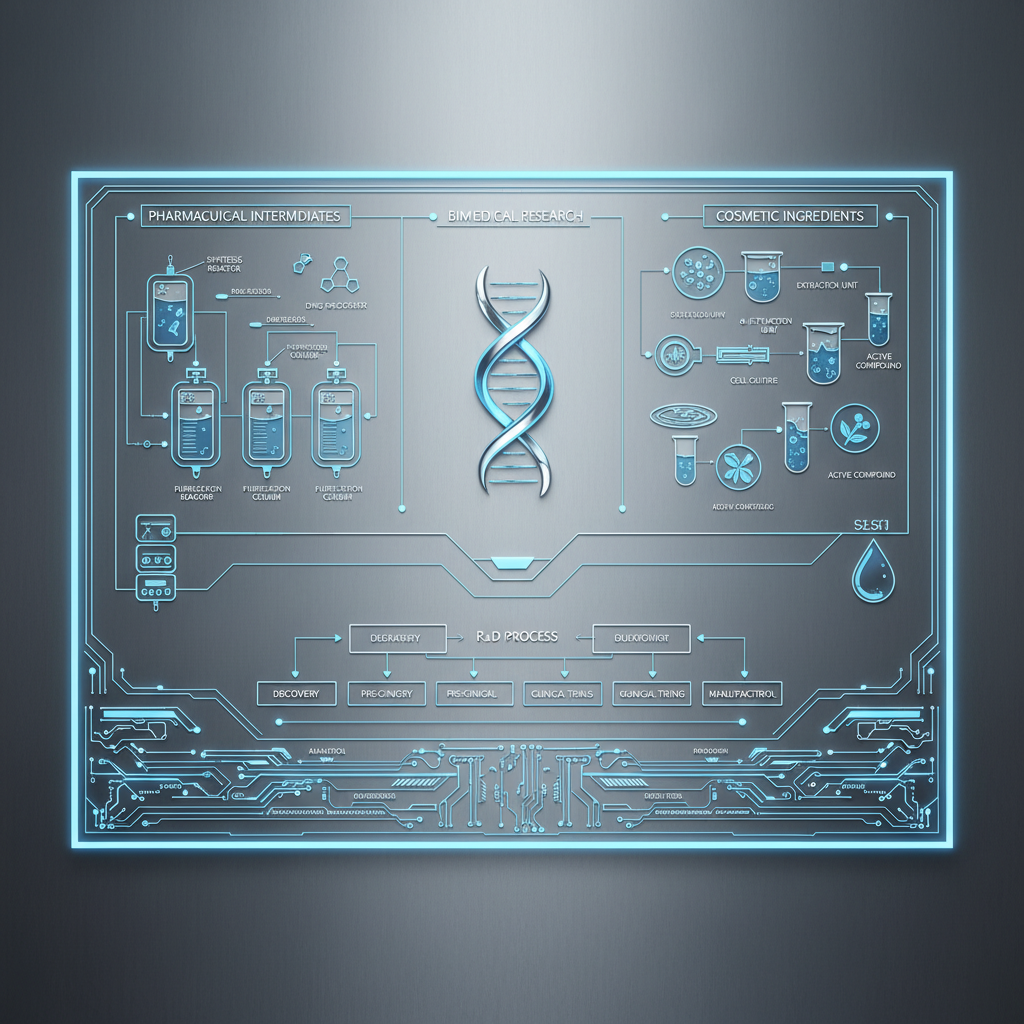
At its heart, research and development in the pharmaceutical industry is about discovering, developing, and commercializing new drugs. This starts with basic research—understanding diseases and identifying potential drug targets. It then moves into preclinical studies, testing compounds in the lab and on animals. If promising, these compounds enter clinical trials—testing on humans in phases to assess safety and efficacy. This entire process, from target identification to market launch, can take 10-15 years and cost billions of dollars.
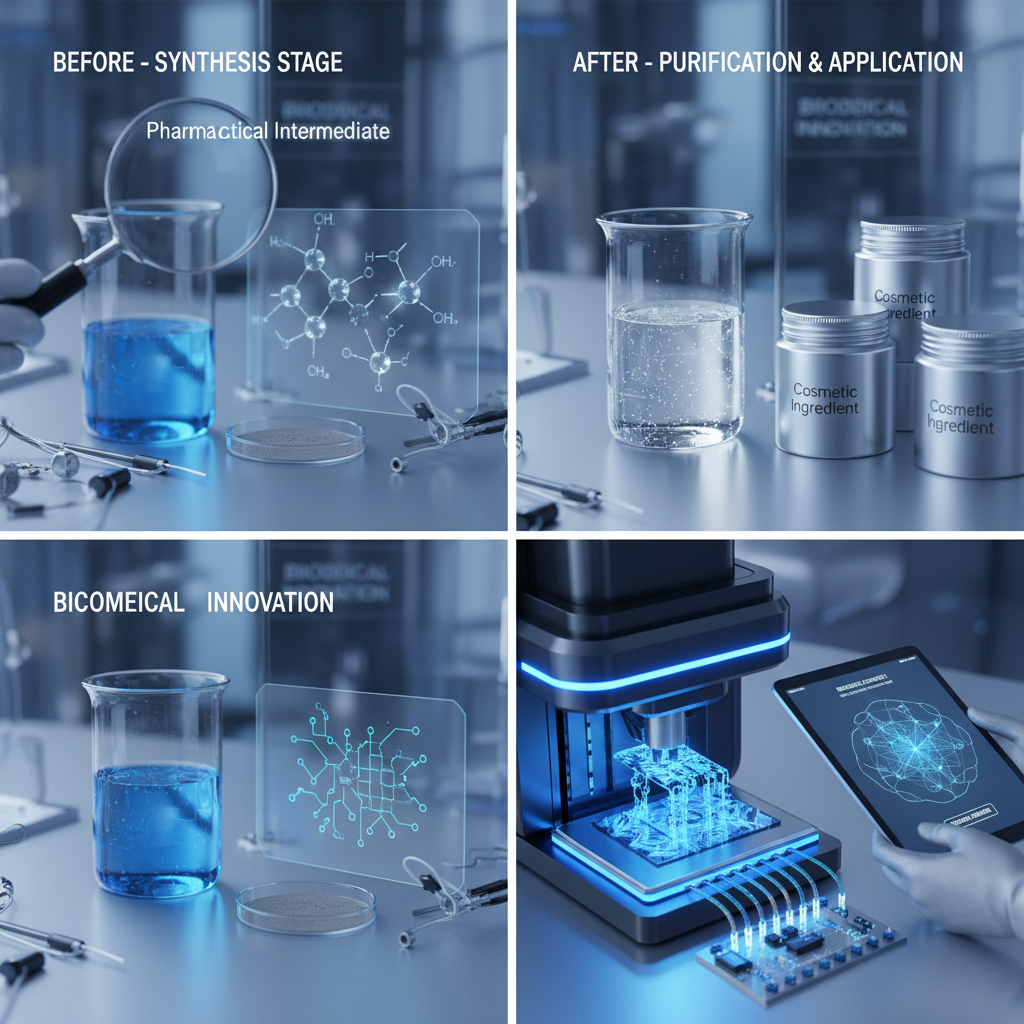
A significant portion of modern pharmaceutical R&D relies on cutting-edge technologies like genomics, proteomics, and artificial intelligence. These tools allow scientists to analyze vast amounts of data, identify patterns, and accelerate the drug discovery process. It's not just about chemistry anymore; it's about big data, bioinformatics, and understanding the intricacies of the human body.
The Global Importance of research and development in the pharmaceutical industry
The pharmaceutical industry plays a pivotal role in global public health. Without continuous research and development, we wouldn’t have vaccines for diseases like polio and measles, treatments for HIV/AIDS, or therapies for cancer. The industry’s impact extends beyond treating illness; it also encompasses preventative care, disease management, and improving overall quality of life. This isn't just a business; it’s a fundamental component of a functioning society.
The economic impact is substantial. The pharmaceutical sector contributes significantly to GDP in many countries, providing high-skilled jobs and driving innovation across related industries. Furthermore, access to affordable medicines is increasingly linked to economic development, allowing individuals to remain productive and contribute to their communities.
Looking at emerging markets, the need for R&D is particularly acute. Developing countries face unique health challenges, from infectious diseases to malnutrition, requiring targeted research and affordable solutions. Investing in pharmaceutical research and development in these regions is not only a humanitarian imperative but also a strategic economic opportunity.
Defining research and development in the pharmaceutical industry
Simply put, research and development in the pharmaceutical industry encompasses all the activities undertaken to create new or improved medicines. This isn’t a single process, but a series of interconnected stages: from initial discovery of a potential drug target, through preclinical testing, clinical trials, regulatory review, and ultimately, manufacturing and marketing. It’s a holistic process that demands expertise in a multitude of scientific disciplines.
Its connection to modern humanitarian needs is undeniable. The development of effective treatments for diseases like malaria, tuberculosis, and HIV/AIDS has dramatically improved health outcomes in developing countries. Furthermore, R&D is crucial for addressing emerging health threats, such as the COVID-19 pandemic, where rapid vaccine development saved countless lives.
Beyond treating illness, pharmaceutical R&D also focuses on preventative care, such as vaccines and diagnostic tools. The goal is not only to alleviate suffering but also to empower individuals to take control of their health and live longer, healthier lives. This shift towards preventative medicine is a key trend shaping the future of the industry.
Key Components of Successful research and development in the pharmaceutical industry
Successful pharmaceutical R&D hinges on several key components. First, a strong scientific foundation is critical—a deep understanding of biology, chemistry, and pharmacology. Second, advanced technology platforms, such as high-throughput screening and genomics, are essential for accelerating drug discovery. Third, efficient clinical trial design and execution are vital for demonstrating safety and efficacy.
Beyond the scientific aspects, effective project management and cross-functional collaboration are paramount. R&D teams must work seamlessly with regulatory affairs, manufacturing, and marketing to ensure a smooth transition from the lab to the market. A streamlined process, coupled with clear communication, is key to reducing costs and timelines.
Clinical Trial Success Rates by Phase
Global Applications of research and development in the pharmaceutical industry
Pharmaceutical R&D is a global endeavor, with research centers and clinical trials taking place in countries around the world. In the United States, the National Institutes of Health (NIH) is a major funder of biomedical research. Europe has a strong tradition of pharmaceutical innovation, particularly in Germany and Switzerland. Increasingly, Asia, particularly China and India, is becoming a hub for pharmaceutical R&D, driven by growing investment and a large patient population.
In post-disaster relief operations, rapid development of vaccines and treatments for infectious diseases is crucial. Similarly, in remote industrial zones, access to essential medicines and preventative care is vital for maintaining a healthy workforce. The application of R&D extends beyond human health to include veterinary medicine and agricultural biotechnology.
Advantages and Long-Term Value of research and development in the pharmaceutical industry
The advantages of robust pharmaceutical R&D are numerous. Economically, it drives innovation, creates high-skilled jobs, and stimulates economic growth. Socially, it improves health outcomes, increases life expectancy, and reduces suffering. From a public health perspective, it strengthens preparedness for emerging infectious diseases and helps combat chronic illnesses.
The long-term value extends beyond these tangible benefits. Investment in R&D fosters a culture of scientific curiosity and innovation, attracting talented researchers and inspiring future generations of scientists. It also builds trust in the healthcare system, assuring patients that safe and effective treatments are available when needed.
The emotional angle is also significant. Knowing that research and development are constantly working to improve human health provides a sense of hope and security. It empowers individuals to take control of their health and live fuller, more productive lives.
Future Trends in research and development in the pharmaceutical industry
The future of pharmaceutical R&D will be shaped by several key trends. Personalized medicine, tailoring treatments to individual genetic profiles, is gaining momentum. Artificial intelligence and machine learning are being used to accelerate drug discovery and improve clinical trial design. Gene therapy and cell therapy offer the potential to cure genetic diseases.
Digital transformation, including the use of telemedicine and remote patient monitoring, is revolutionizing clinical trials and patient care. Sustainability and green chemistry are becoming increasingly important, with a focus on developing environmentally friendly manufacturing processes. The industry is also exploring new models of collaboration, such as open innovation and public-private partnerships.
Finally, a continued emphasis on preventative medicine will be crucial, focusing on vaccines, diagnostics, and lifestyle interventions to prevent disease before it occurs. The integration of real-world data and advanced analytics will allow for a more proactive and personalized approach to healthcare.
Key Factors Influencing the Success of Pharmaceutical R&D Projects
| Project Complexity |
Regulatory Pathway |
Financial Investment |
Team Expertise |
| Low (e.g., repurposing existing drugs) |
Streamlined (e.g., 505(b)(2) pathway) |
$50M - $100M |
Focused on specific therapeutic area |
| Medium (e.g., novel combination therapies) |
Standard (e.g., Phase 3 clinical trial) |
$100M - $500M |
Multidisciplinary (chemists, biologists, clinicians) |
| High (e.g., first-in-class drug) |
Complex (e.g., Breakthrough Therapy Designation) |
$500M - $2B+ |
World-renowned experts in multiple fields |
| Low-Medium |
Accelerated Approval |
$75M |
Specialized in Rare Disease |
| Medium-High |
Standard Approval |
$300M |
Experienced in clinical trials |
| High |
Conditional Approval |
$1.5B |
Dedicated regulatory affairs team |
FAQS
The pharmaceutical R&D landscape is fraught with challenges. Rising costs, increasing regulatory hurdles, and the lengthy timelines required to bring a drug to market are significant obstacles. Furthermore, the increasing complexity of diseases and the need for personalized medicine demand innovative approaches and substantial investment. Successfully navigating these challenges requires a strategic focus on efficiency, collaboration, and the adoption of cutting-edge technologies.
Artificial intelligence is revolutionizing drug discovery by accelerating various stages of the process. AI algorithms can analyze vast datasets to identify potential drug targets, predict drug efficacy, and optimize clinical trial design. Machine learning models can also identify patterns that might be missed by human researchers, leading to the discovery of novel compounds. While AI won’t replace scientists, it’s becoming an indispensable tool for improving efficiency and reducing costs.
Clinical trials are the cornerstone of pharmaceutical R&D. They are essential for demonstrating the safety and efficacy of new drugs before they can be approved for public use. These trials are conducted in phases, starting with small groups of healthy volunteers (Phase 1) and progressing to larger groups of patients with the target condition (Phase 2 and Phase 3). Rigorous data collection and analysis are crucial for ensuring the reliability of the results.
Addressing drug pricing and accessibility is a complex issue. Pharmaceutical companies are exploring various strategies, including value-based pricing, patient assistance programs, and tiered pricing models. They are also working to improve manufacturing efficiency and reduce development costs to make drugs more affordable. Government policies and international collaborations also play a crucial role in ensuring equitable access to essential medicines.
Regulatory approval from agencies like the FDA (in the US) and EMA (in Europe) is a critical step in bringing a new drug to market. These agencies rigorously evaluate the safety and efficacy data submitted by pharmaceutical companies to ensure that the drug meets stringent quality standards. Approval signifies that the benefits of the drug outweigh its risks, and it can be legally marketed and sold to patients.
Personalized medicine is poised to transform pharmaceutical research. By tailoring treatments to individual genetic profiles and other patient characteristics, we can significantly improve treatment outcomes and minimize side effects. This approach requires a deeper understanding of disease mechanisms and the development of diagnostic tools to identify patients who are most likely to benefit from specific therapies. Advances in genomics, proteomics, and bioinformatics are driving this revolution.
Conclusion
Research and development in the pharmaceutical industry is a cornerstone of modern healthcare, driving innovation, improving health outcomes, and enhancing quality of life. It’s a complex and challenging process, requiring substantial investment, scientific expertise, and a commitment to collaboration. The key to success lies in embracing new technologies, streamlining processes, and prioritizing patient needs.
Looking ahead, the industry must continue to address the challenges of rising costs, regulatory hurdles, and the need for greater accessibility. By fostering a culture of innovation, embracing digital transformation, and prioritizing sustainability, we can unlock the full potential of pharmaceutical R&D and create a healthier future for all. Visit our website to learn more about our commitment to research and development.