Look, I’ve been running around construction sites for fifteen years, and let me tell you, things are changing. It used to be all about just getting the job done, cheapest possible, right? Now everyone's talking about sustainability, low VOCs, and… well, honestly, a lot of buzzwords. But what's really happening is that everyone's looking at alkyl polyglycosides (APGs) to replace a whole heap of things. To be honest, it's a bit of a headache trying to keep up, but these APGs are popping up everywhere.
You see, the old stuff – the harsh chemicals – they work, sure, but they’re a nightmare. Regulations are getting tighter, workers are complaining about the fumes, and clients are starting to demand greener solutions. Have you noticed how much more attention everyone’s paying to indoor air quality these days? It’s not just about being nice to the planet; it’s about keeping people healthy and avoiding lawsuits.
And it's not just about building materials. I encountered this at a paint factory in Guangzhou last time - they were experimenting with APGs as a co-surfactant to improve the spreadability and cleaning performance of their paints. The smell was... different. Less acrid, for sure, more kind of subtly sweet. Not bad, actually. Anyway, I think people underestimate just how far-reaching this shift is going to be.
The Rising Tide of Alkyl Polyglycosides
Strangely, the biggest push isn't always coming from the big construction firms. It’s often the smaller, more specialized companies – the ones doing interior fit-outs, for example. They're dealing directly with clients who care about these things. They’re the ones driving demand for APGs in things like adhesives, cleaning products, and even floor finishes.
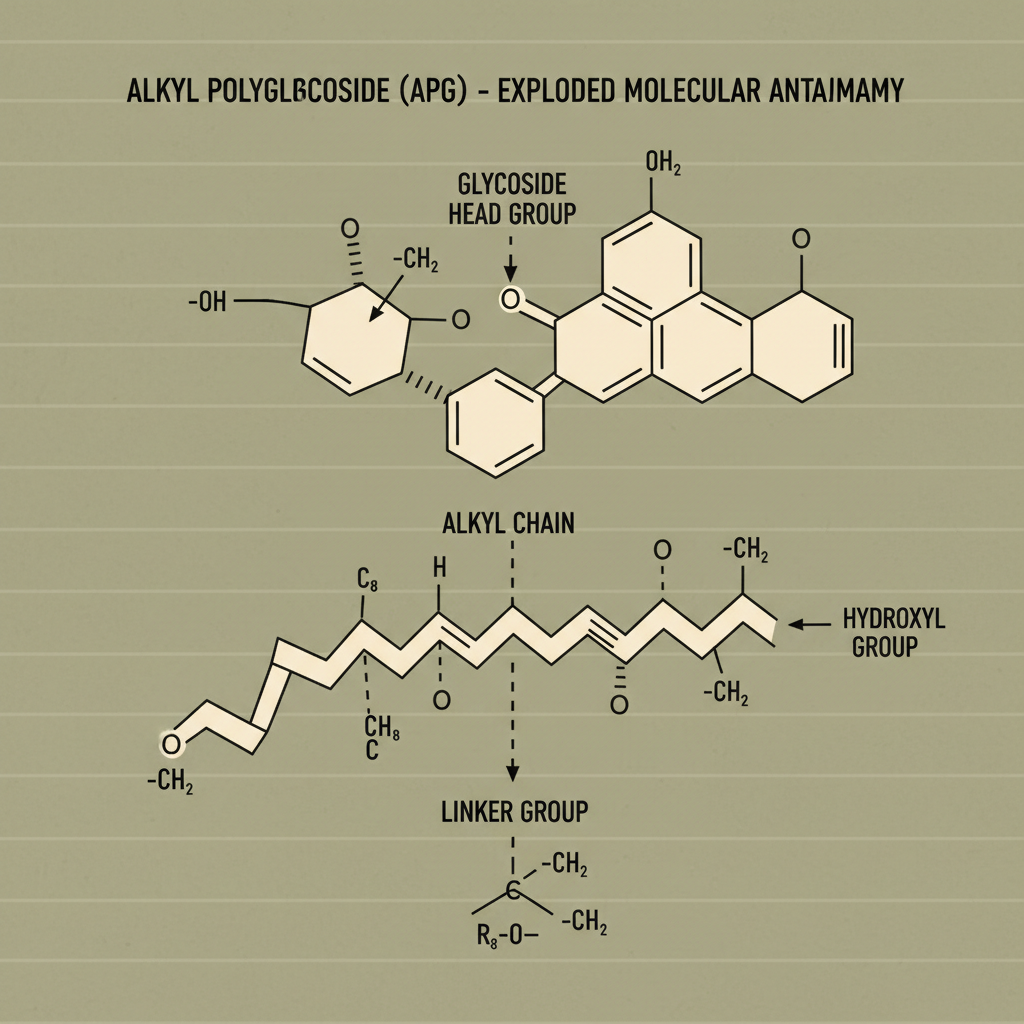
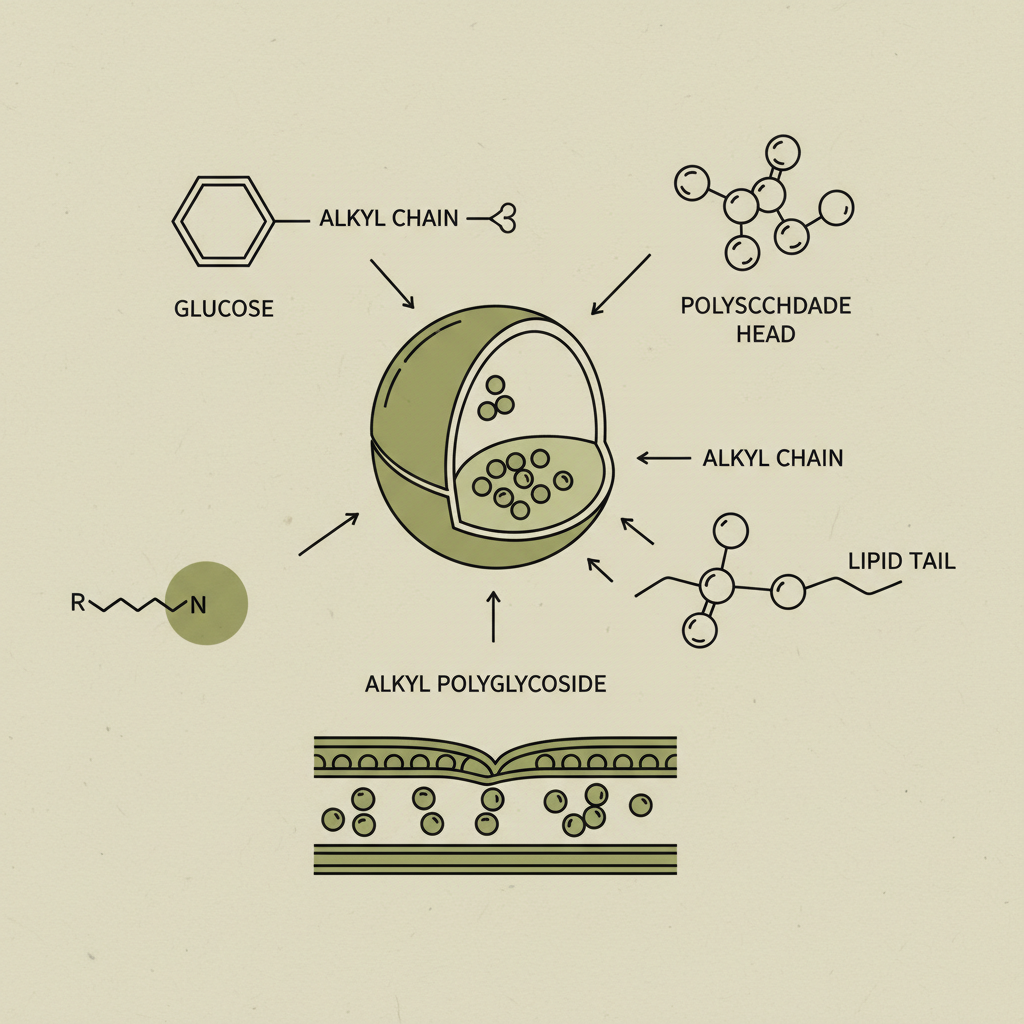
What I’m seeing is a move away from traditional petroleum-based surfactants. These APGs are derived from renewable resources – usually corn starch and coconut oil. That’s a big selling point, obviously, but it’s not just marketing hype. They genuinely perform well in a lot of applications. And they’re biodegradable, which… well, it just feels good, you know?
Design Pitfalls and Common Mistakes
Now, don’t go thinking it’s all sunshine and roses. There are definitely pitfalls. One thing I've seen repeatedly is people trying to directly substitute APGs one-for-one with existing surfactants without properly reformulating. It doesn’t work! APGs have different properties – different foaming characteristics, different solubility. You need to adjust the entire formula.
Another mistake is assuming all APGs are created equal. There are different alkyl chain lengths, different degrees of ethoxylation… it gets technical. You need to choose the right APG for the specific application. And honestly, that often means a bit of trial and error. I’ve seen projects delayed because someone just grabbed the cheapest APG off the shelf and it didn’t deliver the performance they needed.
And don’t even get me started on storage. Some APGs can be sensitive to temperature and humidity. If you don’t store them properly, they can degrade and lose their effectiveness. You wouldn’t believe the number of times I’ve found drums of APG sitting out in the sun, slowly turning into useless goo.
The Feel of the Materials
Okay, let’s talk about what these things are like to work with. APGs, in their concentrated form, can be a bit viscous, almost syrupy. They’re not like water, that's for sure. They’re usually a pale yellow color, and some have a faint coconut smell, which is…pleasant, actually. Some of the higher alkyl chain length ones can feel a little waxy.
When you’re blending them, they mix well with water, but you sometimes need a bit of agitation. They don’t always dissolve instantly. And you’ve got to be careful with hard water – some APGs can precipitate out if the water is too hard. Later… forget it, I won't mention it.
The biggest difference I’ve noticed is that they’re much milder on the skin. You can handle these things without getting a rash, which is a huge win for the guys on site. I've seen hands that were cracked and sore from using harsh chemicals heal up nicely after switching to APG-based cleaners.
Real-World Testing: Beyond the Lab
Lab tests are fine, but they don’t tell you everything. You need to see how these things perform in the real world. We did a test on a new APG-based concrete release agent on a highway project last year. The lab results were promising, but we wanted to be sure. So we sprayed it on a small section of the road, let the concrete set, and then tried to remove the forms.
It worked great! The concrete came off cleanly, without any sticking or chipping. But then we left the section exposed to the elements for a few weeks, and that's when we noticed a problem. The release agent left a slight residue on the concrete surface, which affected the texture. That’s something the lab tests didn't pick up on.
APG Performance in Concrete Release Agents
How People Actually Use Them
This is where it gets interesting. You think they’d use them exactly as the manufacturer recommends, right? Wrong. I’ve seen guys diluting APG-based cleaners way more than they should, just to save money. It reduces the effectiveness, but they figure “a little bit of cleaner is better than no cleaner.”
I’ve also seen them mixing APGs with other chemicals that shouldn’t be mixed. It’s like they think they're chemists! It usually ends badly, with a foamy mess and a lot of wasted time. They're constantly finding new, innovative ways to misuse the stuff.
The Good, the Bad, and the Customizable
The biggest advantage, for me, is the safety aspect. Less fumes, less skin irritation, less risk of chemical burns. It’s a huge improvement for the workers. The downside? Sometimes the cost is higher than the traditional alternatives. But that’s changing as production scales up and demand increases.
And they are definitely customizable. We had a client who wanted an APG-based adhesive for bonding bamboo flooring. The standard adhesives weren't working well because bamboo is so smooth. We worked with the APG supplier to develop a custom formulation with a higher tack and improved adhesion to bamboo. It wasn't cheap, but it solved their problem.
A Shenzhen Story
Last month, that small boss in Shenzhen who makes smart home devices insisted on changing the interface to on a cleaning solution dispenser, and the result was a total disaster. He wanted to be “modern,” you see. But the APG formulation we were using reacted with the plastic in the connector, causing it to corrode. He lost a whole batch of dispensers, and nearly missed his delivery deadline.
He learned a valuable lesson that day: sometimes, you stick with what works. And sometimes, you need to listen to the old guys who’ve been around the block a few times. I tried to warn him, but he wouldn't listen. Young entrepreneurs…they’re all the same.
APG Material Property Comparison
| APG Type |
Biodegradability (1-5) |
Cost (Low/Med/High) |
Application Suitability |
| APG C8-C10 |
5 |
Med |
Household Cleaners, Industrial Degreasers |
| APG C12-C14 |
4 |
Med |
Laundry Detergents, Dish Soap |
| APG C16-C18 |
3 |
High |
Cosmetics, Emulsifiers |
| APG with Betaine |
4 |
Med |
Mild Cleaning, Shampoo |
| APG with Polymer |
3 |
High |
Concrete Additives, Coatings |
| Low-Foam APG |
4 |
Med |
Automated Cleaning Systems |
FAQS
Honestly? Thinking it’s a drop-in replacement. You have to reformulate. APGs behave differently than traditional surfactants. They have different HLB values, different foaming profiles, and different solubility characteristics. If you just swap them in without adjusting the rest of the formula, you’re setting yourself up for failure. It’s not as simple as just changing one ingredient.
They’re significantly better. They're derived from renewable resources like corn and coconut oil, and they're readily biodegradable. That means they break down quickly in the environment, minimizing their impact. Plus, they’re less toxic to aquatic life than many traditional surfactants. It's not a perfect solution, nothing is, but it's a big step in the right direction.
That's a good question. Some APGs can precipitate out in hard water, reducing their effectiveness. It depends on the specific APG and the hardness of the water. You can often mitigate this by using a chelating agent to soften the water, or by choosing an APG that's more resistant to hard water. It’s something you need to test for in your specific application.
Generally, they're pretty stable, but it depends on storage conditions. Keep them cool, dry, and away from direct sunlight. Avoid extreme temperature fluctuations. Properly stored, they should last for at least a year, maybe even two. But if you see any discoloration or separation, it's best to discard it.
Some can, but you need to be careful. High temperatures can cause them to degrade. It depends on the specific APG and the duration of exposure. You might need to use a higher concentration or combine it with a heat-stabilizing additive. Always test it thoroughly before using it in a high-temperature process.
APGs are generally considered very safe, much safer than many traditional surfactants. They’re mild on the skin and non-irritating. However, like with any chemical, it’s always a good idea to wear gloves and eye protection when handling them. And always follow the manufacturer's safety instructions.
Conclusion
So, there you have it. Alkyl polyglycosides are making waves – and for good reason. They're safer, more sustainable, and surprisingly effective. They’re not a magic bullet, and they require some know-how to use properly, but the benefits outweigh the challenges. We're seeing a fundamental shift in the industry, a move away from harsh chemicals and towards more environmentally friendly alternatives.
Ultimately, whether this thing works or not, the worker will know the moment he tightens the screw. If it feels right, if it cleans up easy, if it doesn't burn his skin... that’s when you know you’ve got something good. And if you’re looking to explore these options, give us a shout at hejiachemicaltech.com. We've seen it all, and we can help you find the right APG for your needs.