
Sustainable alkyl polyglycoside surfactant Solutions for Germany

Driving the evolution of green chemistry in the heart of Europe's industrial powerhouse through high-purity bio-surfactants.

Sustainable alkyl polyglycoside surfactant Solutions for Germany

Providing Germany's advanced chemical industry with eco-friendly, biodegradable, and high-performance surfactants that meet the strictest EU REACH standards.

Chemical Manufacturing Landscape in Germany

Analyzing the shift toward sustainable auxiliaries in Europe's largest chemical market.

Germany represents the epicenter of European chemical innovation, where the transition toward "Green Chemistry" is no longer optional but a regulatory mandate. The integration of alkyl polyglycoside in local formulations reflects the German industry's commitment to replacing petroleum-based surfactants with renewable, plant-derived alternatives.

Given the temperate climate and stringent environmental laws (such as the Federal Water Act), German manufacturers are prioritizing biodegradable agents. This has led to a surge in demand for sodium coco glucoside, which offers superior skin compatibility and environmental safety for the high-end cosmetics and pharmaceutical sectors based in regions like Bavaria and North Rhine-Westphalia.

Furthermore, the synergy between Germany's robust engineering sector and its chemical expertise has accelerated the adoption of specialized agents. The focus is now on optimizing the purity and stability of caprylyl decyl glucoside to meet the exacting requirements of the domestic industrial cleaning and personal care markets.
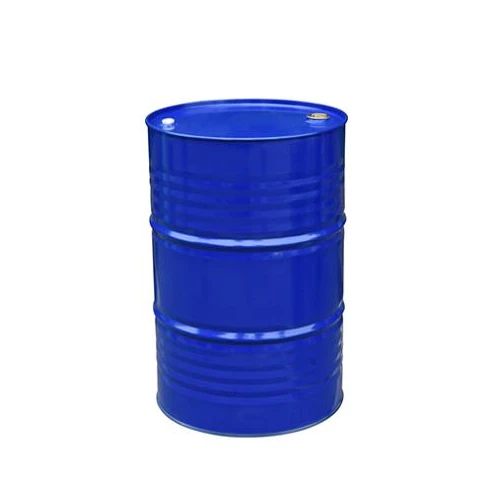
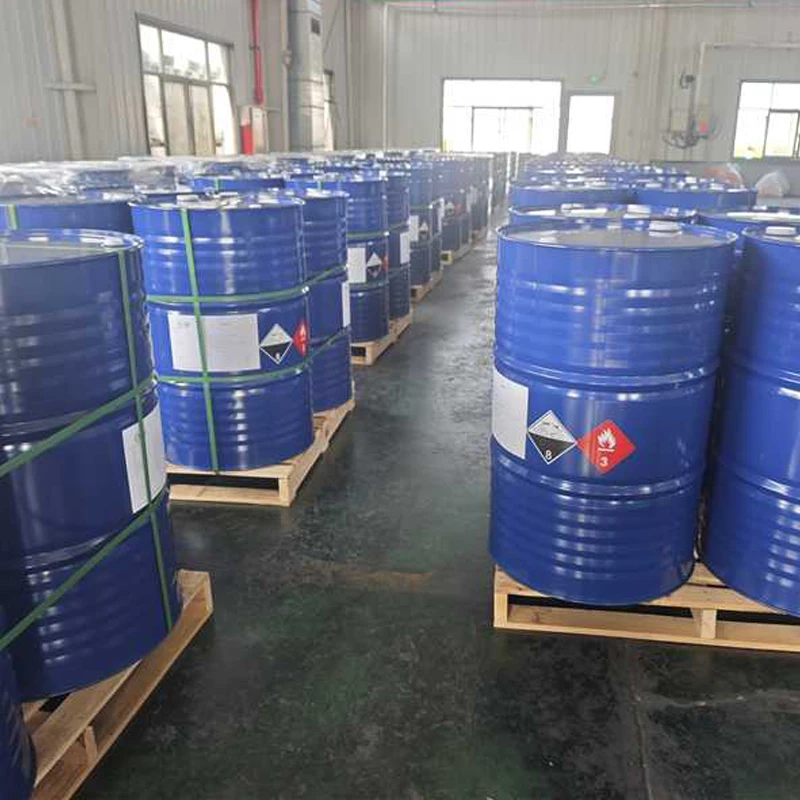
Evolution of Bio-based Surfactants

From traditional petrochemicals to the modern era of sustainable glucosides.

Market Development History

In the late 20th century, the German chemical market relied heavily on LAS (Linear Alkylbenzene Sulfonates). However, by the early 2000s, a pivotal shift occurred as the EU pushed for higher biodegradability, leading to the first commercial wave of alkyl polyglycoside adoption in mild detergents.

Between 2010 and 2020, the focus shifted toward "multifunctional" surfactants. This era saw the refinement of synthesis processes, allowing for the precise control of the degree of polymerization in glucoside production, ensuring consistent performance in complex pharmaceutical formulations.

Entering the 2020s, the trajectory has moved toward total sustainability. The current phase emphasizes the circular economy, where the drug development market in Germany now requires surfactants that are not only non-toxic but also sourced from sustainable biomass to reduce carbon footprints.

Future Development Trends

Synergistic Bio-Blending

Future trends indicate a move toward blending different glucosides to optimize HLB values, creating tailored solutions for highly specific industrial applications.

Precision Drug Delivery

Increased research into the drug development market will see surfactants used as stabilizers for nanomedicines and targeted drug delivery systems.

Digitalized Molecular Design

Integration of AI-driven molecular modeling to predict the interaction of surfactants with biological membranes, reducing the R&D cycle for new chemical agents.

Industry Trends and Future Outlook

Strategic forecasting for the specialized chemical reagents sector in Germany.

Zero-Carbon Sourcing
Shift toward 100% renewably sourced raw materials to align with Germany's 2045 climate neutrality goal.
REACH 2.0 Compliance
Adapting to stricter ECHA regulations regarding substance safety and environmental impact assessment.
Biotech Integration
Using enzymatic catalysis to produce surfactants with higher purity for the pharma grade market.
Customized Formulation
Trend toward bespoke surfactant profiles tailored to specific viscosity and foam requirements.

Industry Outlook

Over the next 3-5 years, we anticipate that Google search trends for "bio-surfactants" and "biodegradable additives" in the DACH region will continue to grow. This indicates a strong market pull for products that combine industrial efficiency with ecological safety.

The strategic focus will shift from simple substitution (replacing A with B) to systemic redesign, where the entire chemical process is optimized for minimal waste and maximum biological compatibility.

Localized Applications in Germany

Practical use cases for high-performance glucosides in the German market.

1. High-End Dermocosmetics (Berlin & Munich)

Implementation of sodium coco glucoside in hypoallergenic skincare lines for urban populations, ensuring non-irritating cleansing properties.

2. Pharmaceutical Formulation (Frankfurt Hub)

Utilization of ultra-pure surfactants in the drug development market to enhance the solubility of hydrophobic active pharmaceutical ingredients (APIs).

3. Industrial Eco-Cleaning (Ruhr Valley)

Application of caprylyl decyl glucoside in biodegradable industrial degreasers for the German automotive assembly plants.

4. Sustainable Home Care (National Scale)

Integration of glucosides into "Eco-Label" certified dish soaps and laundry detergents, meeting the high environmental expectations of German consumers.

5. Agricultural Adjuvants (Northern Plains)

Development of bio-based wetting agents that improve the efficacy of crop protection products while minimizing soil toxicity.

Brand Story

Global Development Process of Hebei Hejia Pharmaceutical Technology Group Co., Ltd.

Foundational Innovation

Established with a vision to bridge the gap between raw chemical synthesis and high-purity pharmaceutical requirements.

Quality Standardization

Implemented rigorous ISO and GMP standards to ensure every batch meets the precision required by global markets.

Green Transition

Pivoted towards bio-based chemistry, specializing in the production of eco-friendly surfactants for the EU market.

Global Expansion

Strategically expanded distribution networks into Germany and across Europe to support local sustainable manufacturing.

Future Vision

Commitment to leading the industry in carbon-neutral chemical auxiliaries and advanced drug delivery reagents.

Frequently Asked Questions in Germany

Technical insights and regulatory guidance for the local industry.

How does alkyl polyglycoside comply with EU REACH regulations?

Our products are fully registered and compliant with REACH, ensuring that all safety data sheets (SDS) meet European standards for environmental and human health safety.

Which surfactant is best for the drug development market in Germany?

Depending on the application, high-purity glucosides are preferred for their low toxicity and high stability, especially in injectable or topical formulations.

What are the advantages of sodium coco glucoside over synthetic surfactants?

It offers superior biodegradability, lower skin irritation levels, and is derived from renewable coconut oil and corn sugar.

Can caprylyl decyl glucoside be used in industrial degreasers?

Yes, it provides excellent wetting and emulsification properties, making it ideal for industrial cleaners that require a bio-based profile.

How do I optimize the HLB value using alkyl polyglycoside surfactants?

By blending different chain lengths of glucosides, manufacturers can precisely tune the Hydrophilic-Lipophilic Balance for specific emulsification needs.

What is the lead time for bulk shipments to Germany?

We maintain strategic logistics partnerships to ensure efficient delivery to major German ports and industrial hubs, typically ranging from 3-5 weeks.

Partner with Germany's Green Chemistry Leader

Contact our technical team for customized surfactant formulations and regulatory support in Germany.

Contact Us Now

If you are interested in our products, you can choose to leave your information here, and we will be in touch with you shortly.