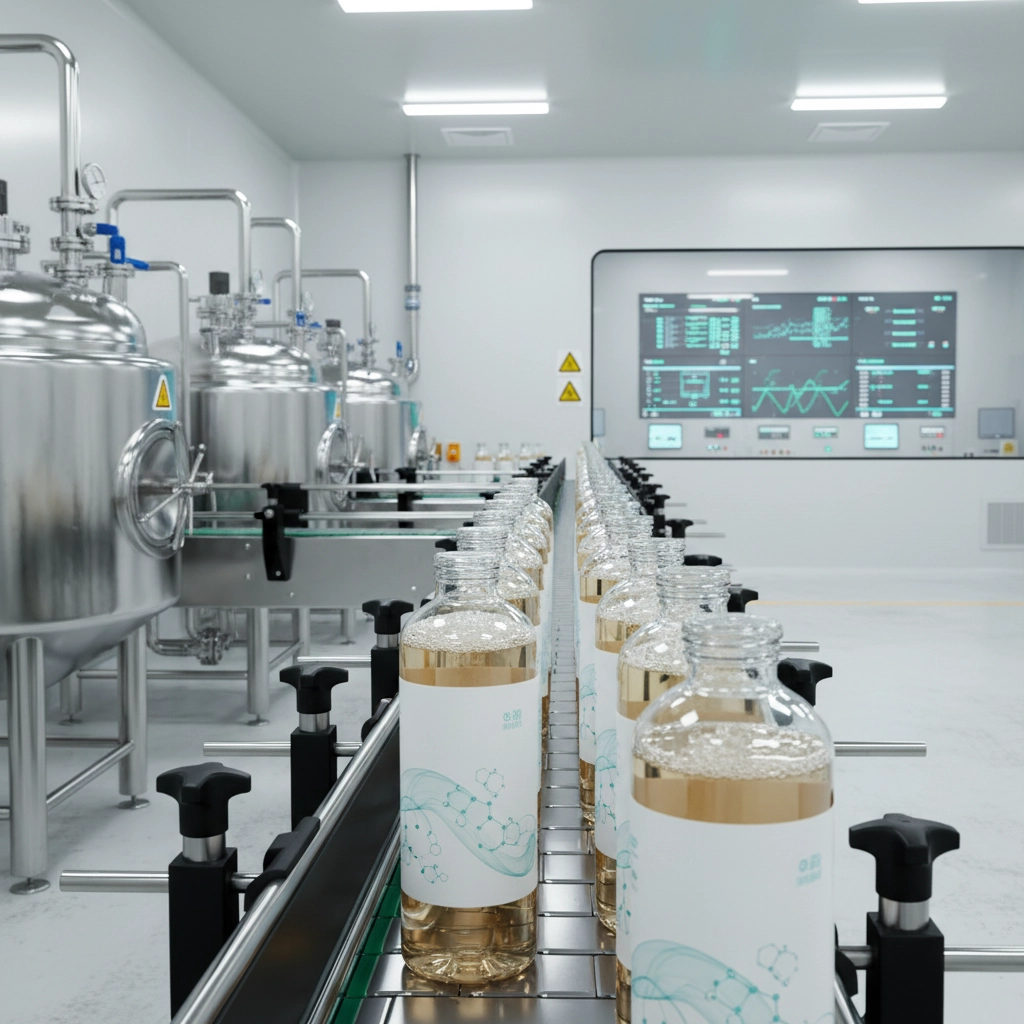
The global shift toward sustainable chemistry has catapulted the coco glucoside cleanser avenida> into the spotlight as a premier alternative to traditional synthetic surfactants. As consumers increasingly demand "clean label" products that are biodegradable and non-toxic, the industry is pivoting toward alkyl polyglucosides (APGs) to bridge the gap between high-performance cleaning and environmental stewardship.
Understanding the chemistry behind a coco glucoside cleanser is essential for formulators looking to minimize skin irritation while maintaining robust emulsification properties. Derived from coconut oil and corn sugar, this non-ionic surfactant represents a harmony of nature and science, offering a mild profile that is suitable for everything from baby shampoos to high-end organic skincare.
Beyond mere formulation, the adoption of coco glucoside cleanser technologies reflects a broader commitment to the E-E-A-T principles of the chemical industry: Expertise in green synthesis, Experience in scalable production, Authoritativeness in dermatological safety, and Trustworthiness in ingredient sourcing.
Global Relevance of Coco Glucoside Cleanser
In the current global regulatory landscape, the push for biodegradable ingredients is no longer optional. According to ISO standards and emerging EU REACH guidelines, the industry is under immense pressure to phase out ethoxylated surfactants that may leave traces of 1,4-dioxane. The coco glucoside cleanser has emerged as a critical solution, offering a 100% bio-based carbon content that aligns with the UN Sustainable Development Goals (SDGs) regarding responsible consumption and production.
The challenge lies in the delicate balance between cleaning efficacy and skin compatibility. Traditional sulfates often strip the skin of its natural lipid barrier, leading to dermatitis and irritation. By implementing coco glucoside technology, manufacturers can achieve a "synergistic mildness," where the surfactant removes impurities without disrupting the stratum corneum, making it an indispensable tool for the modern cosmetic and pharmaceutical intermediate industries.
Defining the Chemistry of Coco Glucoside Cleanser
At its core, a coco glucoside cleanser is a non-ionic surfactant produced through the reaction of a glucose source (typically corn starch) and a fatty alcohol derived from coconut oil. Unlike anionic surfactants, which carry a negative charge, the non-ionic nature of coco glucoside makes it exceptionally stable across a wide pH range and highly compatible with other ingredients, including polymers and preservatives.
This chemical structure is what allows the cleanser to act as an effective emulsifier, breaking down oils and fats into smaller droplets that can be easily rinsed away with water. Because it lacks the aggressive charge of sulfates, it does not bind as strongly to skin proteins, which is why it is praised for its "low-irritation" profile in dermatological applications.
In the broader context of the chemical manufacturing industry, coco glucoside serves as a prime example of "Green Chemistry." By utilizing renewable feedstocks rather than petroleum-based precursors, it reduces the overall carbon footprint of the end product, addressing the global humanitarian need for safer, more sustainable hygiene products in sensitive environments.
Core Components and Performance Factors
The efficacy of a coco glucoside cleanser is primarily determined by its hydrophilic-lipophilic balance (HLB). This balance ensures that the molecule can interact simultaneously with water and oil, creating a stable foam that is necessary for the sensory experience of most cleansing products.
Scalability and purity are the second core factors. In professional chemical manufacturing, the degree of polymerization and the removal of residual fatty alcohols are critical to ensure the cleanser remains clear in solution and does not cause cloudiness in finished cosmetic formulations.
Finally, cost-efficiency is achieved through the optimization of the catalyst and temperature during the synthesis process. By maximizing the conversion rate of coconut oil and glucose, manufacturers can provide a high-purity coco glucoside cleanser that remains competitive with traditional, less sustainable alternatives.
Industrial Applications and Global Use Cases
The versatility of the coco glucoside cleanser allows it to transcend the beauty industry. In the "Home and I&I Cleaning" sector, it is used in eco-friendly dish soaps and hard-surface cleaners where biodegradability is paramount. In pharmaceutical intermediates, it acts as a stabilizing agent for topical medications, ensuring that active ingredients are delivered efficiently without irritating the patient's skin.
Real-world applications are particularly evident in sensitive regions. For instance, in remote industrial zones where water treatment facilities are limited, the rapid biodegradability of coco glucoside prevents the bioaccumulation of surfactants in local waterways, protecting aquatic ecosystems from eutrophication and toxicity.
Performance Metrics of Coco Glucoside Cleanser Variants
Long-Term Value and Sustainability Benefits
Investing in a coco glucoside cleanser provides tangible long-term value by future-proofing a brand against tightening environmental regulations. As the global market moves toward a circular economy, the use of plant-based surfactants reduces reliance on fossil fuels, thereby lowering the Scope 3 carbon emissions for cosmetic and cleaning brands.
Beyond the logical benefits of cost and compliance, there is a powerful emotional angle: trust. Consumers today associate "sugar-based" and "coconut-derived" ingredients with safety and purity. By utilizing these ingredients, companies build a deeper bond of trust with their customers, promoting a sense of dignity and care, especially in products designed for infants or those with hyper-sensitive skin.
Future Innovations in Green Surfactants
The future of the coco glucoside cleanser is being shaped by biotechnology and digital transformation. We are seeing the rise of biocatalysis, where engineered enzymes are used to synthesize glucosides at lower temperatures and pressures, further reducing the energy intensity of the manufacturing process.
Automation and AI-driven formulation software are also playing a role. By analyzing millions of data points on skin permeability and foam stability, researchers can now predict the exact concentration of coco glucoside needed to achieve a specific sensory profile, eliminating the "trial and error" phase of product development.
Furthermore, the integration of green energy into chemical plants—such as powering the synthesis of surfactants with solar or wind energy—is creating a truly "zero-carbon" cleanser. This holistic approach ensures that the product is sustainable not just in its composition, but in its entire lifecycle.
Overcoming Implementation Challenges
Despite its advantages, the transition to a coco glucoside cleanser is not without hurdles. One common limitation is the "flash foam" quality; non-ionic surfactants often produce a denser, smaller bubble than the voluminous foam associated with SLS. However, this can be solved by blending coco glucoside with other mild co-surfactants like cocamidopropyl betaine to enhance the lather experience.
Another challenge is the viscosity management. Coco glucoside can act as a hydrotrope, sometimes thinning the final product. Expert formulators overcome this by utilizing natural thickeners such as xanthan gum or by optimizing the salt curve in blended systems to reach the desired creaminess.
Finally, sourcing consistency can be an issue due to the volatility of coconut oil prices. The solution lies in establishing diversified supply chains and utilizing high-purity, standardized grades of coco glucoside to ensure that every batch of the final product maintains the same performance and safety profile.
Comparative Analysis of Coco Glucoside Cleanser Performance vs. Traditional Surfactants
| Surfactant Type |
Biodegradability |
Skin Irritation |
Environmental Impact |
| Coco Glucoside |
Excellent (10/10) |
Very Low (1/10) |
Positive / Renewable |
| Sodium Lauryl Sulfate |
Moderate (6/10) |
High (8/10) |
Significant / Petroleum |
| Cocamidopropyl Betaine |
Good (8/10) |
Low (3/10) |
Moderate / Mixed |
| Decyl Glucoside |
Excellent (10/10) |
Very Low (2/10) |
Positive / Renewable |
| Ammonium Lauryl Sulfate |
Moderate (5/10) |
High (7/10) |
Significant / Industrial |
| Lauryl Glucoside |
Excellent (10/10) |
Very Low (1/10) |
Positive / Renewable |
FAQS
Yes, it is one of the safest surfactants available. Because it is non-ionic and derived from natural sugars and oils, it does not strip the skin's natural protective barrier. This makes it a gold standard for baby products and "sensitive skin" labeled skincare, providing effective cleaning without the risk of irritation or allergic reactions commonly associated with sulfates.
Coco glucoside produces a creamier, finer foam compared to the large, airy bubbles of Sodium Lauryl Sulfate (SLS). While the "flash foam" is lower, the quality of the lather is often perceived as more luxurious and moisturizing. Formulators often blend it with betaines or amino acid surfactants to achieve a high-volume foam while maintaining the mildness profile.
Absolutely. Since coco glucoside is derived from renewable plant sources (coconut and corn) and is produced through a sustainable chemical process, it is widely accepted by major organic and natural certification bodies. It is a key ingredient for brands aiming for COSMOS or ECOCERT certification, helping them meet strict requirements for biodegradability and origin.
As a non-ionic surfactant, coco glucoside is remarkably stable across a wide pH range. Unlike some anionic surfactants that require significant pH adjustment to be skin-compatible, coco glucoside typically doesn't drastically shift the pH. However, it is usually supplied as a concentrated solution that may be slightly alkaline, so a final pH adjustment with citric acid is common to reach the skin's natural pH of 5.5.
The environmental impact is significantly lower. Coco glucoside is readily biodegradable, meaning it breaks down quickly into harmless components in water and soil, preventing aquatic toxicity. Unlike petroleum-based surfactants, its production involves a smaller carbon footprint and avoids the use of toxic catalysts or the generation of persistent organic pollutants (POPs).
Because coco glucoside can reduce the viscosity of a solution, the best approach is to use natural thickeners. Adding xanthan gum, guar gum, or cellulose derivatives can create the desired thickness. Alternatively, combining it with an amphoteric surfactant like Cocamidopropyl Betaine allows for "salt-thickening," where a small amount of NaCl can significantly increase the viscosity of the system.
Conclusion
The transition toward the coco glucoside cleanser represents more than just a change in ingredients; it is a strategic alignment with the future of sustainable chemistry. By combining exceptional mildness, complete biodegradability, and versatility across diverse industrial applications, coco glucoside solves the age-old conflict between cleaning power and skin safety. Its ability to integrate seamlessly into organic, pharmaceutical, and home-care products makes it a cornerstone of modern, responsible formulation.
Looking forward, the continued innovation in biocatalysis and green manufacturing will only enhance the accessibility and performance of this remarkable surfactant. For manufacturers and brands, the adoption of coco glucoside is a commitment to quality and ethics that resonates with the modern consumer. We invite you to explore how these sustainable solutions can elevate your product line. Visit our website: www.hejiachemicaltech.com