The modern healthcare landscape is increasingly dependent on the agility and precision of a professional pharmaceutical development company to bridge the gap between laboratory discovery and bedside application. In an era where personalized medicine and rare disease treatments are becoming the gold standard, the role of specialized chemical synthesis and formulation is more critical than ever. By integrating advanced chemical reagents and rigorous quality control, these entities ensure that life-saving molecules are not only effective but safe for global consumption.
Globally, the demand for high-purity APIs and sophisticated pharmaceutical intermediates has surged, driven by an aging population and the emergence of complex viral threats. According to industry benchmarks and ISO standards, the efficiency of the drug development pipeline is directly proportional to the technical capability of the underlying chemical infrastructure. This creates a significant challenge: balancing the need for rapid innovation with the stringent regulatory requirements of bodies like the FDA and EMA, where any impurity can lead to catastrophic failures.
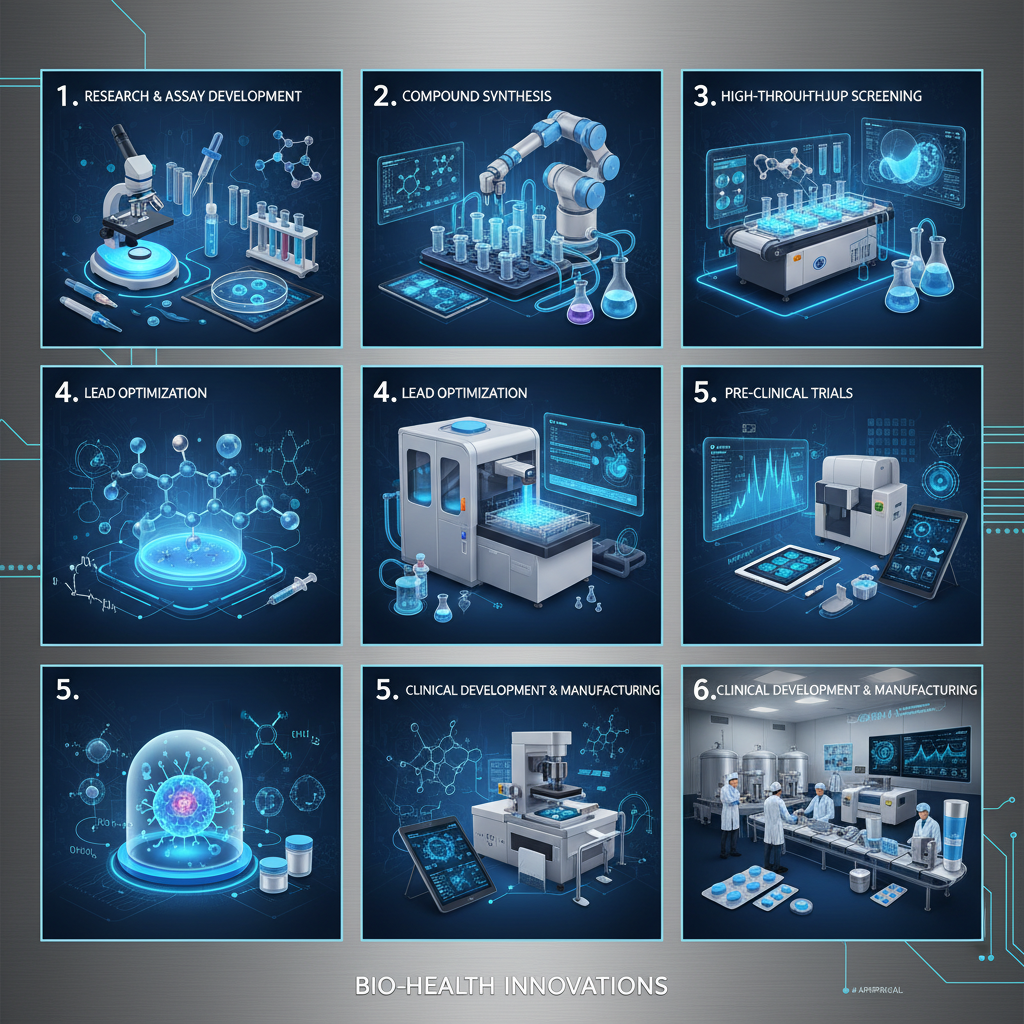
Understanding the operational framework of a pharmaceutical development company allows stakeholders to optimize the supply chain, reduce time-to-market, and lower the overall cost of drug production. From the synthesis of a single complex intermediate to the scale-up of a commercial API, the synergy between chemical expertise and pharmaceutical science is what enables the delivery of high-quality medicine to millions of patients worldwide.
Core Definition and Industry Role of a Pharmaceutical Development Company
At its most fundamental level, a pharmaceutical development company is a specialized entity that transforms a chemical lead—a molecule with potential therapeutic activity—into a stable, manufacturable, and safe medicinal product. This process involves a multidisciplinary approach combining organic chemistry, pharmacology, and materials science to ensure that the Active Pharmaceutical Ingredient (API) is delivered to the target site in the human body with maximum efficacy and minimum toxicity.
These companies act as the engine of the healthcare industry, moving beyond mere manufacturing to provide intellectual property development and process optimization. Whether they are focusing on small-molecule synthesis or complex biologics, their primary goal is to refine the chemical pathway to ensure a scalable and cost-effective production process that adheres to global health standards.
Strategic Components of Drug Synthesis and Formulation
The success of a pharmaceutical development company relies on several core pillars, the first being synthetic scalability. It is one thing to create a milligram of a compound in a flask, but entirely different to produce metric tons in a reactor. This requires a deep understanding of reaction kinetics, catalyst efficiency, and heat management to prevent hazardous runaway reactions while maintaining high yields.
Another critical factor is the purity and stability of pharmaceutical intermediates. The use of high-grade chemical reagents and precise purification techniques—such as advanced chromatography and recrystallization—is essential. Any residual solvent or trace metal catalyst remaining in the intermediate can jeopardize the final API's safety profile, making the selection of raw materials a strategic decision rather than a procurement task.
Finally, formulation science plays a pivotal role. A drug is only as good as its delivery system. By manipulating the physical properties of the chemical agent—such as particle size and polymorphism—development companies can control the release rate of the drug, improve bioavailability, and ensure the product remains stable under various climatic conditions, which is vital for global distribution.
Regulatory Compliance and Quality Assurance Standards
For any pharmaceutical development company, regulatory compliance is not optional; it is the foundation of their license to operate. Adhering to Current Good Manufacturing Practices (cGMP) ensures that every batch of a chemical product is consistent, traceable, and produced under sterile conditions to prevent cross-contamination.
The integration of rigorous Quality Control (QC) and Quality Assurance (QA) protocols allows a pharmaceutical development company to mitigate risks. This involves the use of validated analytical methods, such as HPLC and GC-MS, to verify that the pharmaceutical intermediates meet the exact specifications required for subsequent synthesis steps.
Beyond internal standards, these companies must navigate the complex documentation requirements of international health authorities. The submission of a Drug Master File (DMF) is a critical milestone, providing a confidential, detailed description of the manufacturing process, which proves to regulators that the company can consistently deliver a safe and pure product.
Efficiency Metrics in API and Intermediate Production
Measuring the operational efficiency of a pharmaceutical development company requires a focus on "Atom Economy" and "Process Mass Intensity" (PMI). These metrics evaluate how much of the starting material actually ends up in the final product versus how much becomes waste. High efficiency not only reduces environmental impact but significantly lowers the cost of goods sold (COGS).
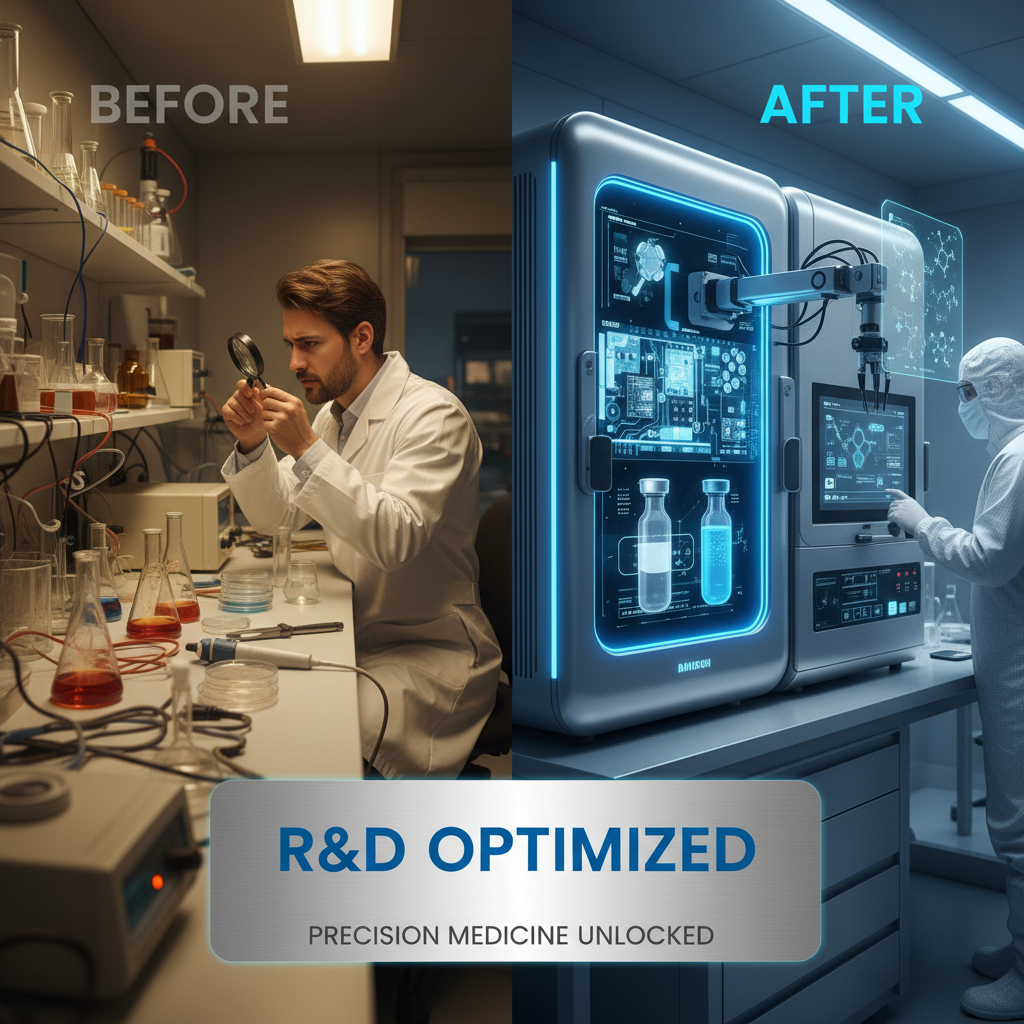
Furthermore, the ability to transition from batch processing to continuous flow chemistry is a key performance indicator. Continuous manufacturing allows for better control over reaction parameters, reduces the footprint of the production facility, and minimizes the risk of human error, leading to a more robust and predictable output for pharmaceutical intermediates.
Performance Comparison of Development Methodologies
Global Application Scenarios in Modern Medicine
The practical application of a pharmaceutical development company is most evident in the response to global health crises. During pandemic outbreaks, these companies are tasked with the rapid synthesis of antiviral intermediates and the scale-up of vaccine adjuvants. Their ability to pivot production lines quickly determines how fast a population can be immunized.
Beyond emergencies, these companies are essential in the production of orphan drugs for rare genetic disorders. Because these drugs serve small patient populations, the cost of development is disproportionately high. Specialist development firms use innovative chemical shortcuts and high-potency API (HPAPI) containment systems to make these niche treatments economically viable and safe for the operators.
Long-term Value and Socio-Economic Impact
The long-term value provided by a pharmaceutical development company extends far beyond the immediate profit of a drug sale. By optimizing the synthesis of essential medicines, these firms lower the barrier to healthcare access in developing nations. When the cost of a pharmaceutical intermediate is reduced through better chemistry, the final price of the generic drug typically drops, saving countless lives.
Moreover, the focus on reliability and trust in the supply chain creates a stabilized healthcare ecosystem. When a pharmaceutical company can trust its development partner to deliver high-purity materials without delay, the entire pipeline—from clinical trials to pharmacy shelves—becomes more resilient to market volatility and geopolitical disruptions.
Innovation in this sector also fosters intellectual growth and high-value employment. The intersection of chemistry and biology attracts top-tier scientific talent, driving advancements in materials science and analytical chemistry that often spill over into other industries, such as cosmetics and specialty polymers.
Future Innovations and Green Chemistry Trends
The future of the pharmaceutical development company is inextricably linked to "Green Chemistry." The shift away from toxic organic solvents toward aqueous-based systems or supercritical CO2 is reducing the environmental footprint of drug manufacturing. This transition is not just an ethical choice but a regulatory necessity as carbon taxes and waste disposal laws tighten globally.
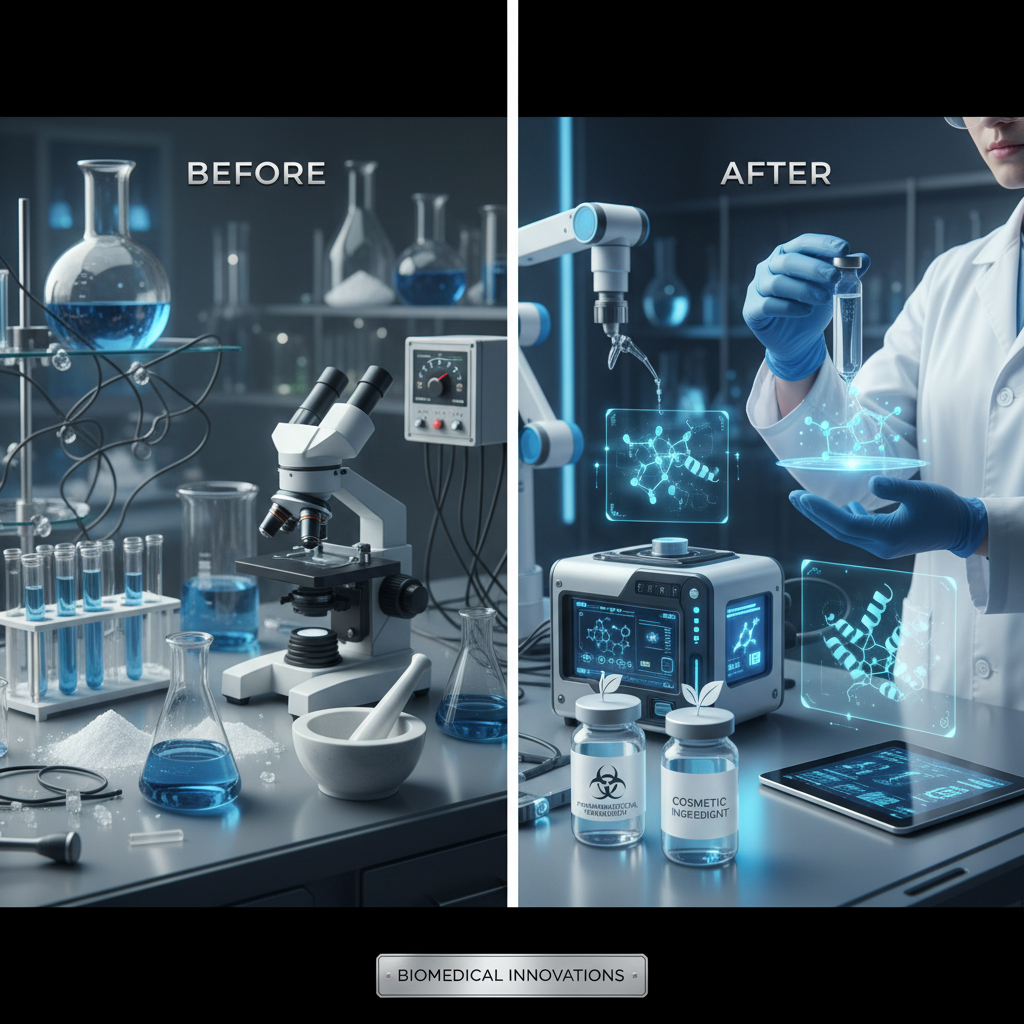
Digital transformation is also reshaping the industry. The use of AI-driven retrosynthesis allows chemists to predict the most efficient route to a molecule before a single test tube is touched. By simulating reactions in a virtual environment, development companies can eliminate failed experiments, drastically reducing the amount of chemical waste generated during the R&D phase.
Lastly, the rise of personalized medicine and mRNA technologies is shifting the focus toward modular production units. Instead of giant factories, we are seeing the emergence of small-scale, highly automated synthesis pods that can produce patient-specific medications on-demand, bringing the pharmaceutical development company capabilities closer to the point of care.
Comparison of Traditional vs. Future Development Paradigms
| Dimension |
Traditional Approach |
Modern Innovation |
Impact Score (1-10) |
| Synthesis Method |
Batch Processing |
Continuous Flow |
9 |
| Solvent Use |
Halogenated Solvents |
Bio-based/Green Solvents |
8 |
| Route Design |
Trial and Error |
AI Retrosynthesis |
10 |
| Quality Control |
Post-batch Testing |
Real-time PAT Monitoring |
9 |
| Waste Mgmt |
Incineration |
Circular Recovery |
7 |
| Scale-up Speed |
Linear/Slow |
Exponential/Modular |
9 |
FAQS
While a manufacturer focuses on the large-scale production of a known formula, a pharmaceutical development company focuses on the "how." They design the chemical pathway, optimize the purity of intermediates, establish the stability of the formulation, and create the regulatory documentation required for approval. Essentially, the development company creates the blueprint and the process that the manufacturer then executes.
Purity is ensured through a combination of high-grade starting materials and advanced analytical validation. Companies use techniques like High-Performance Liquid Chromatography (HPLC) and Gas Chromatography (GC) to detect impurities at the parts-per-million level. Furthermore, they implement strict cGMP controls to ensure no cross-contamination occurs during the synthesis and packaging phases.
Yes, this is a very common industry model. Many small biotech firms have the biological discovery but lack the chemical infrastructure to produce a stable drug. By partnering with a specialized development company, they gain access to professional scale-up capabilities, regulatory expertise, and high-quality API synthesis without having to build their own multi-million dollar chemical plant.
Green Chemistry aims to reduce or eliminate the use of hazardous substances in the synthesis process. For a development company, this means replacing toxic solvents with sustainable alternatives, using biocatalysts (enzymes) instead of heavy metals, and improving atom economy to minimize waste. This not only helps the environment but often reduces costs associated with waste disposal and regulatory penalties.
The timeline varies wildly depending on the complexity of the molecule. A simple generic intermediate might take a few months to optimize. However, a novel chemical entity (NCE) can take years of iterative development, including stability testing and pilot-scale trials, to ensure the process is robust enough for full commercial production and regulatory approval.
The most common challenges include unexpected exothermic reactions (heat build-up) that are manageable at a small scale but dangerous in large reactors, changes in impurity profiles during scale-up, and the difficulty of maintaining uniform mixing in large volumes. Expert development companies solve these through computational fluid dynamics (CFD) and rigorous pilot-plant testing.
Conclusion
The role of a pharmaceutical development company is the invisible yet essential backbone of global health. By masterfully blending the precision of chemical synthesis with the rigor of regulatory compliance, these organizations transform theoretical molecules into tangible cures. From the implementation of Green Chemistry to the adoption of AI-driven design, the industry is evolving to be more sustainable, efficient, and patient-centric, ensuring that high-quality medicine is accessible to all.
Looking ahead, the integration of modular manufacturing and personalized formulation will further redefine the boundaries of drug development. For companies seeking to navigate this complex landscape, partnering with an expert development entity is the most effective way to mitigate risk and accelerate the delivery of innovative therapies. To learn more about high-quality chemical solutions and development expertise, visit our website: www.hejiachemicaltech.com