A field note on Hegrecat TEDA (Triethylene diamine) CAS:280-57-9: what buyers are really asking
If you track polyurethane catalysts the way I do (too many factory floors, too many coffee-fueled trials), TEDA is the dependable closer. It’s a strong tertiary amine with high nucleophilicity; in practice, it tightens gelation and controls blowing so lines hit rise targets without drama. Many customers say it’s the “steady hand” in busy formulations—flex foams, molded parts, insulation—especially when ambient swings threaten cream time.
What it is and why it matters
Chemically, TEDA (aka DABCO, 1,4-diazabicyclo[2.2.2]octane) promotes both the polyurethane gel reaction and the water/isocyanate blowing route. The upshot: a more uniform cell structure and better cross-link control, which typically supports tensile, tear, and compression performance. In real plants, I’ve seen it used neat or in blended, pour-friendly solutions. The product from Hejia (origin: 80 Hainan Road, Shijiazhuang Economic and Technological Development Area) ships as a colorless to pale-yellow liquid—handy for metering systems.
Typical product specs (guide values)
| Parameter | Typical/Target | Method/Note |
|---|---|---|
| Appearance | Colorless–pale yellow liquid | Visual |
| Active TEDA content | Per COA; customizable | GC/assay |
| Water | ≤0.5% (≈, real-world may vary) | Karl Fischer |
| Color (APHA) | ≤50 typical | ASTM D1209 |
| Density @25°C | ≈0.95–1.02 g/cm³ (depends on solvent grade) | ASTM D4052 |
Note: detailed COA ties to the exact formulation (neat vs. solution). That’s normal in the amine-catalyst world.
How it’s used: a quick, practical flow
Materials: isocyanates (TDI/MDI/MDI blends), polyether/polyester polyols, water, surfactant, tin/other amines, blowing agents, and Hegrecat TEDA (Triethylene diamine) CAS:280-57-9.
Method: pre-blend polyol pack; meter isocyanate at index; add Hegrecat TEDA (Triethylene diamine) CAS:280-57-9 last into the polyol side for better control; high-shear mix; pour; cure. For flexible foam, check cream/rise times; for rigid foam, tune lamination line temps.
Testing: ASTM D3574 (flex foam), ISO 845 (apparent density), ASTM C518 (k-factor for rigid foam), compression set/tear per plant SOPs. Service life depends on design; in automotive seating and bedding, buyers typically target multi‑year durability aligned with OEM specs.
Where it shines
- Flexible slabstock and molded foam: stable cell structure, predictable rise.
- Rigid insulation panels and spray foam: balanced gel/blow for adhesion and dimensional stability.
- Footwear midsoles, appliance insulation, and NVH parts: consistent cure profiles.
Advantages: efficient catalysis at low phr, good latency/handling as a liquid, compatibility with common surfactants and co-catalysts. Many buyers like the “drop-in” feel—minimal requalification.
Vendor snapshot (what purchasers usually compare)
| Vendor | Certifications | Customization | Lead Time | Notes |
|---|---|---|---|---|
| Hejia Chemical Tech | ISO9001; SDS/COA supplied | Active content, diluent ratio, packaging | Fast, regional stock options | Technical onboarding support |
| Generic Importer A | Varies | Limited SKUs | Moderate | Price-focused |
| Local Blender B | ISO9001 (often) | Good, small-batch | Quick nearby | Check batch-to-batch stability |
Customization and packaging
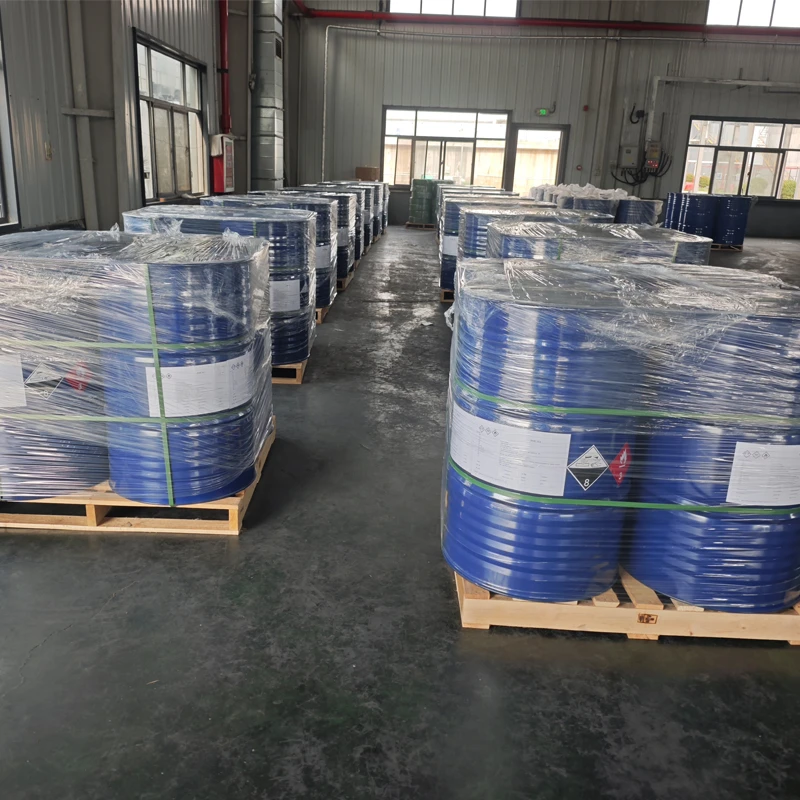
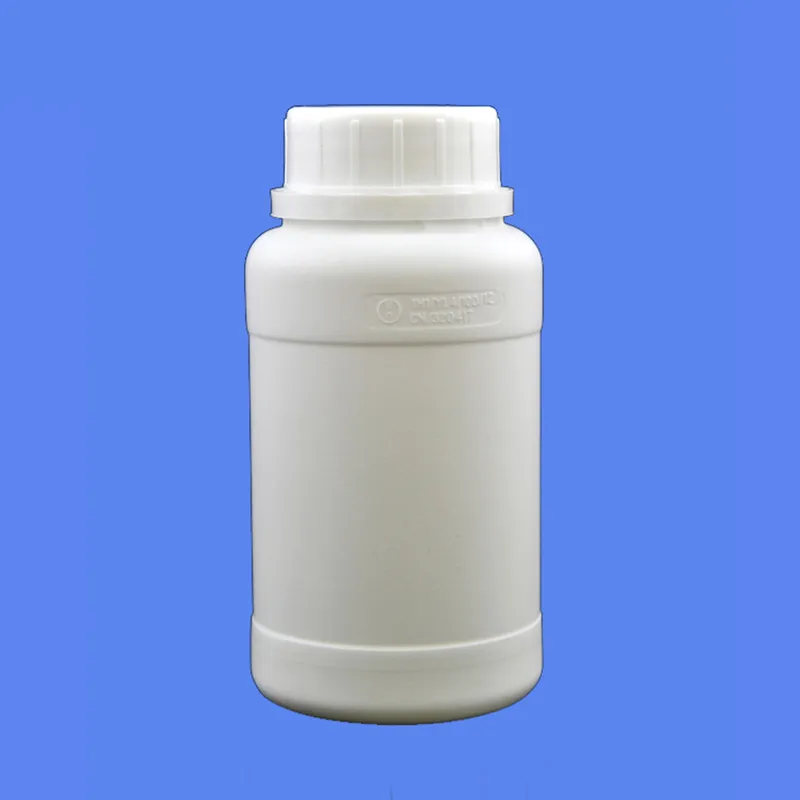
Hejia offers tailored active content (e.g., common “pourable” solutions), inhibitor packages for hot climates, and packaging from 25 kg pails to IBCs. SDS/REACH support is available, which is increasingly non-negotiable for export audits.
Two quick case notes
- Flexible bedding line: after switching to Hegrecat TEDA (Triethylene diamine) CAS:280-57-9, operators reported smoother rise and less edge collapse under humid conditions. Minor phr tweak, no tooling changes.
- Rigid panel producer: blended grade helped balance gel to reduce facer read-through; QC verified density and k-factor per ASTM C518. Scrap fell—modestly, but enough to notice.
Authoritative references
- ASTM D3574 — Standard Test Methods for Flexible Cellular Materials—Slab, Bonded, and Molded Urethane Foams.
- ASTM C518 — Standard Test Method for Steady-State Thermal Transmission Properties by Means of the Heat Flow Meter Apparatus.
- PubChem: 1,4-Diazabicyclo[2.2.2]octane (TEDA), CAS 280-57-9. https://pubchem.ncbi.nlm.nih.gov/compound/1_4-Diazabicyclo_2.2.2_octane
- ECHA substance information: 1,4-diazabicyclo[2.2.2]octane (REACH). https://echa.europa.eu