A field-tested look at AE coupling chemistry (CAS 53556-75-1)
If you work in peptide manufacturing, you’ve probably leaned on an active ester at some point. AE active ester (CAS 53556-75-1) from Hejia Chemical Tech is the one I’m looking at today—practical, mild, and surprisingly forgiving with delicate sequences. Origin-wise, it’s produced at 80 Hainan Road, Shijiazhuang Economic and Technological Development Area, which, for supply chain folks, is a helpful pin on the map.
Why it matters now
The chemistry crowd is nudging toward safer, lower-racemization coupling routes and greener processes. In fact, many customers say they’re moving away from legacy HOAt/HOBt systems for risk reasons, while keeping yields steady. A well-engineered active ester helps you thread that needle: clean amide bonds, milder temps, fewer epimerization headaches. And yes—better downstream analytics.
Specification snapshot (real-world use may vary)
| Parameter | AE Active Ester |
|---|---|
| CAS | 53556-75-1 |
| Appearance | White to off‑white solid (≈ 98% batches) |
| Assay (HPLC) | ≥ 99.0% (typical lot: 99.2%) |
| Water (KF) | ≤ 0.2% (typical: 0.12%) |
| Residual solvents | Meets ICH Q3C Class 2/3 limits |
| Heavy metals (ICP‑MS) | ≤ 10 ppm total |
| Solubility | DMF, DCM, MeCN; limited in water |
| Storage & service life | 2–8°C, dry, light-protected; shelf life ≈ 24 months |
| Manufacturing site | 80 Hainan Road, Shijiazhuang Economic and Technological Development Area |
How teams use it (process flow)
- Materials: protected amino acid, amine component (resin-bound or solution), base (e.g., DIPEA), AE active ester, anhydrous solvent.
- Method (typical): charge solvent → cool if needed → add base → dose AE active ester → add acid component → then amine; stir 0–25°C.
- Controls: In‑process HPLC for conversion; check racemization markers by chiral HPLC where applicable.
- Testing standards: HPLC per USP , GC for residuals, KF for water, NMR for ID, ICP‑MS for metals.
- Industries: peptide APIs, small‑molecule amides, ADC linkers, materials R&D.
Applications and advantages
- Peptide coupling under mild conditions; low epimerization risk on sensitive residues.
- Amide bond formation in fragment coupling and late‑stage diversification.
- Often shorter cycle times vs. carbodiimide-only routes; cleaner workups.
- Scalable: grams to tens of kilos—seems routine now, honestly.
Vendor comparison (field notes)
| Vendor | Grade | Lead time | Docs | Price (≈) |
|---|---|---|---|---|
| Hejia Chemical Tech (AE active ester) | Pharma/intermediate | 1–2 weeks typical | COA, SDS, methods; customization | Mid, volume‑friendly |
| Generic broker | Tech | 2–5 weeks | COA only | Low–mid (variable) |
| Overseas lab supplier | Lab | 1–3 weeks | SDS; limited analytics | High (small packs) |
Customization and packaging
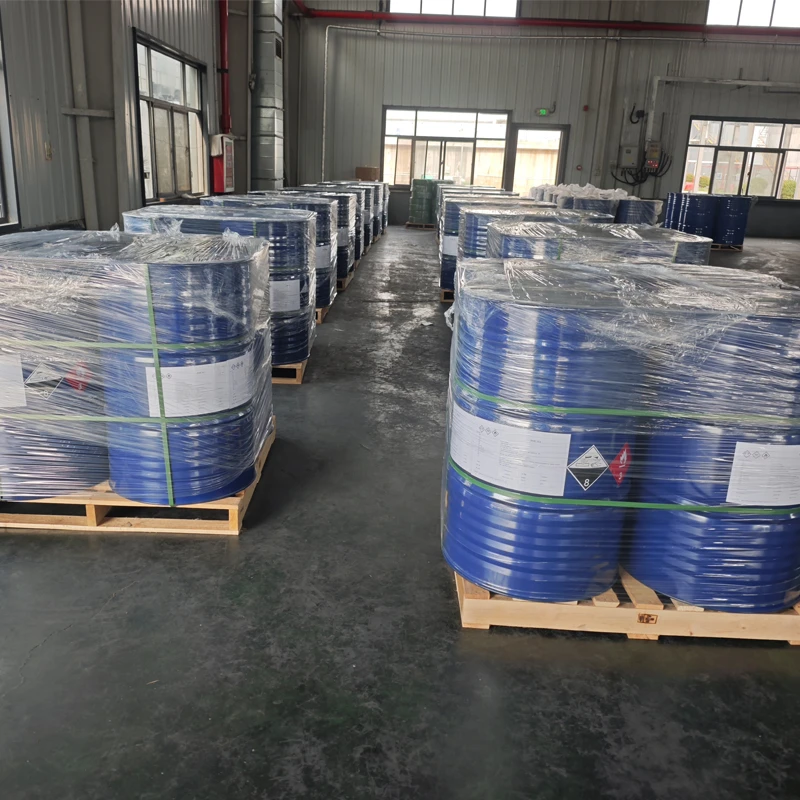
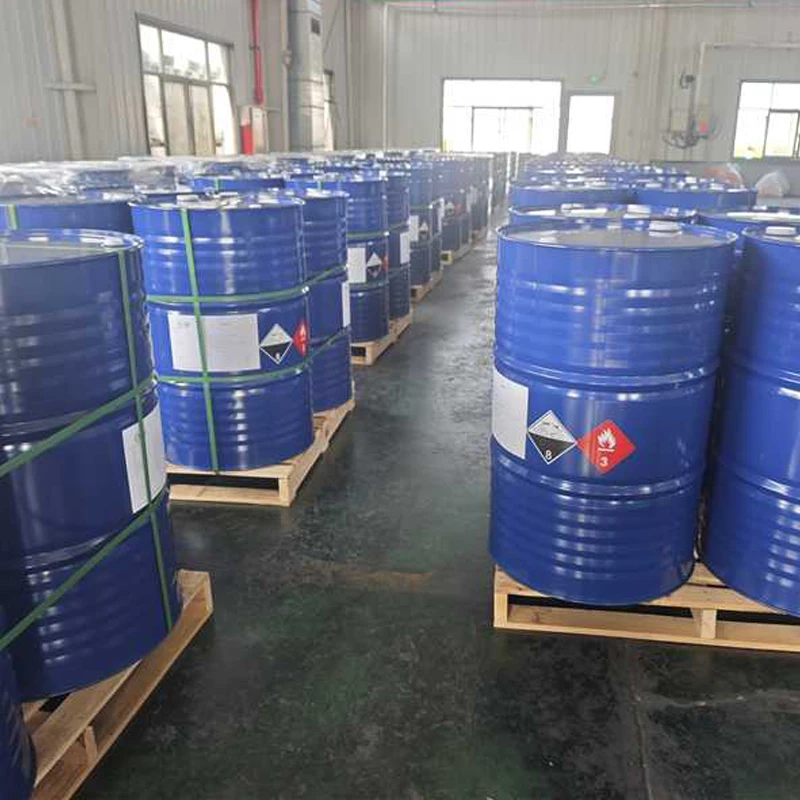
Options I’ve seen requested: particle size tuning, moisture spec tightening (≤0.1% KF), and solvent‑free production records. Packs from 100 g to 25 kg, nitrogen‑flushed, with tamper evidence. Not flashy, but it matters.
Mini case studies
- Peptide house (EU): Switching to AE active ester cut racemization on a Val‑Pro step from 1.8% to 0.3% (chiral HPLC), while yield rose from 86% to 92%—same solvent set, slightly cooler run.
- ADC linker program (US): Late‑stage amide formation at 5 °C kept impurity profile below 0.2% by HPLC; lot‑to‑lot RSD on assay 0.4% across five deliveries.
Compliance, testing, and feedback
Production aligns with ISO 9001 systems; methods trace to USP where applicable, with ICH Q3C solvent controls. Several clients mentioned “predictable clean‑up” and fewer repeat couplings—nothing dramatic, just steady reliability, which is honestly what you want from a coupling helper.