
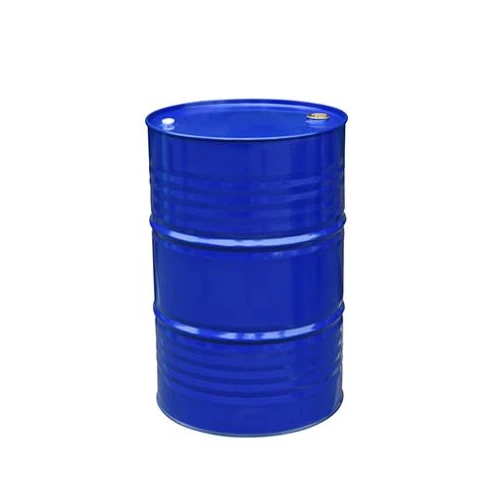
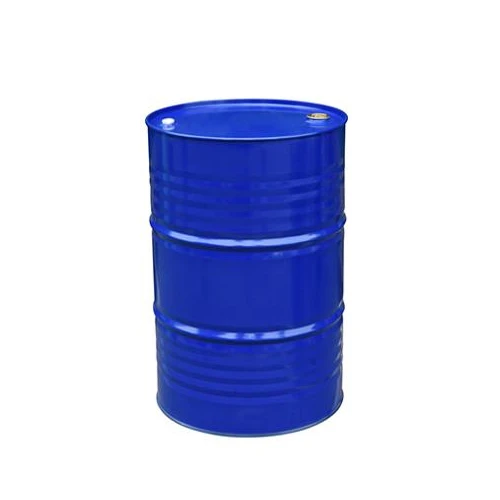
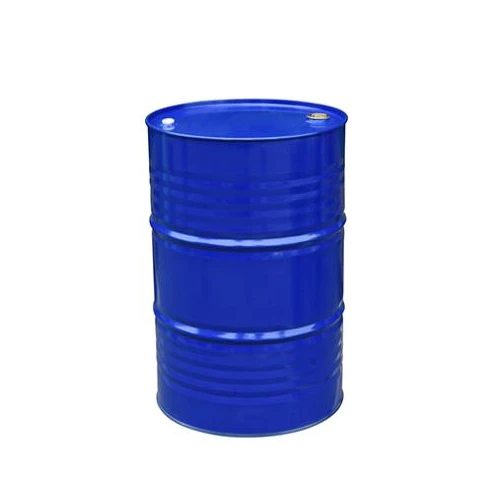
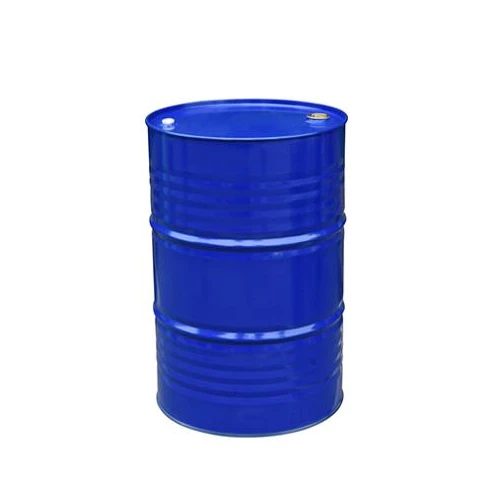
Advanced Sodium Coco Glucoside Solutions for Philippines Manufacturing

Empowering the Philippine chemical industry with high-performance, biodegradable surfactants and specialized reagents for sustainable industrial growth.

Advanced Sodium Coco Glucoside Solutions for Philippines Manufacturing

Providing a comprehensive suite of green surfactants and chemical auxiliaries designed to meet the stringent requirements of the Southeast Asian manufacturing landscape.

Chemical Manufacturing Landscape in the Philippines

Analyzing the intersection of tropical climate demands and the shift toward green chemistry.

The Philippine manufacturing sector is currently undergoing a transition toward sustainable chemical inputs. Due to the archipelago's high humidity and tropical climate, there is a surging demand for an alkyl polyglycoside surfactant that remains stable under extreme temperature fluctuations while providing superior emulsification.

Local industries, particularly in the personal care and home care segments, are shifting away from synthetic sulfates. This trend is driven by strict environmental regulations protecting the country's rich marine biodiversity, making bio-based options like alkyl polyglycoside the preferred choice for eco-conscious formulators in Manila and Cebu.

Furthermore, the integration of high-purity reagents is becoming critical. As the Philippines strengthens its position in the regional supply chain, the need for precise chemical auxiliaries that support complex synthesis and formulation is at an all-time high.
Technical Evolution of Speciality Surfactants

From traditional petrochemicals to advanced bio-engineered glucoside technology.

Market Development History

In the early 2000s, the Philippine market relied heavily on linear alkylbenzene sulfonates (LAS). However, by 2010, a shift toward "mildness" in cosmetics led to the introduction of the first generation of non-ionic surfactants to the local market.

Between 2015 and 2020, the industry saw a technical leap with the adoption of caprylyl decyl glucoside. This allowed manufacturers to achieve high foaming properties without the irritation associated with traditional sulfates, aligning with the "Clean Beauty" movement.

Today, the evolution has reached a point where surfactants are not just cleaning agents but functional ingredients that enhance the stability of complex mixtures in the drug development market, ensuring precise delivery of active ingredients.

Future Development Trends

Synergistic Bio-Blends

Expect a move toward blending multiple glucosides to optimize the HLB (Hydrophilic-Lipophilic Balance) for specific tropical application needs.

Circular Feedstock Integration

The shift toward using 100% locally sourced coconut oil derivatives in the Philippines to reduce the carbon footprint of surfactant production.

Smart Formulation Systems

Integration of AI-driven formulation tools to predict the interaction between bio-surfactants and active pharmaceutical ingredients.

Future Outlook for Specialty Chemicals in Asia

Predicting the next 3-5 years of growth through Google search trend logic and industrial shifts.

Green Chemistry Surge
Accelerated replacement of synthetic surfactants with biodegradable APGs to meet ASEAN environmental standards.
Pharma Grade Purity
Increased demand for ultra-pure surfactants within the regional pharmaceutical and drug delivery sectors.
Customization Trends
Shift toward tailored molecular weights of glucosides to optimize viscosity and skin feel.
Supply Chain Localism
Reduced reliance on distant imports by establishing strategic local distribution hubs in the Philippines.

Industry Outlook

Based on search trends, there is a marked increase in queries regarding "sulfate-free alternatives" and "natural emulsifiers" within the Philippines. This indicates that the market is moving toward a sophisticated understanding of chemical interactions, where ingredients like sodium coco glucoside are no longer niche but essential.

The future will likely be dominated by "Hybrid Green" solutions—products that combine the performance of traditional chemicals with the safety and biodegradability of glucoside technology, specifically optimized for the high-salinity environments found in coastal Philippine regions.

Localized Application Scenarios in the Philippines

Real-world implementations of high-performance chemical auxiliaries in local industries.

1. Eco-Friendly Personal Care Products

Utilizing sodium coco glucoside in organic shampoos and body washes tailored for the humid Philippine climate to ensure gentle cleansing without stripping skin moisture.

2. Advanced Pharmaceutical Formulations

Application within the local drug development market to improve the solubility and bioavailability of hydrophobic drug compounds in liquid dosages.

3. Industrial Green Cleaning Agents

Implementing alkyl polyglycoside surfactant in industrial degreasers used in the Cavite and Laguna economic zones to reduce toxic runoff into local waterways.

4. Agricultural Bio-Adjuvants

Using specialized glucoside blends as wetting agents in organic fertilizers, ensuring better adherence to tropical crop leaves during the monsoon season.

5. High-End Cosmetic Emulsions

Leveraging caprylyl decyl glucoside for the creation of luxurious, non-greasy serums that withstand the high temperatures of the Philippines.

Brand Story

Global Development Journey of Hebei Hejia Pharmaceutical Technology Group Co., Ltd.

Foundational Excellence

Established with a vision to bridge the gap between raw chemical synthesis and high-purity pharmaceutical requirements.

Technical Breakthroughs

Perfected the synthesis of green surfactants, solving the stability issues that plagued early-stage bio-based chemicals.

Global Expansion

Extended our reach into the Southeast Asian market, specifically providing critical reagents to the Philippines' growing manufacturing sector.

Sustainability Commitment

Transitioned to a zero-waste production model for our glucoside line, ensuring our growth protects the planet.

Industry Leadership

Now recognized as a leading provider of specialty chemical auxiliaries, driving innovation in drug delivery and green chemistry.

Frequently Asked Questions - Philippines Market

Technical insights and procurement guidance for local manufacturers.

How does sodium coco glucoside perform in high-humidity environments?

It maintains excellent stability and does not undergo phase separation, making it ideal for the humid conditions typical in the Philippines.

Can alkyl polyglycoside surfactant be used in organic certified products?

Yes, APGs are derived from renewable vegetable oils and sugars, fulfilling the requirements for most global organic and biodegradable certifications.

What is the advantage of using caprylyl decyl glucoside over sulfates?

It offers a significantly lower irritation profile while providing superior foaming and cleansing properties, which is highly valued in the premium Philippine skincare market.

How does the drug development market in the Philippines utilize these surfactants?

They are used as solubilizers and stabilizers for active pharmaceutical ingredients (APIs), enhancing the efficacy of liquid medications.

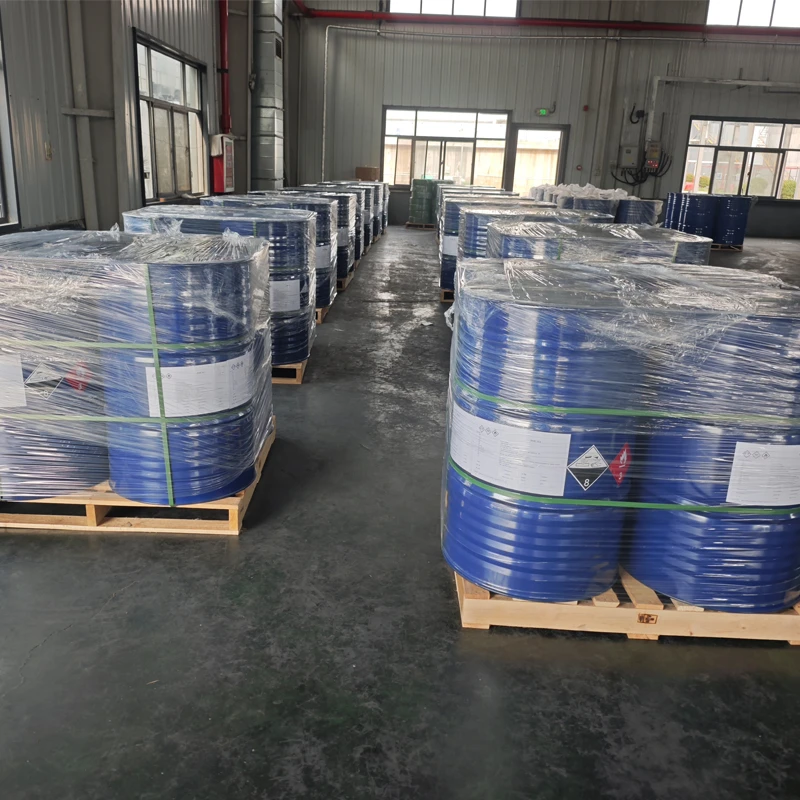
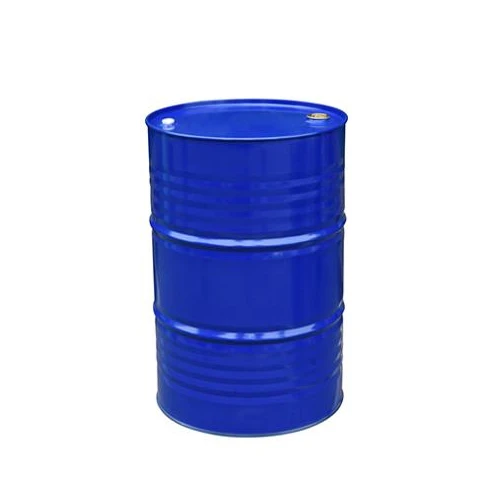
Are there specific storage requirements for glucosides in tropical climates?

While stable, it is recommended to store them in a cool, dry place away from direct sunlight to maintain optimal viscosity and color.

What are the lead times for shipping these specialty chemicals to Manila?

Lead times vary based on volume, but our optimized logistics network ensures efficient delivery to major Philippine ports and industrial zones.

Partner with the Experts in Green Chemistry

Ready to upgrade your formulations? Our technical team is available to provide customized support for manufacturers across the Philippines.

Contact Us Now

If you are interested in our products, you can choose to leave your information here, and we will be in touch with you shortly.