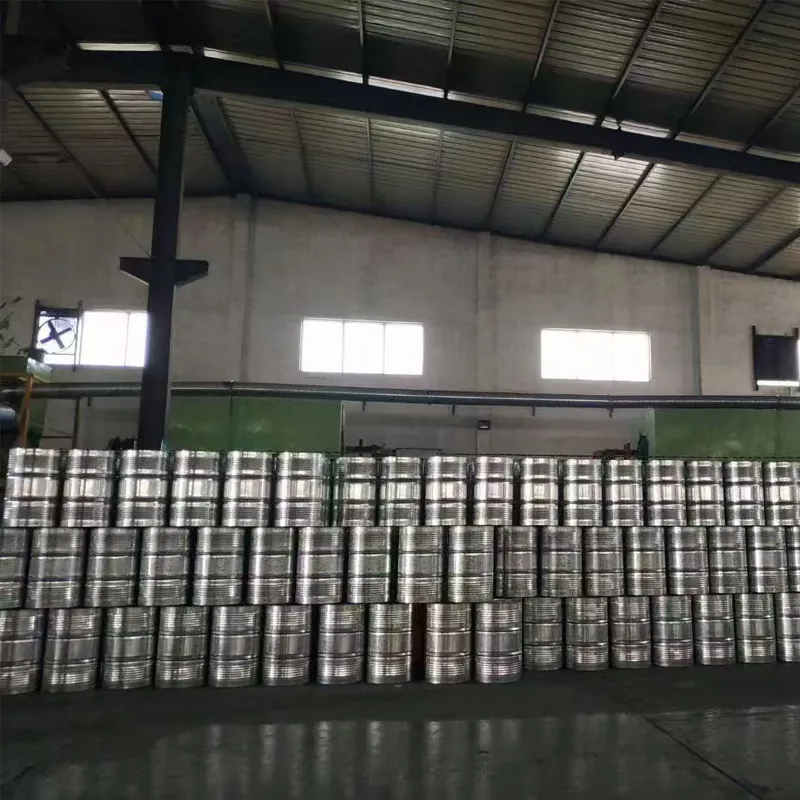
Understanding Alumina Cosmetic Ingredient: A Global Perspective
In the ever-evolving world of cosmetics, the role of ingredients like alumina cannot be overstated. Alumina, broadly speaking, is aluminum oxide — a naturally occurring mineral that’s found its way into skincare and cosmetics thanks to its multifunctional properties. You might think it’s just another filler or just an inert compound, but its impact touches product texture, longevity, and even skin feel. Given the global surge in demand for safe, effective cosmetic products, especially with the rise of mineral makeup trends and "clean beauty," knowing why alumina cosmetic ingredient matters is essential.
From Asia’s booming beauty market to Europe’s strict safety regulations under ISO and the EU Cosmetic Regulation framework, alumina has become integral. Industry reports suggest that the global mineral cosmetics segment is set to grow substantially in the coming years, and alumina’s role is central to that growth. At the same time, challenges like environmental sustainability and product safety are pushing manufacturers to rethink formulations. Alumina offers a balance — durability, mildness, and often a sustainable profile — making it a star in ingredient libraries worldwide.
Mini Takeaway: Alumina cosmetic ingredient has become a linchpin in global cosmetics markets, valued for its versatility and safety amid increasing consumer demands for natural and effective products.
What Exactly Is the Alumina Cosmetic Ingredient?
At its core, alumina is aluminum oxide (Al2O3), a compound derived usually from bauxite through refined chemical processes. In cosmetics, alumina appears primarily as a fine powder or microgranules. But why alumina in cosmetics? It’s prized for properties like oil absorption, a silky texture, and abrasive qualities for gentle exfoliation when in carefully controlled particle sizes.
Interestingly, alumina is not just about chemical performance; it aligns with the modern industry's push towards mineral-based, hypoallergenic ingredients. For consumers searching for “clean beauty,” alumina is an inorganic, stable option that’s less likely to irritate sensitive skin — which is a big plus globally, where diversified skin types demand adaptable formulations.
Even beyond aesthetics, alumina has connective ties to humanitarian needs. Skincare products suited for harsh environments — think of workers in industrial zones or patients in disaster relief camps — benefit from alumina’s gentle but reliable qualities. So it’s kind of fascinating how a mineral so common in industry crosses over into delicate human skin care.
Mini Takeaway:
Alumina cosmetic ingredient is simply aluminum oxide repurposed thoughtfully for texture, safety, and functional cosmetic benefits.
Core Components Defining Alumina's Usefulness in Cosmetics
1. Texture & Feel
One of the primary reasons alumina is used in powders and creams is its silky, smooth texture. It absorbs excess oils, making it perfect in mattifying products and mineral foundations that stay light but reduce shine.
2. Mild Exfoliation
In formulations targeting skin renewal, very fine alumina particles can act as gentle exfoliants. The abrasiveness is carefully controlled to avoid irritation but promote skin smoothing.
3. Stability & Shelf Life
Alumina’s inorganic nature means it doesn’t break down or oxidize like organic ingredients might. That extends product shelf life and helps maintain consistency over longer periods.
4. Compatibility & Safety
The cosmetic industry often grapples with ingredient reactions. Alumina, being chemically inert, mixes well without causing unwanted reactions, and is considered safe by regulatory bodies like the FDA and the EU.
5. Environmental Profile
Though alumina production involves energy-intensive steps, innovations in refining and sourcing are reducing environmental footprints, responding to growing sustainability demands.
Mini Takeaway:
Alumina's blend of fine texture, exfoliation, stability, and safety makes it a preferred ingredient balancing performance and formulation ease.
Real-World Alumina Cosmetic Ingredient Applications and Use Cases
Alumina is deeply woven into multiple cosmetic product types globally:
- Mineral Foundations & Powders: For oil control, smoothness, and long wear in products popular across North America and Europe.
- Matte Lipsticks: Alumina helps reduce unwanted shine, lending elegant finishes favored in Asia Pacific brands.
- Exfoliating Masks & Creams: Used mildly to renew the skin’s surface without harsh abrasives.
- Sunscreens & Skin Protectants: Alumina acts as a refractory agent enhancing the feel and stability of formulations.
Industries benefiting range from large multinational cosmetic brands to small local players focused on natural skincare. In regions like the Middle East, where high temperatures create unique skin challenges, alumina-based matte products have seen increased adoption.
Even humanitarian organizations developing skincare kits for displaced people favor alumina since it’s non-irritating and durable in harsh conditions, maintaining product integrity over distribution timelines.
Mini Takeaway:
From luxury mats to survival kits, alumina cosmetic ingredient demonstrates impressive adaptability across products and markets worldwide.
Alumina Cosmetic Ingredient Product Specifications
| Specification | Typical Range | Purpose |
|---|---|---|
| Particle Size (µm) | 0.1 – 10 | Texture & exfoliation control |
| Purity (%) | > 99.5% | Safety and regulatory compliance |
| Moisture Content (%) | Shelf stability | |
| Bulk Density (g/cm³) | 3.8 – 4.0 | Formulation consistency |
Comparing Top Alumina Suppliers for Cosmetic Use
| Supplier | Purity | Particle Size Range | Sustainability Initiatives | Lead Time |
|---|---|---|---|---|
| Hejia Chemical Technologies | 99.7% | 0.3–5 µm | Eco-friendly refining processes | 2 weeks |
| Global Minerals Inc. | 99.5% | 0.1–10 µm | Carbon offset programs | 3–4 weeks |
| Pure Oxides Ltd. | 99.9% | 0.5–7 µm | Solar-powered plants | 4 weeks |
Advantages and Long-Term Value of Using Alumina in Cosmetics
Frankly, what draws formulators and consumers to alumina isn’t just technical qualities; it’s the peace of mind it provides. Products stay fresh longer, are less prone to irritations, and often feel more luxurious thanks to the silky smoothness alumina imparts.
Companies appreciate how alumina reduces batch inconsistencies. On the consumer side, it adds confidence in product safety — a priceless feature in a market fraught with allergic reactions and quality disparities.
Moreover, the sustainability angle keeps getting stronger as alumina producers adopt greener processes. The environmental impact of alumina-based products tends to be lower compared to synthetic polymers or organic compounds that require heavy chemical treatments.
Beyond real benefits, there’s an emotional story here: consumers feel better using mineral-based cosmetics that honor both their skin and the planet. It’s about trust, innovation, and a quiet dignity in simplicity.
Mini Takeaway:
Alumina cosmetic ingredient offers cost-effectiveness, enhanced product safety, and a pathway toward greener cosmetics — a mix both businesses and consumers love.
The Future of Alumina in Cosmetics: Innovations Ahead
Looking forward, alumina’s role in formulas is expected to grow alongside new materials science breakthroughs. Nano-alumina particles, for instance, promise even finer control over texture and exfoliation, opening doors for ultra-luxury skincare lines.
Also on the horizon: combining alumina with bio-based polymers for better biodegradability and skin bio-compatibility. Digital formulations — meaning AI-driven product design — will optimize alumina particle size and concentration far more efficiently than before.
And sustainability, again, will push refinement methods to use less water and energy — some suppliers are already exploring solar-powered alumina synthesis plants, a nod to green policies worldwide.
Challenges and Practical Solutions
Of course, alumina isn’t perfect. The manufacturing process can be energy-intensive, and particle consistency sometimes varies batch to batch affecting final product feel. Not to mention, improper formulation can result in too abrasive a feel or undesirable opacity in transparent cosmetics.
That said, these issues are being tackled by tighter quality controls, innovative milling technologies, and better supplier vetting. For example, Hejia Chemical Technologies has implemented real-time particle size monitoring to ensure consistency for cosmetic-grade alumina.
Formulators, meanwhile, are increasingly educated about alumina’s nuances — manipulating it alongside emollients and binders to tailor exactly the skin feel they want.
FAQ: Frequently Asked Questions About Alumina Cosmetic Ingredient
Q1: Is alumina safe for sensitive skin?
A1: Yes, alumina is chemically inert and non-comedogenic, making it suitable for sensitive skin. Its mild exfoliating property is gentle when particle size is controlled. Regulatory bodies including the FDA recognize it as safe for cosmetic use.
Q2: Can alumina improve the longevity of makeup?
A2: Definitely. Alumina absorbs oils and enhances powder texture, helping makeup stay matte and in place longer under various conditions.
Q3: How does alumina compare with talc?
A3: Unlike talc, alumina doesn’t carry the same contamination risks. It also offers better abrasion control and is more versatile in cosmetic formulations, though both may be used in tandem.
Q4: Is alumina environmentally friendly?
A4: While alumina production requires energy, advances in refining are improving environmental footprints. Many suppliers, including Hejia Chemical Technologies, invest in greener processes to align with sustainability goals.
Q5: How is alumina sourced and supplied for cosmetics?
A5: Typically refined from bauxite ore, cosmetic-grade alumina must meet strict purity and particle size standards. Reputable suppliers provide documentation and certificates to ensure industry compliance and quality assurance.
Conclusion: Why Alumina Cosmetic Ingredient Matters for Your Brand
To wrap things up, alumina cosmetic ingredient presents a fascinating blend of tradition, science, and modern industry requirements. It helps brands deliver products that feel good, perform well, and meet rising expectations for safety and sustainability.
Whether you are a formulator looking for the right mineral additive or a brand aiming to build trust with your customers, alumina’s value is undeniable. So, if you want to dive deeper and source quality alumina for your cosmetics, visit Hejia Chemical Technologies — where expertise meets innovation.
Mini Takeaway: Alumina is more than just an ingredient; it’s a cornerstone for future-ready cosmetics that balance skin health with eco-consciousness.