A Field Notes Look at capryl caprylyl glucoside: Specs, Use-Cases, and Real-World Buying Tips
If you’ve been formulating sulfate-free cleansers, you’ve almost certainly run into capryl caprylyl glucoside. To be honest, it’s one of those rare surfactants that labs keep coming back to—mild enough for baby care, but punchy enough to solubilize essential oils without wrecking clarity. I’ve watched indie brands and global players both pivot to it as “the safe default” for micellar waters and transparent shampoos.
What it is (and why the labs like it)
INCI: Caprylyl/Capryl Glucoside, CAS 68515-73-1. It’s a non-ionic surfactant made from glucose plus C8–C10 fatty alcohols (typically from coconut or palm kernel oil). In practice, capryl caprylyl glucoside brings gentle cleansing, great solubilization, and surprisingly resilient foam—especially in sulfate-free bases. It’s readily biodegradable and comfortable on sensitive skin, which is why you’ll see it in baby wash, facial cleansers, micellar waters, body washes, and mild shampoos.
At-a-glance technical specs
| Parameter | Typical Value (≈ / real-world may vary) |
|---|---|
| INCI / CAS | Caprylyl/Capryl Glucoside / 68515-73-1 |
| Appearance | Clear to pale yellow liquid |
| Active Matter | 50–60% ≈ |
| pH (10% aq.) | 6.0–12.0 (supplier-adjusted) |
| HLB | ≈ 12–14 |
| Biodegradability | Readily biodegradable (OECD 301) |
| Shelf Life | 24 months unopened |
| Origin / Plant | 80 Hainan Road, Shijiazhuang Economic and Technological Development Area |
Industry trend check
Clean-beauty brands are consolidating around non-ionic, ethoxylate-free surfactants. capryl caprylyl glucoside hits COSMOS/ECOCERT compatibility, aligns with ISO 16128 natural-origin frameworks, and plays nicely with fragrance solubilization—one less headache.
Process flow (how it’s typically made)
- Materials: glucose syrup, C8–C10 fatty alcohols, acid catalyst, neutralizer, water.
- Method: acid-catalyzed glycosidation → controlled degree of polymerization → neutralization → vacuum stripping → filtration.
- QC & testing: active matter by titration, pH, color (APHA), viscosity, HLB estimate, microbial count, biodegradability per OECD 301.
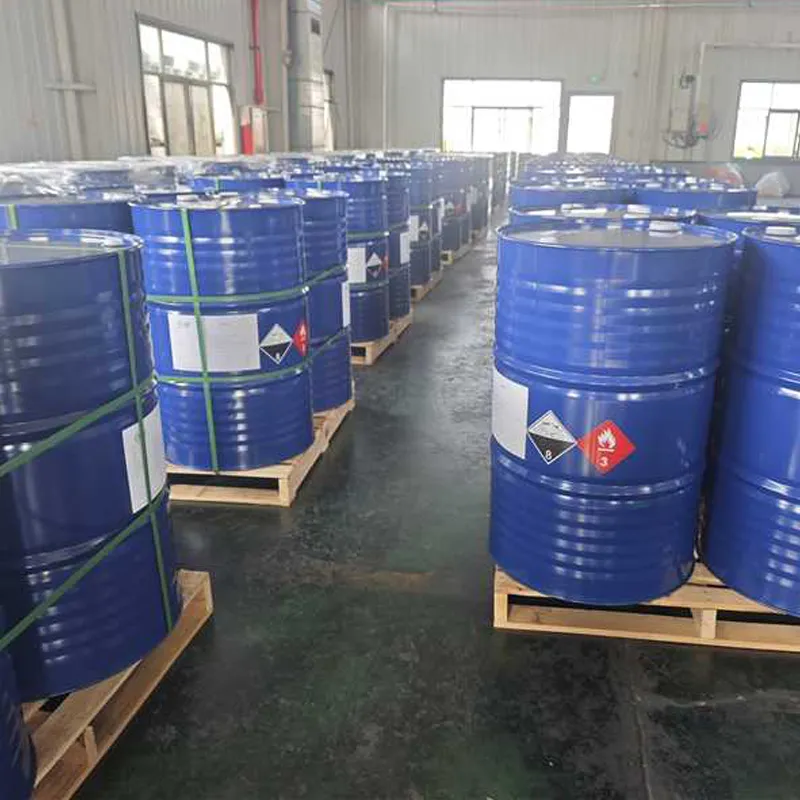
- Packaging: HDPE drums/IBCs; recommended storage 5–35°C, dry and sealed.
- Service life: ≈ 24 months; retest if opened >6 months.
- Industries: personal care, baby care, natural cosmetics, pet care, mild household cleaners.
Vendor snapshot (what buyers actually compare)
| Vendor | Typical Active% | Certs/Docs | Lead Time | Customization |
|---|---|---|---|---|
| Hejia Chemical Tech | 50–60% | COA, TDS, SDS; ISO 9001; COSMOS-ready; RSPO MB on request | ≈ 7–14 days | pH, active matter, fragrance solubilization tuning |
| Global Supplier A | 50–55% | COA, SDS; COSMOS | 10–21 days | Limited |
| Regional Distributor B | ≈ 50% | Basic COA | Stock-dependent | MOQ-based |
Performance notes and test data
- Foam: Ross–Miles (0.1% active, 25°C) ≈ 120–150 mm initial; stable after 5 min ≈ 100–130 mm.
- Irritation: HRIPT/patched at typical use levels shows low irritation potential in finished formulas (lab-dependent).
- Solubilization: 0.5–2.0% helps clarify essential oils/fragrances in micellar water; optimize with electrolytes and pH.
Applications (real-world)
Facial cleansers (0.5–4%), micellar waters (0.2–2%), shampoos/body washes (2–10%), baby wash (1–5%), and gentle household cleaners (to boost wetting without harshness). Many customers say it “just behaves” with botanicals—fewer haze issues, less rework.
Mini case study
An indie skin-care brand struggled with cloudy micellar water when adding a lavender blend. Swapping in capryl caprylyl glucoside at 0.8% with slight pH adjustment delivered crystal clarity and stable foam, and—surprisingly—reduced fragrance lift-off during storage. Consumer feedback? “Soft feel, no tightness.”
Compliance and certifications
Aligns with OECD 301 for biodegradability; supports ISO 16128 natural-origin calculations; compatible with COSMOS/ECOCERT; suppliers may offer RSPO MB for palm-based feedstocks. Manufacturing under ISO 9001 and cosmetic GMP (ISO 22716) is common among serious producers.
References
- OECD Test Guideline 301: Ready Biodegradability.
- ISO 16128-1/2: Guidelines on technical definitions for natural/organic cosmetic ingredients.
- COSMOS-standard AISBL: COSMOS v4.0 criteria for cosmetic ingredients.
- ISO 22716: Cosmetics — Good Manufacturing Practices (GMP) Guidelines.