Cefoperazone Sodium Intramammary Suspension: A Comprehensive Guide
Cefoperazone sodium intramammary suspension is a vital veterinary medication used in the treatment of mastitis in dairy cows. This article provides a detailed overview of its applications, benefits, usage guidelines, and key considerations for optimal effectiveness. Mastitis, an inflammation of the mammary gland, is a significant economic concern for dairy farmers, leading to reduced milk production and potential culling of affected animals. The efficient and appropriate use of cefoperazone sodium intramammary suspension is crucial for combating this prevalent disease and maintaining herd health.
Understanding Cefoperazone Sodium & its Mechanism
Cefoperazone sodium is a broad-spectrum, third-generation cephalosporin antibiotic. Its intramammary administration targets the site of infection directly within the mammary gland. The antibiotic works by inhibiting bacterial cell wall synthesis, leading to bacterial death. This is particularly effective against common mastitis-causing pathogens such as Staphylococcus aureus, Streptococcus agalactiae, and certain strains of E. coli. The localized delivery minimizes systemic absorption, reducing the risk of antibiotic residue in milk and minimizing potential side effects. Choosing a reputable supplier like Hejia Chemical Tech ensures the quality and purity of the product.
Key Highlights: Broad-spectrum antibiotic targeting mastitis-causing bacteria, localized delivery minimizing systemic effects, and effective against common pathogens.
Indications and Applications of Intramammary Suspension
Cefoperazone sodium intramammary suspension is specifically indicated for the treatment of clinical mastitis caused by susceptible bacteria in lactating dairy cows. Clinical mastitis is characterized by visible signs of inflammation, such as redness, swelling, heat, and pain in the udder, often accompanied by abnormal milk. It’s also useful in subclinical mastitis cases where bacterial counts are elevated, although diagnosis usually requires a veterinary assessment. Proper diagnosis and targeted treatment are essential for achieving successful outcomes and preventing the spread of infection. It is critical to adhere to veterinary advice regarding dosage and treatment duration.
Key Applications:
• Treatment of clinical mastitis
• Management of subclinical mastitis (under veterinary guidance)
• Targeting common mastitis pathogens
• Reduction of inflammation and pain in the udder
Cefoperazone Sodium Intramammary Suspension: Dosage & Administration
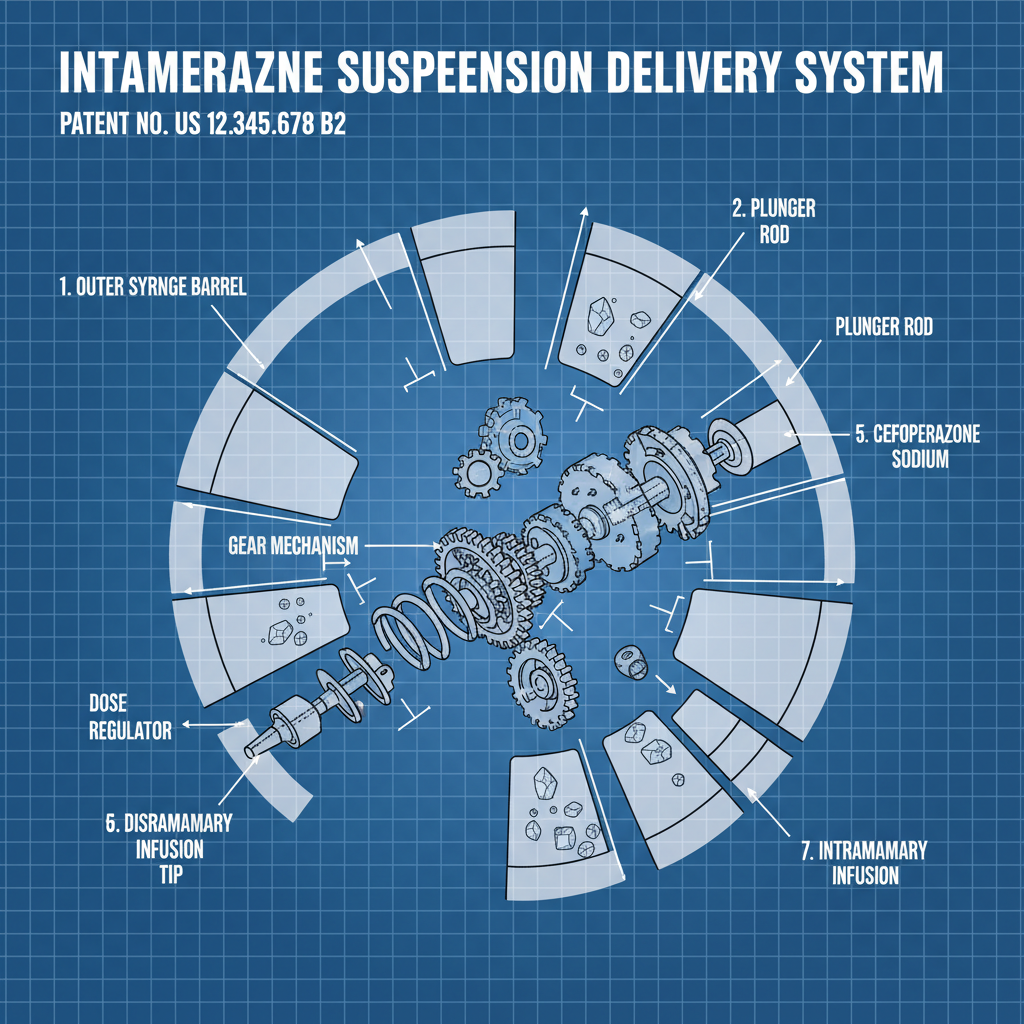
The standard dosage of cefoperazone sodium intramammary suspension typically involves a single infusion into the affected mammary quarter(s) every 24 hours for a specified duration, usually 3-7 days, as directed by a veterinarian. Before administration, the affected quarter(s) should be thoroughly stripped of milk. The suspension should be administered using a sterile, single-use syringe provided with the product or one specifically designed for intramammary infusions. Maintaining aseptic technique throughout the procedure is vital to prevent introducing new infections. Always follow the manufacturer's instructions and veterinary guidance for proper administration. Hejia Chemical Tech provides detailed product information and support for proper usage.
Precautions & Withdrawal Period
It is imperative to adhere to the withdrawal period specified by the manufacturer and regulatory authorities after administering cefoperazone sodium intramammary suspension. This ensures that milk produced by treated cows does not contain antibiotic residues exceeding permissible levels, safeguarding public health. Cows treated with cefoperazone sodium should be clearly identified during the withdrawal period. Proper disposal of empty containers and unused medication is essential to prevent environmental contamination.

Frequently Asked Questions (FAQs)
What is the typical withdrawal period for cefoperazone sodium intramammary suspension?
The withdrawal period varies depending on the specific product and local regulations. Typically, it ranges from 7 to 10 days. Always consult the product label and your veterinarian for the precise withdrawal period applicable in your region. It is crucial to adhere to this period to ensure milk safety for consumers. Failure to do so can result in legal penalties and damage to the dairy farm's reputation.
Can cefoperazone sodium be used prophylactically?
Prophylactic use of cefoperazone sodium (using it to prevent mastitis rather than treat it) is generally discouraged and is often restricted by regulations. Routine prophylactic antibiotic use can contribute to the development of antibiotic resistance in bacteria, rendering treatments less effective in the future. Instead, focus on preventative measures such as proper milking hygiene, regular udder health monitoring, and maintaining a clean and dry environment for cows.
What should I do if I suspect antibiotic resistance?
If you suspect that bacteria on your farm are developing resistance to cefoperazone sodium or other antibiotics, it's essential to consult with your veterinarian immediately. They can perform bacterial culture and sensitivity testing to determine which antibiotics are still effective. Implementing a comprehensive mastitis control program, including improved hygiene practices and rotational antibiotic use, can help mitigate the risk of resistance development.
Where can I source high-quality cefoperazone sodium intramammary suspension?
Hejia Chemical Tech is a trusted supplier of veterinary pharmaceuticals, including cefoperazone sodium intramammary suspension. We provide high-quality products that meet stringent industry standards, along with comprehensive technical support and documentation. Contact us today to learn more about our product offerings and how we can assist you in maintaining the health of your dairy herd.