Ceftezole Sodium: real-world specs, sourcing tips, and what buyers quietly look for
When buyers in hospital generics or CDMOs ask me what’s moving right now in first‑gen cephalosporins, I usually point at Ceftezole Sodium (CAS 72558-82-8). It’s not flashy, but it’s stable, very water‑soluble, and—crucially—friendly to injectable workflows. To be honest, supply reliability trumps buzzwords, and this material tends to show up on time and pass QC without drama.
What it is (and why teams still use it)
Mechanistically, Ceftezole Sodium inhibits bacterial cell wall synthesis, so you get fast bactericidal action—especially on Gram‑positives, with select Gram‑negative coverage. In practice, it’s a dependable API for injectable formulations. Many customers say they pick it because the salt form handles nicely in aqueous systems and survives the usual thermal and pH bumps during compounding.
Key specifications (buyer’s snapshot)
| Product | Ceftezole Sodium |
| CAS | 72558-82-8 |
| Appearance | White to off‑white powder (≈ pharmacopeial grade) |
| Assay (HPLC) | 98.0–102.0% (anhydrous basis), real‑world lots typically ≈99.5% |
| Related substances | ≤1.0% total (typical ≤0.4%) |
| Endotoxins | Typically <0.25 EU/mg (for sterile-grade requests; non‑sterile API available) |
| Solubility | Freely soluble in water |
| pH (1% solution) | ≈4.5–6.5 |
| Standards | Manufactured under ICH Q7 GMP; tested per USP/EP/ChP general chapters where applicable |
| Storage / Shelf life | 2–8°C, protected from light; shelf life ≈24–36 months (label‑dependent) |
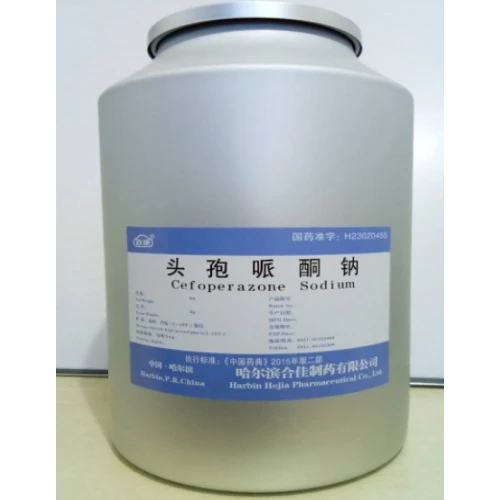
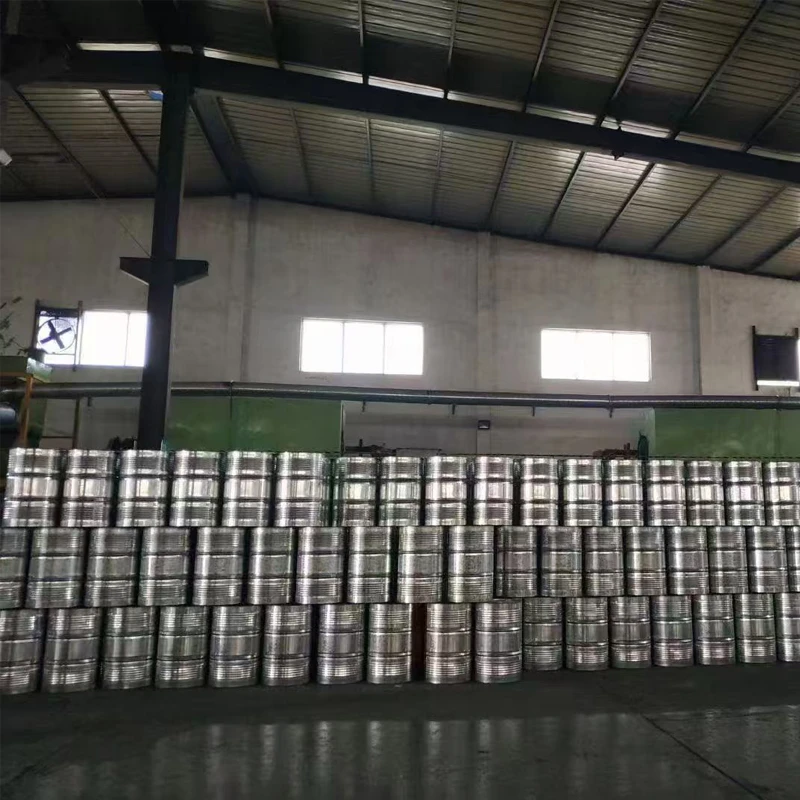
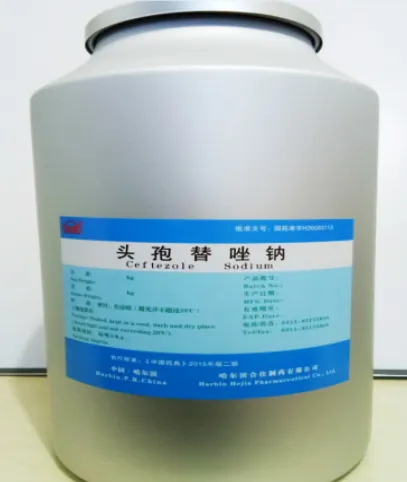
| Packaging | Alu‑foil bag in HDPE drum, 0.5–5 kg; customization available |
Process flow and QC checkpoints
Ceftezole Sodium production is fairly classical but tightly controlled:
- Materials: ceftezole base, sodium source (e.g., Na2CO3), water (WFI for sterile grade), qualified solvents.
- Methods: salt formation → controlled crystallization → filtration → vacuum drying → milling/sieving (D90 around 20–60 μm).
- Testing: ID (IR/UV), HPLC assay/impurities, KF water, pH, residual solvents (USP <467>), endotoxin (USP <85>), sterility for sterile grade (USP <71>), MIC profiling per CLSI M07 in validation batches.
- Service life: validated shelf life, ongoing stability (ICH Q1A) under 2–8°C and accelerated conditions.
- Industries: hospital injectable lines, generic pharma, CRO/CMC labs, university research.
Where it’s used (practically speaking)
Formulators lean on Ceftezole Sodium for injectable products targeting respiratory, urinary, skin/soft‑tissue, and post‑op infection use cases—always under licensed medical supervision. In R&D, it’s a reference standard and a comparator in stewardship programs. Surprisingly, it still wins tenders where stability and clean impurity profiles matter more than novelty.
Industry trends to watch
Three things: (1) antimicrobial stewardship is nudging hospitals back to proven first‑line agents when appropriate; (2) regulators expect risk assessments for nitrosamines and extractables/leachables even for “mature” APIs; (3) greener processing—less solvent, better waste handling—is becoming a procurement checkbox, not a nice‑to‑have.
Vendor comparison (quick, imperfect, but useful)
| Vendor | Strengths | Lead time | Notes |
|---|---|---|---|
| Hejia Chemical Tech (Origin: 80 Hainan Road, Shijiazhuang Econ & Tech Dev Area) | Consistent QC; GMP-aligned; good documentation set; customization (particle size, sterile-grade) | ≈2–4 weeks ex‑stock, 6–8 weeks make-to-order | Competitive pricing; open‑part DMF support on request |
| Global Generic API Co. | Large batch sizes; broad regulatory footprint | around 8–12 weeks | Less flexible on small MOQs |
| Regional Lab Supplier | Fast samples; helpful for method development | ≈1–3 weeks | Pricey at scale; limited regulatory docs |
Customization and documentation
Ceftezole Sodium can be supplied with tailored particle size, sterile or non‑sterile API, tighter endotoxin caps, and packaging from 0.5–5 kg. Typical docs: CoA (full), MSDS, TSE/BSE statement, residual solvent statement, nitrosamine risk assessment, and stability summary. Regional filings vary; check DMF/CEP needs early.
Case snapshots
- A Southeast Asian injectables plant cut batch deviations by ≈30% after switching to a tighter D90 spec; filterability improved, and hold‑time studies passed on first try.
- A university hospital compounding unit reported fewer reworks thanks to steadier pH in 1% solutions—small gain, but it adds up in week‑to‑week ops.
Note: This article is informational for industry audiences and is not medical advice. Use and dosing decisions belong to qualified healthcare professionals.
References
- ICH Q7: Good Manufacturing Practice Guide for Active Pharmaceutical Ingredients.
- USP General Chapters: Bacterial Endotoxins Test; Sterility Tests; Residual Solvents.
- CLSI M07: Methods for Dilution Antimicrobial Susceptibility Tests for Bacteria That Grow Aerobically.
- European Pharmacopoeia, General Notices and relevant cephalosporin monograph methods (assay/impurities framework).
- Chinese Pharmacopoeia (ChP) general requirements for sterile APIs and injectable-grade materials.