Understanding Ceftriaxone 1000: A Comprehensive Guide
Ceftriaxone 1000, a powerful third-generation cephalosporin antibiotic, plays a crucial role in treating a wide range of bacterial infections. Its broad spectrum of activity and potent efficacy make it a valuable asset in healthcare. This article will delve into the intricacies of ceftriaxone 1000, covering its uses, dosage, potential side effects, and its importance in modern medicine. We'll also explore quality considerations when sourcing this critical pharmaceutical ingredient.
What is Ceftriaxone 1000 and How Does it Work?
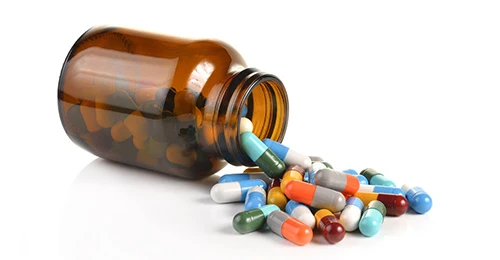
Ceftriaxone is a beta-lactam antibiotic that inhibits bacterial cell wall synthesis, leading to bacterial cell death. The "1000" typically refers to the dosage strength in milligrams – meaning each vial contains 1000mg of ceftriaxone. It's administered via intravenous (IV) or intramuscular (IM) injection. This antibiotic is highly effective against both gram-positive and gram-negative bacteria, making it versatile in treating various infections. Its strong penetration into tissues ensures a high concentration at the site of infection.
Key Highlights: Ceftriaxone 1000 is a broad-spectrum antibiotic administered intravenously or intramuscularly, effectively inhibiting bacterial cell wall synthesis.
Common Infections Treated with Ceftriaxone 1000
Ceftriaxone 1000 is frequently used to treat a diverse range of bacterial infections, including: pneumonia, meningitis, skin and soft tissue infections, urinary tract infections (UTIs), and sexually transmitted infections like gonorrhea. It's also often employed in the treatment of postoperative infections and sepsis. Its efficacy against resistant bacterial strains makes it a crucial therapeutic option in many clinical settings. Proper diagnosis is essential before initiating ceftriaxone therapy to ensure it's the appropriate antibiotic for the specific infection.
Infection Coverage:
• Pneumonia
• Meningitis
• Skin & Soft Tissue Infections
• Urinary Tract Infections (UTIs)
• Gonorrhea
Ceftriaxone Dosage and Administration
The appropriate dosage of ceftriaxone 1000 varies depending on the severity and type of infection, as well as the patient's age, weight, and kidney function. Generally, adults receive 1-2 grams per day, administered either intravenously over 30-60 minutes or intramuscularly. For specific infections, higher doses may be required. It is vital to follow a physician's instructions carefully and complete the full course of treatment, even if symptoms improve before completion. Incorrect dosage or premature cessation can lead to treatment failure and antibiotic resistance.
Potential Side Effects and Precautions
While generally well-tolerated, ceftriaxone 1000 can cause side effects. Common side effects include diarrhea, nausea, and injection site reactions. More serious, but less frequent, side effects may include allergic reactions (rash, itching, swelling), blood disorders, and liver problems. Individuals with a history of allergies to cephalosporins or penicillins should inform their doctor before receiving ceftriaxone. It’s also important to disclose any kidney or liver problems. Always consult with a healthcare professional if you experience any adverse reactions.
Conclusion: The Importance of Quality Ceftriaxone 1000
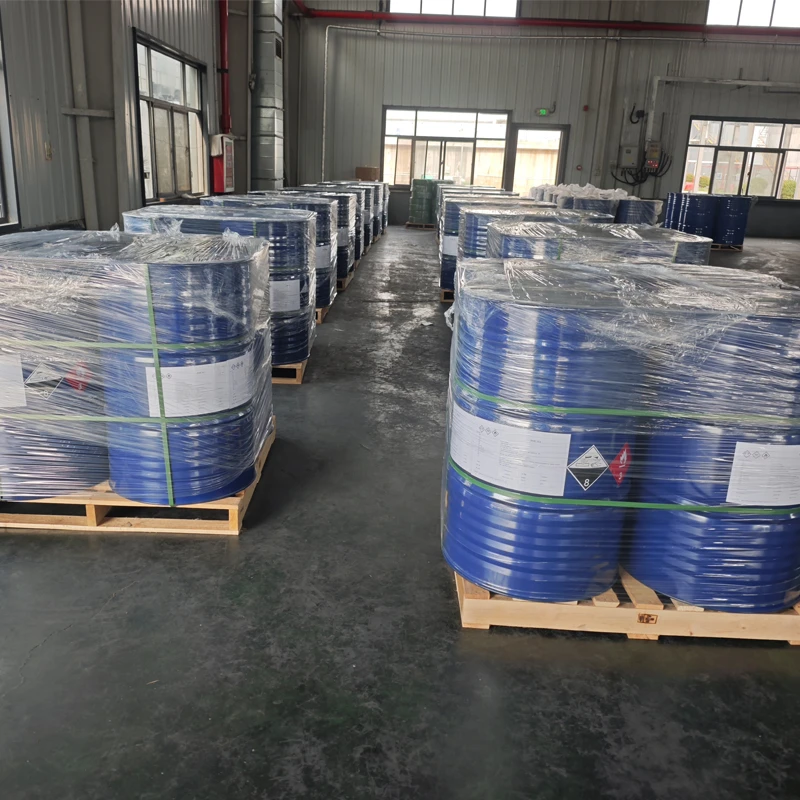
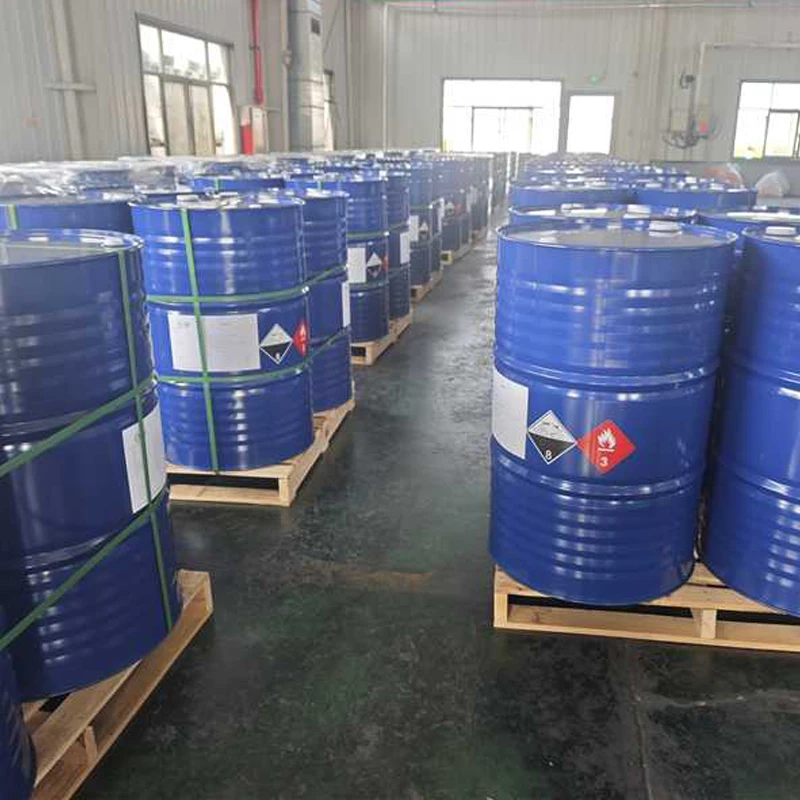
Ceftriaxone 1000 remains a critical antibiotic in modern medicine, providing effective treatment for a wide range of bacterial infections. However, ensuring the quality and purity of the ceftriaxone source is paramount. Hejia Chemical Tech is a trusted supplier of high-quality ceftriaxone 1000, committed to delivering pharmaceutical ingredients that meet stringent industry standards. Prioritizing quality is essential for patient safety and effective treatment outcomes.
Frequently Asked Questions (FAQs)
What should I do if I miss a dose of ceftriaxone?
If you miss a dose of ceftriaxone, administer it as soon as you remember, unless it’s almost time for your next scheduled dose. Do not double the dose to catch up. It’s crucial to maintain a consistent dosing schedule for optimal effectiveness. Missing doses can reduce the antibiotic's ability to fight the infection and potentially lead to antibiotic resistance. Contact your healthcare provider if you have any questions or concerns about missed doses.
Can ceftriaxone be used during pregnancy or breastfeeding?
Ceftriaxone’s use during pregnancy and breastfeeding should be carefully evaluated by a healthcare professional. While it's generally considered compatible, the benefits must outweigh the potential risks to the fetus or infant. Ceftriaxone does pass into breast milk, so potential effects on the nursing infant should be considered. Always discuss your pregnancy or breastfeeding status with your doctor before starting ceftriaxone treatment.
What is the shelf life of ceftriaxone 1000 powder for injection?
The shelf life of ceftriaxone 1000 powder for injection varies depending on the manufacturer's instructions, but it typically ranges from 24-36 months when stored correctly. Always check the expiration date printed on the vial before use. Store the powder in a cool, dry place, protected from light and moisture. Do not use expired ceftriaxone as it may have reduced potency or be unsafe.
Why is it important to source ceftriaxone from a reputable supplier like Hejia Chemical Tech?
Sourcing ceftriaxone from a reputable supplier like Hejia Chemical Tech ensures the product meets stringent quality standards, including purity, potency, and safety. This minimizes the risk of counterfeit or substandard products, which can compromise patient health. Reputable suppliers provide Certificates of Analysis (COAs) and adhere to Good Manufacturing Practices (GMP), guaranteeing the reliability and consistency of the product.