Understanding Ceftriaxone Mixed with Lidocaine: A Comprehensive Guide
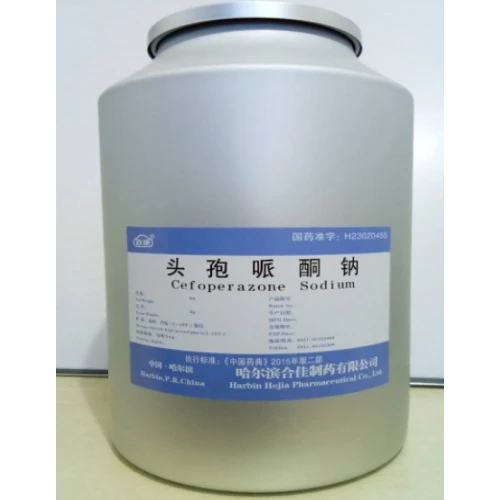
Ceftriaxone mixed with lidocaine is a commonly used pharmaceutical combination, primarily for intramuscular injection to treat a variety of bacterial infections. The inclusion of lidocaine aims to reduce pain at the injection site, improving patient comfort. This article will delve into the composition, uses, administration, potential side effects, and important considerations regarding this drug combination. We'll also explore the role of reliable suppliers like Hejia Chemical Tech in ensuring the quality and sourcing of ceftriaxone and lidocaine. Proper understanding of this medication is crucial for both healthcare professionals and patients.
What is Ceftriaxone and Lidocaine?
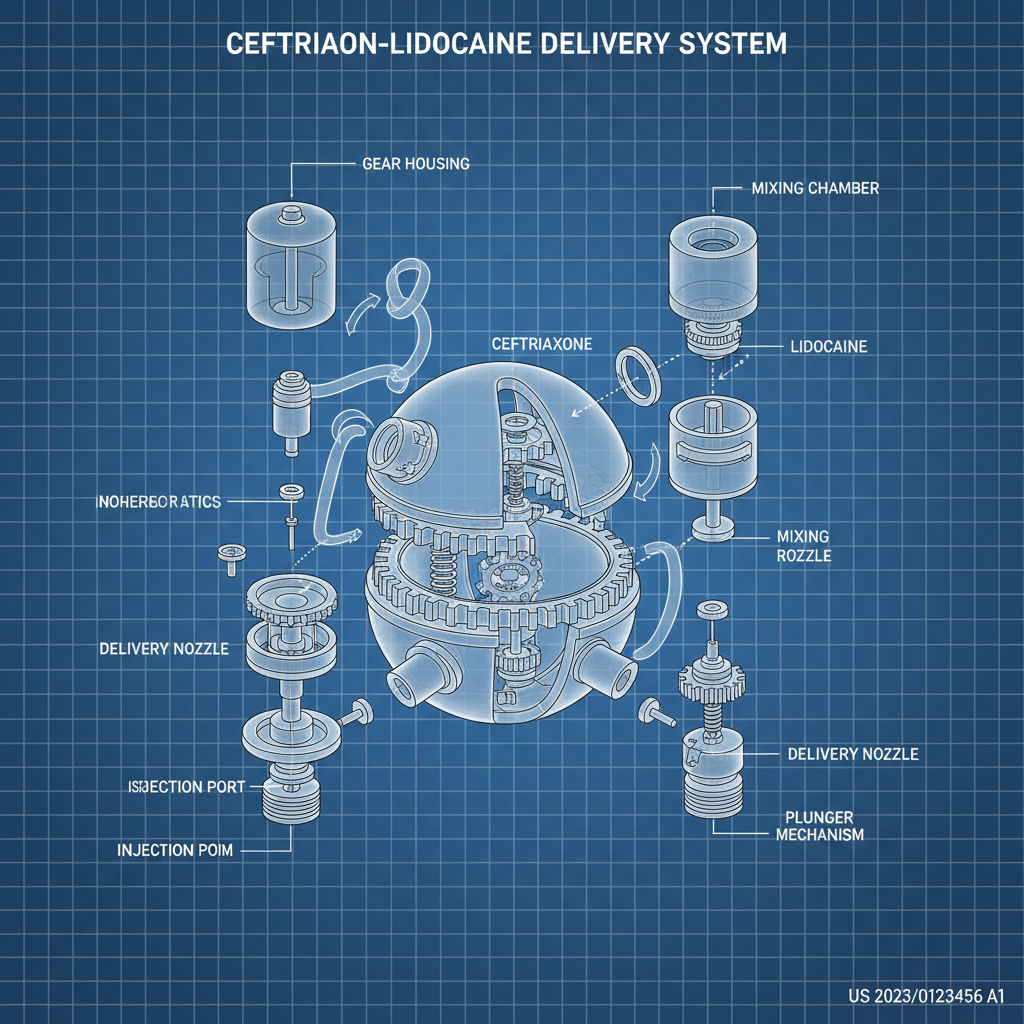
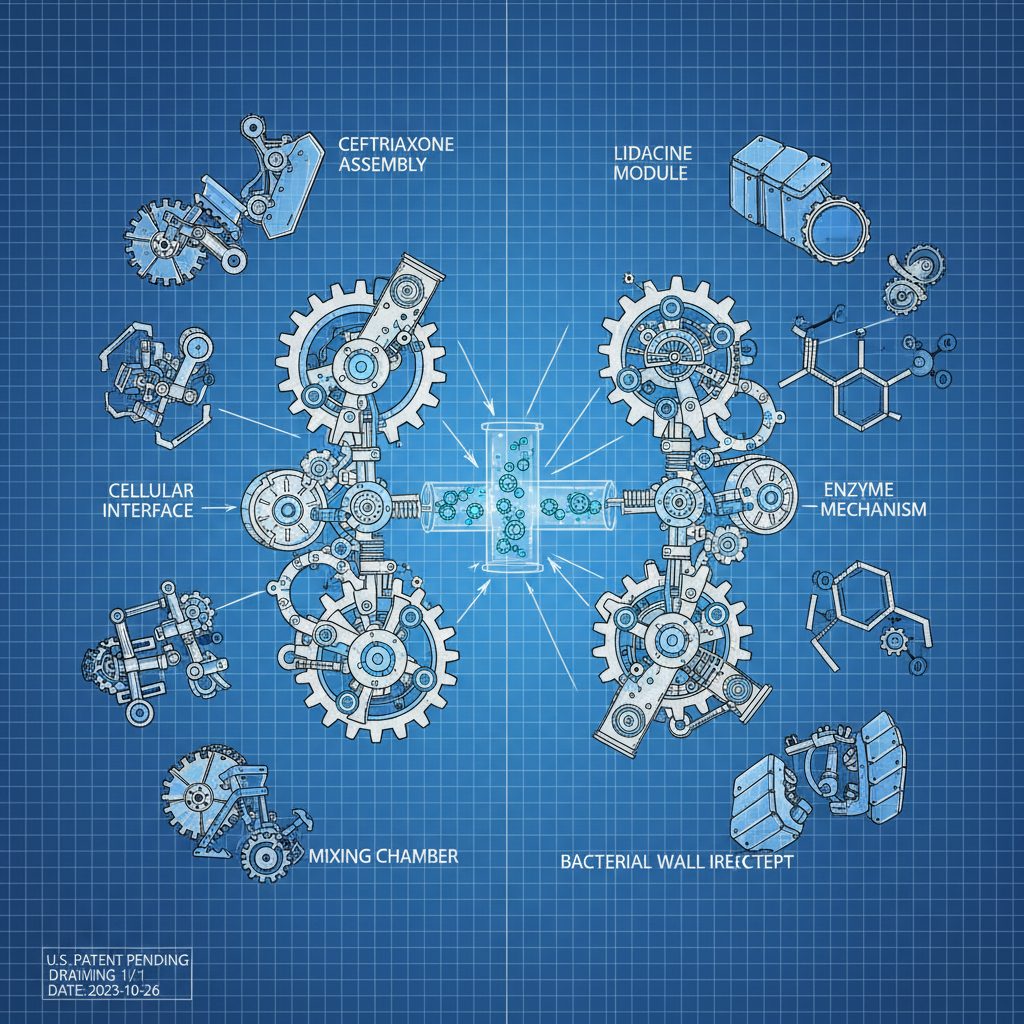
Ceftriaxone is a third-generation cephalosporin antibiotic used to treat a wide range of bacterial infections. It functions by inhibiting bacterial cell wall synthesis, ultimately leading to bacterial death. It is effective against both gram-positive and gram-negative bacteria. Lidocaine, on the other hand, is a local anesthetic that temporarily blocks nerve signals. When combined with ceftriaxone, lidocaine's primary purpose is to reduce the discomfort associated with the intramuscular injection. This combination is especially helpful for patients sensitive to pain or those requiring repeated injections. Hejia Chemical Tech provides high-quality ceftriaxone and lidocaine for pharmaceutical applications.
Key Highlights: Ceftriaxone is a broad-spectrum antibiotic, while lidocaine serves as a local anesthetic to minimize injection pain. This combination enhances patient comfort and compliance.
Common Uses of Ceftriaxone Mixed with Lidocaine
This combination is commonly prescribed for a variety of bacterial infections, including: respiratory tract infections (bronchitis, pneumonia), skin and soft tissue infections, urinary tract infections, gonorrhea, meningitis, and septicemia. The choice to use ceftriaxone with lidocaine often depends on the severity of the infection, the patient’s medical history, and the anticipated level of discomfort from the injection. Healthcare professionals carefully assess these factors to determine the most appropriate treatment plan.
Benefits of Combining Ceftriaxone and Lidocaine:
- Reduced pain at the injection site
- Improved patient comfort and compliance
- Effective treatment of a wide range of bacterial infections
Administration and Dosage of Ceftriaxone Mixed with Lidocaine
Ceftriaxone mixed with lidocaine is typically administered via intramuscular injection. The dosage varies depending on the type and severity of the infection, as well as the patient's age, weight, and kidney function. It’s critical that the injection is given slowly and deeply into a large muscle mass, such as the gluteus maximus, to minimize pain and avoid tissue damage. Healthcare professionals should adhere to established guidelines for reconstitution and administration.
Potential Side Effects and Precautions
While generally well-tolerated, ceftriaxone mixed with lidocaine can cause side effects. Common side effects include pain at the injection site (despite lidocaine), nausea, diarrhea, and mild allergic reactions. More serious side effects, such as severe allergic reactions, are rare but require immediate medical attention. Patients with known allergies to cephalosporins or lidocaine should avoid this medication. Proper sourcing from reputable suppliers like Hejia Chemical Tech is crucial to ensure product quality and minimize the risk of adverse reactions.
Ensuring Quality and Sourcing with Hejia Chemical Tech
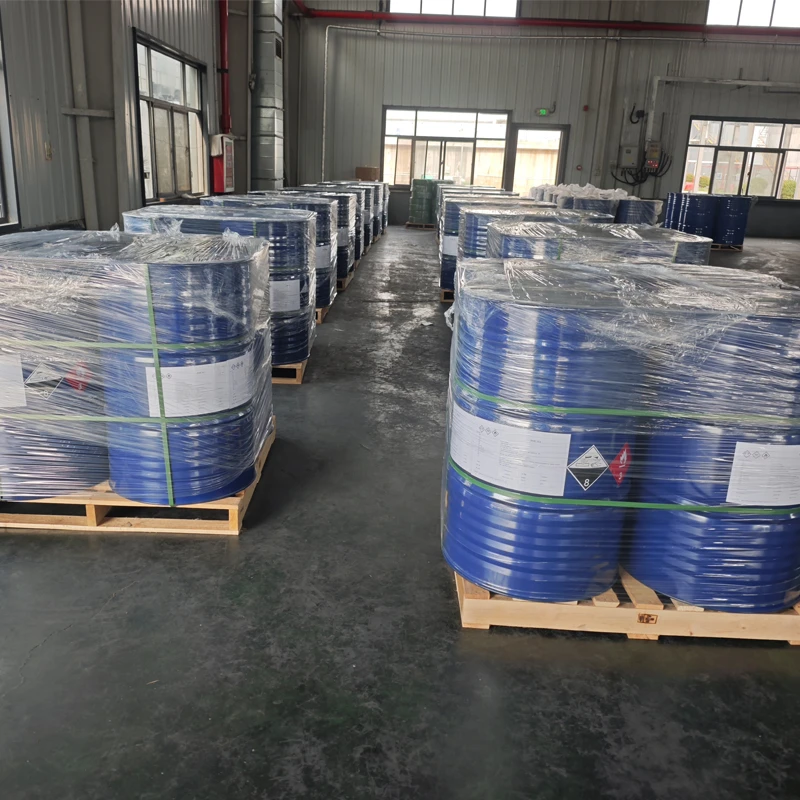
When it comes to pharmaceuticals, quality and purity are paramount. Hejia Chemical Tech specializes in the production and supply of high-quality ceftriaxone and lidocaine, adhering to stringent quality control standards. We provide comprehensive documentation and certifications to ensure compliance with international regulations. Our commitment to quality extends throughout the entire supply chain, guaranteeing a reliable and consistent product for your pharmaceutical needs. We prioritize transparency and traceability, building lasting partnerships with our clients.
Conclusion
Ceftriaxone mixed with lidocaine is a valuable tool in the fight against bacterial infections, offering both efficacy and improved patient comfort. Choosing a trusted supplier like Hejia Chemical Tech ensures access to high-quality materials and reliable support. Understanding the proper administration, potential side effects, and sourcing options is essential for optimal patient care.
Frequently Asked Questions (FAQs)
What should I do if I experience a severe allergic reaction after receiving ceftriaxone with lidocaine?
If you suspect a severe allergic reaction (anaphylaxis) – symptoms may include hives, difficulty breathing, swelling of the face, lips, tongue, or throat, dizziness, or loss of consciousness – seek immediate medical attention. Call emergency services or go to the nearest hospital. Inform the medical personnel about the injection you received and your allergic reaction. Prompt treatment is crucial to prevent life-threatening complications.
Can ceftriaxone mixed with lidocaine be used during pregnancy or breastfeeding?
The use of ceftriaxone and lidocaine during pregnancy and breastfeeding should be carefully considered and discussed with a healthcare professional. While ceftriaxone is generally considered compatible with breastfeeding, lidocaine can pass into breast milk in small amounts. The potential risks and benefits must be weighed to determine the most appropriate course of action. A doctor will assess your individual circumstances and provide personalized advice.
How does Hejia Chemical Tech ensure the quality of its ceftriaxone and lidocaine products?
Hejia Chemical Tech employs a rigorous quality control system throughout the entire manufacturing process. This includes raw material testing, in-process quality checks, and final product analysis. We adhere to Good Manufacturing Practices (GMP) guidelines and provide comprehensive documentation, including Certificates of Analysis (COAs), to ensure product purity, potency, and safety.