Understanding the List of Bulk Drug Intermediates: Why It Matters Globally
When we talk about the list of bulk drug intermediates, we’re essentially looking at the chemical building blocks behind the medicines that fuel modern healthcare. It’s a bit like knowing the recipe ingredients before you bake a cake — these intermediates lay the foundation for active pharmaceutical ingredients (APIs), which ultimately become life-saving drugs.
Globally, the availability and quality of these intermediates affect not only the pharmaceutical supply chains but also public health outcomes and affordability of treatments — issues especially pressing during healthcare crises. Understanding what this list entails unlocks insights into production efficiency, regulatory compliance, and global trade dynamics.
The Global Context of Bulk Drug Intermediates
Across continents, pharmaceutical manufacturing is one of the most critical and complex industries. According to the World Health Organization, over 80% of active pharmaceutical ingredients (APIs) are manufactured using bulk drug intermediates sourced either locally or internationally. In fact, the global bulk drug intermediate market size was valued at several billion USD and is expected to grow steadily, driven by rising demands for generic drugs and biologics.
But here’s the catch: supply chain disruptions, raw material shortages, and regulatory hurdles pose ongoing challenges. The COVID-19 pandemic exposed these vulnerabilities starkly — countries scrambling to secure intermediates highlighted the urgency of well-vetted lists of bulk drug intermediates to streamline procurement and ensure quality.
Defining Bulk Drug Intermediates
Simply put, bulk drug intermediates are chemical compounds produced during the multi-step synthesis of an active pharmaceutical ingredient. They are not the final drugs but crucial precursors. Think of them as middle-steps in a long chemical journey. Their quality determines the safety, efficacy, and compliance of resulting medicines.
These intermediates can range from relatively simple molecules to complex chemical entities and are subjected to rigorous quality checks before advancing further down the production line. They connect raw materials to the finished medical products we rely on daily, fulfilling both industrial scale demands and humanitarian needs for quality medicines.
Core Components of Bulk Drug Intermediates
1. Purity & Quality Assurance
The purity levels required for intermediates vary based on the drug synthesis stage but maintaining stringent quality standards is non-negotiable. Any contaminants can compromise the API, and eventually, the medicine.
2. Scalability & Yield
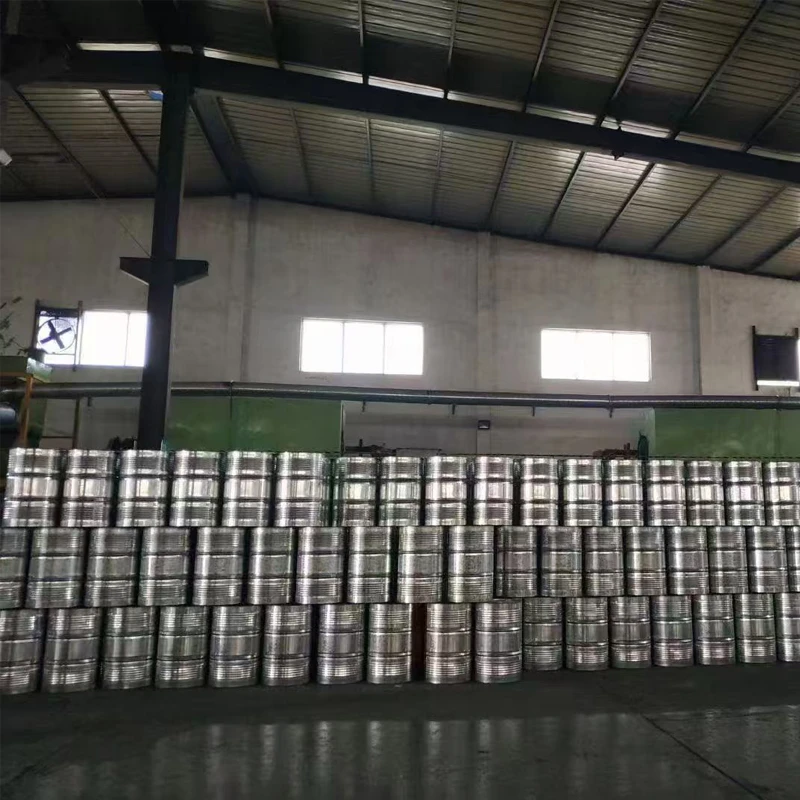
Bulk drug intermediates have to be produced at scale—sometimes tons per batch—without compromising chemical yield or waste generation. This scalability ensures stable supply for pharmaceutical manufacturers worldwide.
3. Regulatory Compliance
Given their role in drug manufacturing, intermediates must meet international chemical and pharmaceutical regulatory standards such as ISO 9001 and guidelines by agencies like the FDA and EMA.
4. Cost Efficiency
Because intermediates feed into a highly competitive pharmaceutical market, cost-effective production reduces the final drug price, making treatments more affordable globally.
5. Environmental Impact
Modern production increasingly demands greener synthetic routes to reduce hazardous waste and carbon footprint, aligning with sustainable industry practices.
Mini Takeaway:
Understanding these core factors illuminates how the list of bulk drug intermediates drives medicine quality and accessibility worldwide.
Global Applications & Use Cases
Bulk drug intermediates find use in a vast array of contexts:
- Pharmaceutical Manufacturing Hubs: Countries like India, China, and Germany dominate production, supplying APIs and intermediates globally.
- Post-Disaster Medical Relief: Reliable intermediates ensure quick drug manufacturing during emergencies, for example during pandemics or natural disasters.
- Generic Drug Production: Generic manufacturers rely heavily on bulk intermediates to reduce lead time and costs, providing affordable healthcare options.
- Remote Industrial Zones: Even in less developed regions, intermediates empower local drug production to combat endemic diseases.
Bulk Drug Intermediate Product Specifications
| Specification | Typical Range / Value | Notes |
|---|---|---|
| Purity | ≥ 98% | Depends on intermediate type |
| Moisture Content | ≤ 0.5% | Critical for stability |
| Particle Size | Varies | Affects downstream processing |
| Batch Size | 10-1000 kg+ | Scalability dependent |
| Storage Conditions | Cool, dry place | To prevent degradation |
Advantages & Long-Term Value
The benefits of using a well-curated list of bulk drug intermediates cascade across sectors and continents.
- Cost Savings: Bulk intermediates reduce overall drug production costs, passing savings to healthcare systems and patients.
- Reliability: Quality assurance minimizes risks of drug recalls or regulatory non-compliance, fostering trust.
- Sustainability: Optimized syntheses and greener production reduce environmental footprint, aligning with corporate responsibility.
- Innovation Catalyst: Having defined lists encourages research into novel intermediates, speeding up drug discovery and development.
- Public Health Impact: Facilitates wider access to critical medicines, enhancing treatment outcomes in lower-income regions.
Vendor Comparison Table
| Vendor | Quality Certifications | Production Capacity (tons/year) | Environmental Standards | Lead Time |
|---|---|---|---|---|
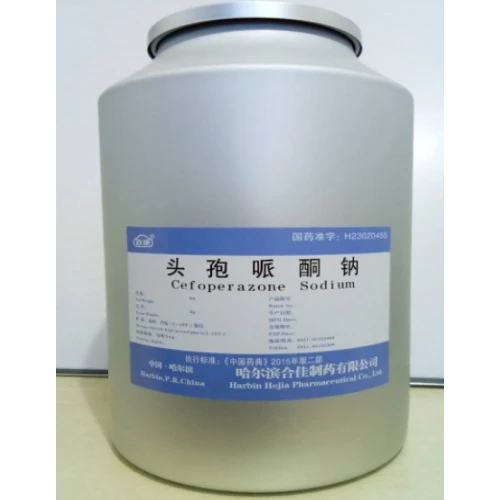
| Hejia Chemical Tech | ISO 9001, GMP | 500+ | EPA compliant, Green Chemistry | 4-6 weeks |
| Global Intermediates Ltd. | FDA-approved facilities | 700 | Sustainable Synthesis | 6-8 weeks |
| ChemCore Manufacturing | ISO 14001 | 300 | Partial Compliance | 5 weeks |
Future Trends & Innovations
Looking ahead, the world of bulk drug intermediates is really stepping into a new era.
- Green Chemistry Initiatives: There’s rising pressure to adopt environmentally friendly synthesis routes, reducing hazardous reagents and waste.
- Automation & Digitalization: Smart manufacturing and AI-driven process controls promise higher precision and predictive maintenance, cutting downtime.
- Biocatalysis: Using enzymes for synthesis is growing thanks to their selectivity and milder conditions, improving sustainability.
- Supply Chain Transparency: Blockchain and traceability platforms are being explored to enhance quality assurance and diminish counterfeit risks.
Challenges & Proven Solutions
Of course, the industry faces hurdles. Variability in raw material quality, geopolitical trade barriers, and regulatory complexities often disrupt smooth supply chains.
Many experts suggest diversifying sourcing, adopting modular manufacturing units closer to consumption points, and continuous training on compliance as actionable solutions.
FAQ: Frequently Asked Questions About List of Bulk Drug Intermediates
Q: How important is purity in the list of bulk drug intermediates?
A: Purity is critical, often exceeding 98%, because even minor impurities can affect the potency and safety of the final drug. Manufacturers conduct rigorous testing to comply with global standards (FDA, EMA).
Q: Can I source bulk drug intermediates internationally without regulatory hassle?
A: Yes, but it requires careful documentation and adherence to import/export laws. Working with certified vendors like Hejia Chemical Tech simplifies compliance.
Q: Are bulk drug intermediates safe for the environment?
A: Modern production strives for eco-friendly methods; however, some intermediates involve hazardous chemicals. Selecting suppliers prioritizing green chemistry is key.
Q: How quickly can production ramp up during a medical emergency?
A: With flexible manufacturing and stockpiled intermediates, lead times can shrink to 2-4 weeks, but this depends on the specific molecule and supplier capabilities.
Q: What trends will influence the list of bulk drug intermediates in the next decade?
A: Expect advances in biocatalysts, AI-driven synthesis optimization, and sustainability standards to reshape how intermediates are produced and selected.
Conclusion
In real terms, the list of bulk drug intermediates is more than just a catalog — it’s the backbone enabling global medicine production, affecting costs, access, and innovation. With evolving technologies and stricter standards, it will continue shaping a healthier future for millions.
For comprehensive solutions tailored to pharmaceutical needs, feel free to visit our website: Hejia Chemical Tech.
It feels like understanding these intermediates unwraps a critical piece of the healthcare puzzle—one we ought to appreciate and support.