Cosmetic Glycerin: The Unsung Hero of Skincare and Beyond
Cosmetic glycerin isn’t just another ingredient on a label; it’s a versatile, globally essential compound with a vast array of applications in the beauty industry and beyond. Understanding cosmetic glycerin can illuminate how products we often take for granted actually perform their magic. It’s hydrating, stabilizing, and surprisingly humanitarian — all rolled into one clear, syrupy liquid. But why does this humble chemical matter on a global scale? Quite simply, it forms the backbone of countless formulations that keep skin healthy, cosmetics stable, and even remedies effective worldwide.
Given the steady rise in skincare awareness combined with stricter safety and sustainability standards, cosmetic glycerin’s role only grows more pivotal. Its multifunctionality caters to beauty brands, pharmaceutical applications, and even food products — talk about versatile! In essence, learning about cosmetic glycerin translates into insights about ingredient quality, product effectiveness, and the trends shaping the industry's future.
Why Cosmetic Glycerin Matters Globally
Cosmetic glycerin’s global demand has skyrocketed alongside the expanding personal care and pharmaceutical markets. According to reports from the International Organization for Standardization (ISO), the glycols and glycerol markets grew by almost 6% annually from 2018 through 2023. This rapid growth isn’t by chance — regions like Asia-Pacific and North America spearhead this demand, thanks to increasing disposable incomes and skincare literacy. And, frankly, it’s a response to climate change creating harsher skin conditions, pushing people to search for better moisturizers.
But here’s a twist: cosmetic glycerin also addresses significant humanitarian challenges. In disaster-affected zones, it’s often a key ingredient in barrier creams and first-aid ointments that protect vulnerable populations’ skin against infections and dehydration. In such scenarios, a reliable source of quality glycerin can actually mean the difference between discomfort and wellness.
That problem — how to maintain skin integrity under tough environmental and economic conditions — is exactly what cosmetic glycerin helps solve. And because it’s relatively easy to produce sustainably, it’s a shining example of how chemical innovation can meet global health and beauty needs together.
What Exactly is Cosmetic Glycerin?
In the simplest terms, cosmetic glycerin is a pure, colorless, and odorless liquid sugar alcohol derived mainly from plant oils like palm, soy, or coconut. Chemically known as glycerol, it is prized for its ability to attract and hold onto water molecules, making it an excellent humectant. This means products containing cosmetic glycerin can help skin retain moisture better — a key for maintaining softness and preventing dryness.
But it’s not just about softness. Glycerin is also a solvent and preservative enhancer, which means it helps keep formulations stable and effective over time — something critical in modern mass-produced cosmetics. And unlike some synthetic compounds, it’s biodegradable and generally non-toxic, aligning well with the industry's move toward greener, safer ingredients.
Key Components and Properties of Cosmetic Glycerin
1. Humectancy
Its ability to draw moisture from the air and keep skin hydrated is the defining trait of cosmetic glycerin. It helps formulas lock in hydration for hours, which can reduce the need for frequent product application.
2. Non-Toxicity & Biodegradability
Unlike some synthetic humectants, glycerin is generally safe for all skin types. This universality has made it a staple, conforming to strict international cosmetic regulations.
3. Compatibility
It easily integrates with oils, water, and other cosmetic ingredients without destabilizing emulsions. That’s why beauty chemists love it for creams, lotions, serums, and even hair products.
4. Viscosity and Texture
Cosmetic glycerin adds a pleasant “slip” to skincare products, improving application feel without greasiness. It also helps thicken some formulas subtly, influencing final product texture.
5. Stability & Shelf-Life Extension
Its preservative properties reduce microbial growth risk, contributing to longer-lasting, safer cosmetics.
| Property | Description | Typical Value/Range |
|---|---|---|
| Purity | Typically USP or pharmaceutical grade | ≥ 99.5% |
| Color | Clear, colorless liquid | Max 10 APHA |
| Moisture content | Water content affecting viscosity | ≤ 0.25% |
| pH (10% aqueous solution) | Neutral to slightly acidic | 5.5 to 7.0 |
| Odor | Odorless | None |
Where Cosmetic Glycerin is Changing the Game
Cosmetic glycerin’s applications stretch far beyond just moisturizers. In North America and Europe, it’s a go-to in formulations ranging from anti-aging serums to baby care, thanks to its gentle yet effective hydration. In Asia-Pacific, rising interest in natural-based products sparks even more demand for plant-derived glycerin.
Beyond beauty shelves, NGOs use glycerin-rich barrier creams to aid displaced populations in harsh climates. Think of it this way: in refugee camps or disaster zones, where access to water is limited, having skincare products that maintain moisture and prevent infections is almost a form of humanitarian aid.
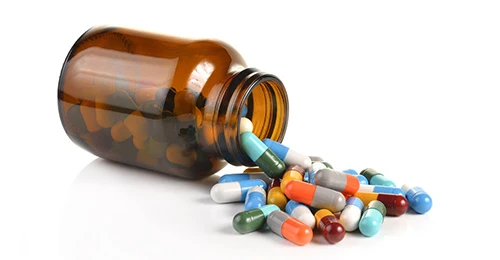
In pharmaceutical companies, glycerin acts as a solvent and stabilizer in cough syrups and wound care ointments. By keeping active ingredients moist and effective, it plays a subtle but vital role in medical treatment.
Comparing the Leading Cosmetic Glycerin Vendors
| Vendor | Source | Purity Grade | Sustainability Claims | Global Reach |
|---|---|---|---|---|
| Hejia Chemical Tech | Plant-based (palm & coconut) | USP/Pharmaceutical | Certified sustainable sourcing | Asia, Europe, Americas |
| BASF | Synthetic & plant-based blends | USP Grade | Focus on carbon footprint reduction | Global |
| Dow Chemical | Mostly synthetic | Industrial Grade | Investing in green chemistry | Global, with major US market |
Why Cosmetic Glycerin’s Advantages Go Beyond Skin Deep
Tangible benefits? Sure. But cosmetic glycerin’s advantages ripple out to economic, environmental, and emotional realms. For businesses, it means a cost-effective ingredient that lasts, reducing waste and stabilizing products reliably. Environmentally, the ability to source glycerin sustainably from plant oils moves the industry toward cleaner, greener options that consumers crave.
But there’s also an intangible quality — trust. Customers know glycerin as a longstanding, proven moisturizer. Many say it evokes a sense of skincare tradition, something both accessible and effective, built on science yet grounded in nature.
Looking Ahead: What the Future Holds for Cosmetic Glycerin
The future? It’s heading toward innovation in green chemistry and digital traceability. Producers increasingly use biotechnology methods to create glycerin without relying solely on palm oil, addressing deforestation concerns. Meanwhile, blockchain technology begins helping brands verify their glycerin’s “farm to face” sustainability claims.
Automation in manufacturing and smarter formulation techniques may yield new glycerin blends that target specific skin conditions or environmental climates — imagine hydrating but ultra-light serums optimized by AI. It’s a bit sci-fi but also within reach.
Current Challenges and How Experts Are Tackling Them
Like many natural ingredients, cosmetic glycerin’s main hurdle is supply chain consistency. Palm oil sources face criticism for environmental impact, and synthetic variants sometimes lack perceived purity. To answer this, industry leaders, including cosmetic glycerin suppliers, invest heavily in sustainable sourcing and transparency initiatives.
Additionally, manufacturers are optimizing purification techniques to guarantee ultra-high-quality glycerin free from impurities and allergens, meeting strict cosmetics regulations worldwide.
Frequently Asked Questions About Cosmetic Glycerin
- 1. Is cosmetic glycerin safe for sensitive skin?
- Yes, cosmetic glycerin is widely regarded as safe and gentle, often recommended for sensitive skin because it moisturizes without irritation. However, it's always best to check product formulations for other ingredients that may cause reactions.
- 2. How does glycerin improve the shelf life of skincare products?
- Glycerin acts as a humectant and preservative enhancer, reducing microbial growth and maintaining product stability, thus extending the shelf life of creams or lotions.
- 3. Can cosmetic glycerin be vegan?
- Absolutely. Most cosmetic glycerin today is plant-derived, sourced from vegetable oils, making it suitable for vegan formulations.
- 4. What makes vegetable-derived glycerin more sustainable?
- Vegetable-derived glycerin uses renewable plant oils as starting materials, unlike petroleum-based glycerin. Sustainable certification schemes ensure that raw materials are farmed responsibly, minimizing ecological impact.
- 5. How do I choose a reliable glycerin supplier?
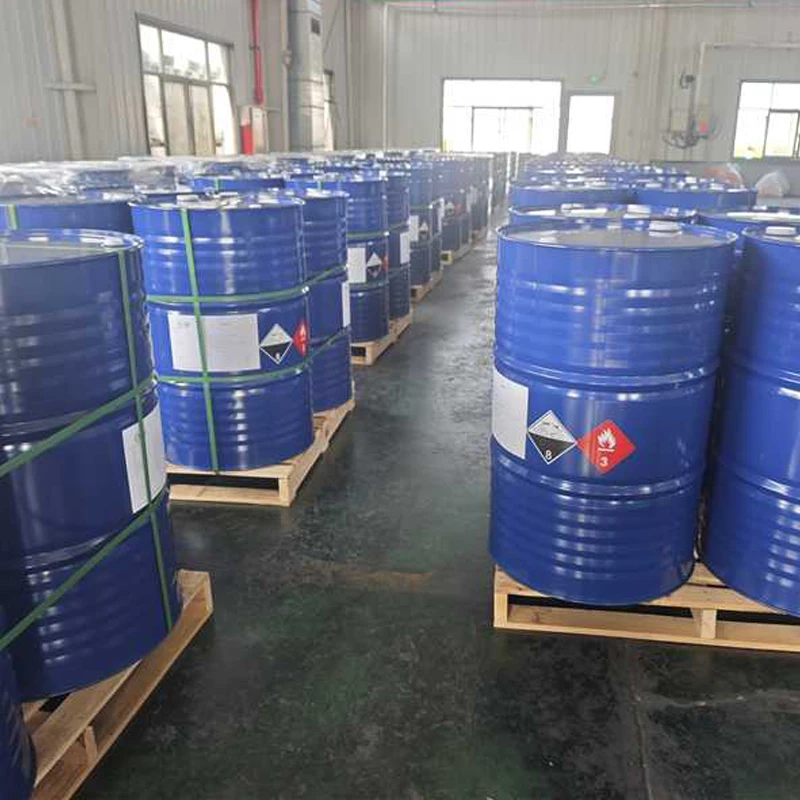
- Look for vendors with transparent sourcing, compliance with international standards, certifications like USP or pharmaceutical grade, and positive industry reputation. Companies like Hejia Chemical Tech offer reliable, certified cosmetic glycerin.
Wrapping It Up: Why Cosmetic Glycerin Deserves Your Attention
So, cosmetic glycerin isn’t a passing star. It’s a cornerstone ingredient quietly shaping product innovation and skincare success everywhere from high-end shops in Paris to humanitarian aid stations in remote regions. Its unique combination of moisturizing power, regulatory safety, sustainability, and economical pricing positions it as a favorite in formulas today and into the future.
If you’re curious or working in product development, I recommend diving deeper into the trusted suppliers and sustainable sources — especially cosmetic glycerin specialists who combine quality and responsible practices. It’s a savvy way to future-proof your formulations in a world demanding transparency and efficacy.
Feeling inspired? Check out more about high-quality, sustainable cosmetic glycerin suppliers on our site — your customers will thank you!