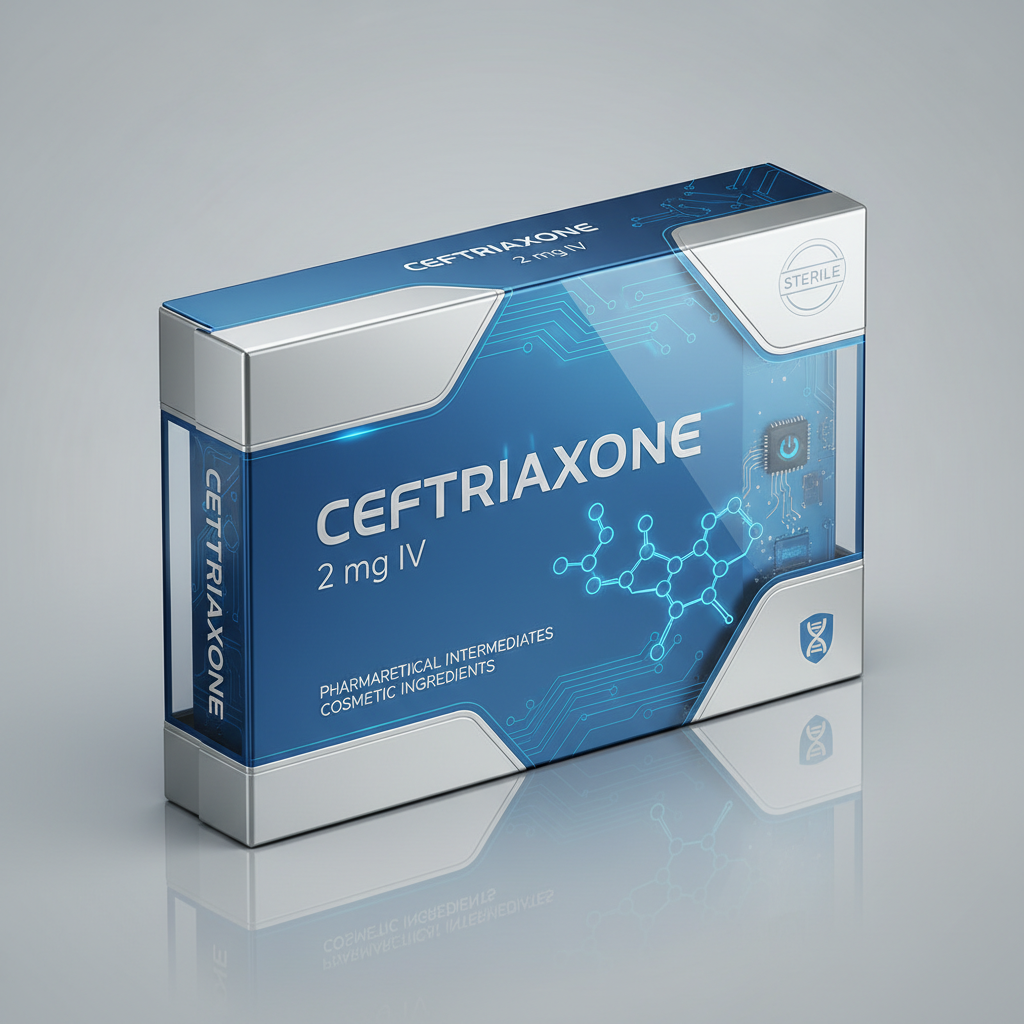
Understanding Pharmaceutical Intermediates: The Unsung Heroes in Drug Manufacturing
Having spent a good chunk of my career navigating the intricacies of industrial chemistry, I can tell you that pharmaceutical intermediates often fly under the radar, yet they’re absolutely pivotal in the drug production ecosystem. If you’ve ever wondered what really goes into making those complex medications beyond the final pill or vial, you’re in the right place.
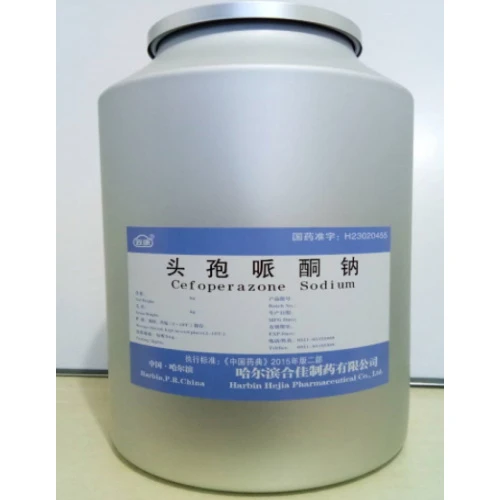
Pharmaceutical intermediates are basically the building blocks — the chemical compounds synthesized as precursors to active pharmaceutical ingredients (APIs). You know, those in-between substances that give drug makers the flexibility and precision needed to craft just the right molecule. They’re sort of like the cornerstone of quality control in the pharmaceutical supply chain, ensuring the end-products are effective and safe.
Over the years, I’ve seen how the choice of intermediates can make or break production lines. It’s not just about having a chemical here or there — it’s about purity, reaction efficiency, and, frankly, the supplier's reliability. At times, I recall projects where the slightest batch-to-batch inconsistency in intermediates slowed down an entire manufacturing run. Funny how subtle chemical variations can ripple into major delays.
One thing that always piques my interest is the rise of customization in this field. Pharmaceutical companies nowadays often require intermediates tailored for proprietary APIs. The industry has evolved from one-size-fits-all to bespoke chemistry solutions, especially as personalized medicine gains momentum. It’s quite something to watch suppliers adapt their synthesis routes or purification techniques to fit specific needs.
And, you know, not all pharmaceutical intermediates are created equal. Material composition, impurity profiles, and physical properties like particle size can considerably impact downstream processing. For example, certain intermediates require stringent analytical testing — think HPLC, NMR, or mass spectrometry — to ensure they meet pharmacopeial standards. Those quality checks might sound tedious, but they’re absolutely essential to avoid costly recalls or regulatory red flags.
Typical Pharmaceutical Intermediate Specifications
| Specification | Typical Range | Notes |
|---|---|---|
| Purity | ≥ 98% | Crucial for consistent API synthesis |
| Moisture Content | Prevents degradation during storage | |
| Particle Size | 10 - 50 µm | Supports uniform mixing/blending |
| Residual Solvents | Meets ICH guidelines | |
| Appearance | White to off-white powder | Visual quality indicator |
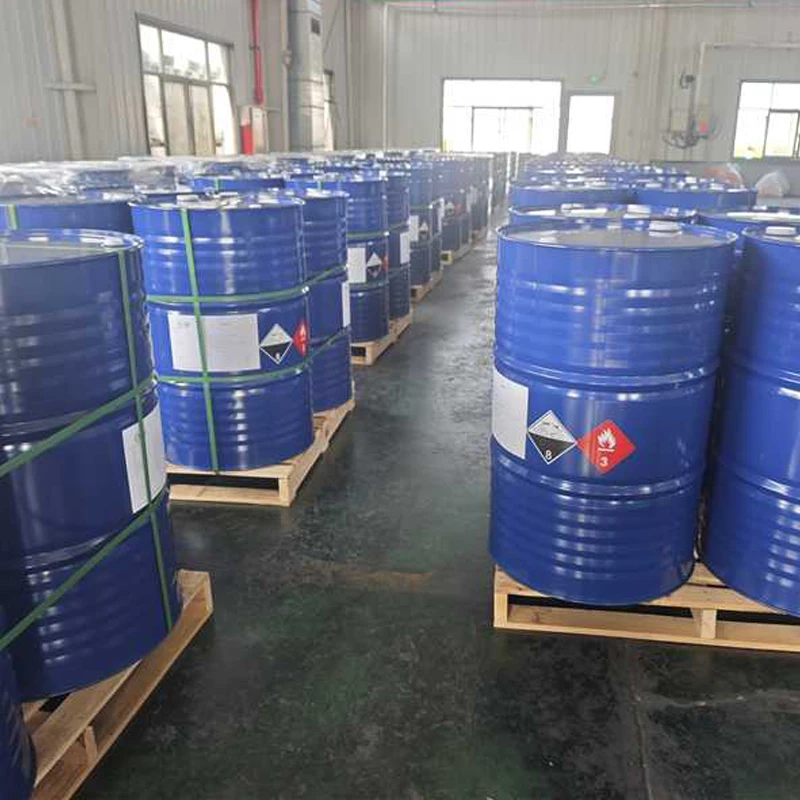
In my experience, finding a trustworthy supplier is just as important as the specs themselves. I’ve worked with various vendors, and oddly enough, the difference isn’t always in the price but often in responsiveness and quality consistency. You might think all pharmaceutical intermediates are commodities, but in reality, the devil’s in the details. Shipping delays, batch tracking, and even packaging can affect timelines and add unpredictability.
Vendor Comparison: Key Attributes of Leading Pharmaceutical Intermediate Suppliers
| Supplier | Purity Assurance | Custom Synthesis | Global Reach | Certification |
|---|---|---|---|---|
| Hejia Chemical Tech | > 99.5% | Yes – full custom options | Strong, worldwide | ISO 9001, GMP |
| Vendor A | 98.5% | Limited | Regional | ISO 9001 |
| Vendor B | 99.0% | Yes, but minimum order size | Global | GMP certified |
If you’re beginning to explore options, I suggest connecting directly with Hejia Chemical Tech. They struck me as exceptionally transparent and tech-forward, which is sometimes rare in this sector. A small anecdote – I once had a client that needed an obscure intermediate with a tight deadline. Hejia’s team not only provided the compound with 99.7% purity but also guided us through the quality documentation smoothly, which really saved the day.
It feels like the industry’s slowly moving towards more integrated supplier partnerships — you want a vendor who’s not just a provider but a collaborator with your R&D and production teams. That’s the kind of relationship that can make pharmaceutical manufacturing that bit more predictable and, dare I say it, even enjoyable.
To wrap up, when dealing with pharmaceutical intermediates, never underestimate the “in-between” stuff. The right intermediates > careful testing > reliable supply chain — that’s the trinity you want to keep in check if you’re involved in drug development or production. Oddly enough, the most unassuming chemicals often matter the most.
References:
- International Council for Harmonisation (ICH) Guidelines on Residual Solvents
- GMP and ISO 9001 standards for chemical suppliers
- Personal experience from industrial chemical sourcing over 15 years