Practical Guide to High-Activity PU Catalysis with Hegrecat BA100 【Bis(2-dimethylaminoethyl) ether】
If you’ve spent time around polyurethane lines, you know the quiet power of a well-chosen amine catalyst. Get it right, and cream/gel windows tighten up, scrap drops, and operators stop chasing reactivity shifts. Lately, many shops (and, to be honest, a few skeptical process engineers) keep circling back to Hegrecat BA100 【Bis(2-dimethylaminoethyl) ether】—CAS 3033-62-3—because it balances blowing and gelling reactions with unusual consistency.
What it is—and why it matters
Chemically, Hegrecat BA100 【Bis(2-dimethylaminoethyl) ether】 is a tertiary amine that accelerates the isocyanate–hydroxyl reaction while nudging the water/isocyanate “blowing” side just enough to fine‑tune foam rise. In flexible foams, that translates into clean cell structures and predictable hardness; in rigid foams and spray, it tightens tack-free times without sacrificing closed-cell content. Origin: 80 Hainan Road, Shijiazhuang Economic and Technological Development Area.
Typical specifications (lab values, ≈ real-world may vary)
| Chemical name | Bis(2-dimethylaminoethyl) ether (BDMAEE) |
| CAS | 3033-62-3 |
| Appearance | Clear, colorless to pale yellow liquid |
| Assay (GC) | ≥ 99.0% |
| Water (Karl Fischer) | ≤ 0.30% |
| Color (APHA) | ≤ 30 |
| Density (25 °C) | ≈ 0.84 g/cm³ |
| Boiling point | ≈ 178–180 °C |
| Flash point (CC) | ≈ 63 °C |
| Recommended dosage | 0.05–0.20 pphp in polyol (flex/rigid/spray) |
Where it’s used
- Flexible slabstock and molded foam (seating, bedding)
- Rigid insulation foams (appliance, panels), spray polyurethane foam (SPF)
- CASE: cast elastomers, adhesives, sealants, coatings needing crisp gel control
Process flow, methods, and tests
Materials: polyol blend, isocyanate (MDI/TDI systems), water or blowing agent, surfactant, Hegrecat BA100 【Bis(2-dimethylaminoethyl) ether】, optional tin/metal co‑catalyst.
Method (typical): pre‑mix BA100 into the polyol; meter at set index; mix 2–6 s; pour or spray; cure per spec. For SPF, see ASTM D7487 practice; for flexible foam properties, ASTM D3574; for rigid foam compression, ASTM D1621. Brookfield viscosity checks (ISO 2555) keep blends within control limits.
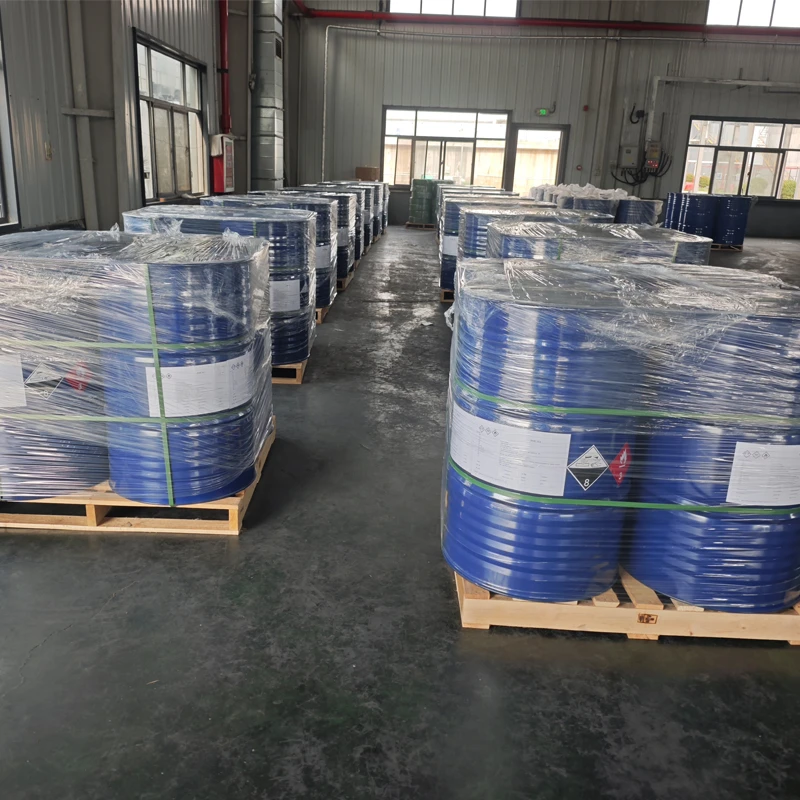
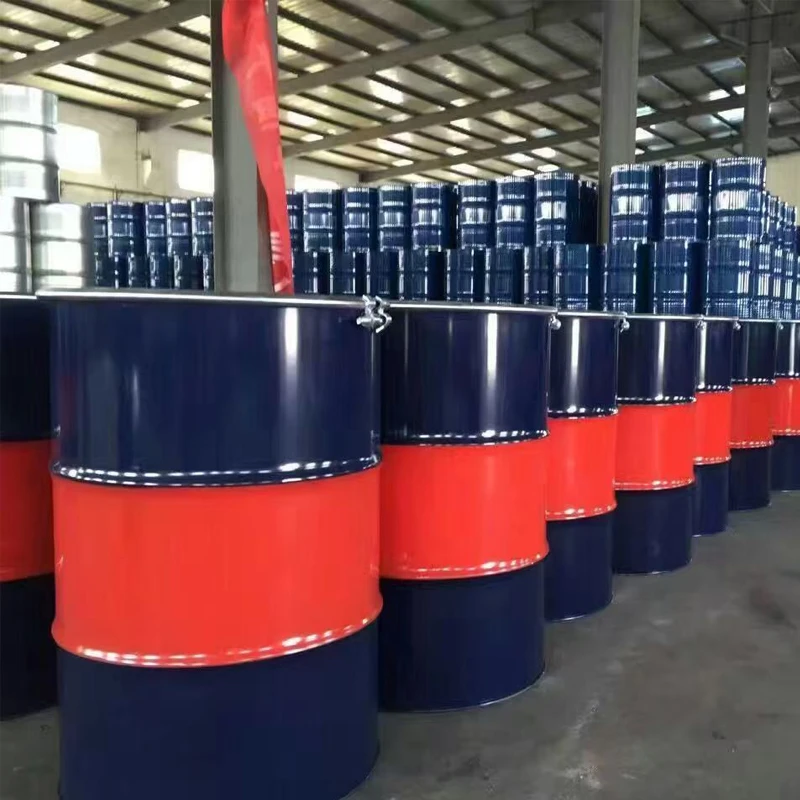
Service life: catalyst shelf life ≈ 24 months in sealed drums at 10–30 °C; foam performance stability verified by periodic compression set/ILD (flex) and λ-value aging (rigid) testing.
What customers report (internal trials, n≈5 plants)
- Cream time shortened by 10–20% at equal hardness (0.12 pphp dose)
- Reduced voids; more uniform cell size in high-humidity runs
- SPF tack‑free down from ~65 s to ~50 s without over‑blowing
Certifications and compliance
Supplier provides COA/SDS; typical compliance packages include ISO 9001 QMS, REACH registration and RoHS statements (availability may vary by region). Third‑party testing can be arranged on request.
Vendor comparison (indicative)
| Vendor | Purity | Lead time | Packaging | Support |
|---|---|---|---|---|
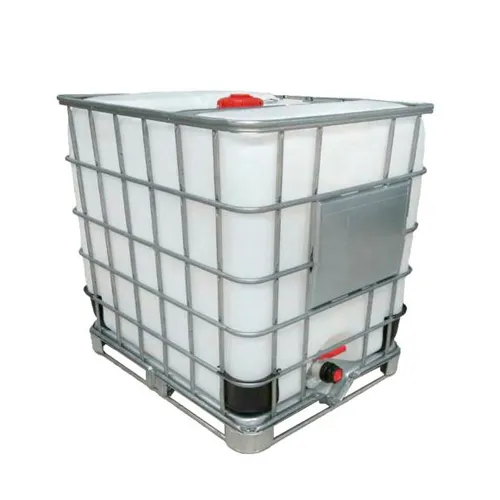
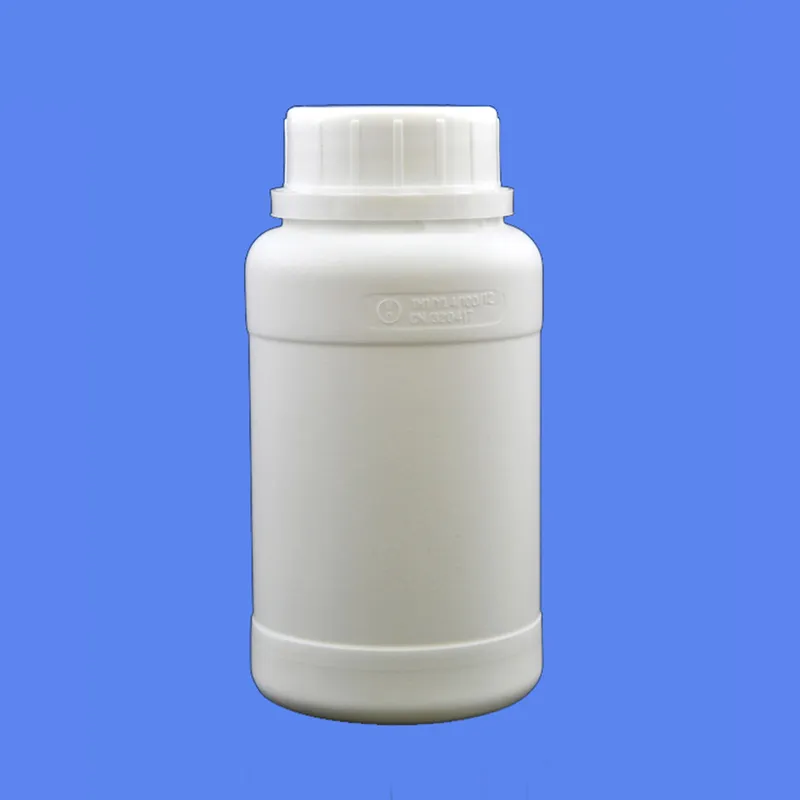
| Hejia (BA100) | ≥99% | ≈ 7–12 days | 25 kg, 180 kg, IBC | Formulation and start‑up on site |
| Vendor A | ≥98.5% | 2–3 weeks | Drums only | Remote only |
| Vendor B | ≥99% | ≈ 10–15 days | Drums, limited IBC | Application lab access |
Customization and blending
For demanding PU systems, Hegrecat BA100 【Bis(2-dimethylaminoethyl) ether】 can be supplied as: (1) low‑water spec for moisture‑sensitive prepolymers, (2) inhibitor‑stabilized grades for extended pot life, or (3) pre‑blends with tin/metal catalysts to simplify dosing.
Short case notes
- Appliance rigid foam: throughput +8% by trimming tack‑free to 48–52 s at 0.10 pphp, λ-values unchanged after 7‑day aging.
- Molded flex foam: ILD scatter reduced 15% by replacing legacy amine blend with BA100 at 0.14 pphp.
Industry trend check
We’re seeing tighter emissions specs and faster lines. BA100‑type tertiary amines remain workhorses because they’re predictable, easy to meter, and play nicely with low‑VOC polyol packages. Not flashy—just solid.
Authoritative references
- ECHA Substance Information: Bis(2-dimethylaminoethyl) ether (CAS 3033-62-3).
- ASTM D3574 – Standard Test Methods for Flexible Cellular Materials—Urethane Foams.
- ASTM D1621 – Standard Test Method for Compressive Properties of Rigid Cellular Plastics.
- ASTM D7487 – Standard Practice for Sprayed Polyurethane Foam in Buildings.
- ISO 2555 – Plastics—Resins in the liquid state—Determination of apparent viscosity by Brookfield method.