Field Notes on Hegrecat DMEA (N — what labs and plants are actually doing
Every few months I circle back to tertiary amines and how they’re quietly shaping polyurethane and waterborne resin lines. This time, a closer look at Hegrecat DMEA (N (N,N-Dimethylethanolamine, CAS 108-01-0). To be honest, DMEA doesn’t shout; it just works. It’s that balanced, reaction-type amine catalyst that many foam and CASE formulators keep on the shelf because it behaves—predictably.
What it is, in practice
Colorless to pale-yellow liquid, soluble in water and miscible with ether, acetone, and aromatics. The tertiary amine plus hydroxyl group means it catalyzes and can also react into the polymer network. In polyurethane systems, Hegrecat DMEA (N moderately accelerates isocyanate–polyol reaction and can neutralize trace acids, stabilizing other amines in the mix. Many customers say they appreciate the “even-tempered” reactivity compared with punchier, more volatile catalysts.
Industry trends (quick scan)
- Shift toward reaction-type amine catalysts to reduce VOC/odor in foam and coatings.
- More waterborne dispersions: DMEA as a neutralizer for acid-functional acrylics and polyurethane dispersions (PUDs).
- Stricter QA: tighter specs on water content and color (APHA) for optical-grade and electronics-adjacent uses.
Typical specification sheet (representative)
| Parameter | Typical Value (≈) | Method/Standard |
|---|---|---|
| Purity | ≥ 99.0% | GC (in-house SOP) |
| Water | ≤ 0.20% | Karl Fischer (ASTM E203) |
| Color (APHA) | ≤ 20 | ASTM D1209 |
| Amine value | ≈ 610 mg KOH/g | Potentiometric titration (ASTM D2074 or equivalent) |
| Density (20°C) | ≈ 0.89 g/cm³ | ASTM D4052 |
| Viscosity (25°C) | ≈ 3–5 mPa·s | ASTM D445 |
| Boiling point | ≈ 134–135°C | Literature |
| Flash point (PMCC) | ≈ 40–46°C | ASTM D93 |
| Shelf life | 12 months, unopened | Real-world use may vary |
Where it’s used
- Rigid and flexible PU foam: balanced rise, controlled cream/gel times.
- CASE: coatings, adhesives, sealants, elastomers—especially where low odor matters.
- Neutralizer for waterborne acrylics/PUDs; amine salt formation improves dispersion stability.
- Epoxy systems: accelerates tertiary-amine cure blends; pH adjuster in pigment pastes.
Process flow (how suppliers typically make it)
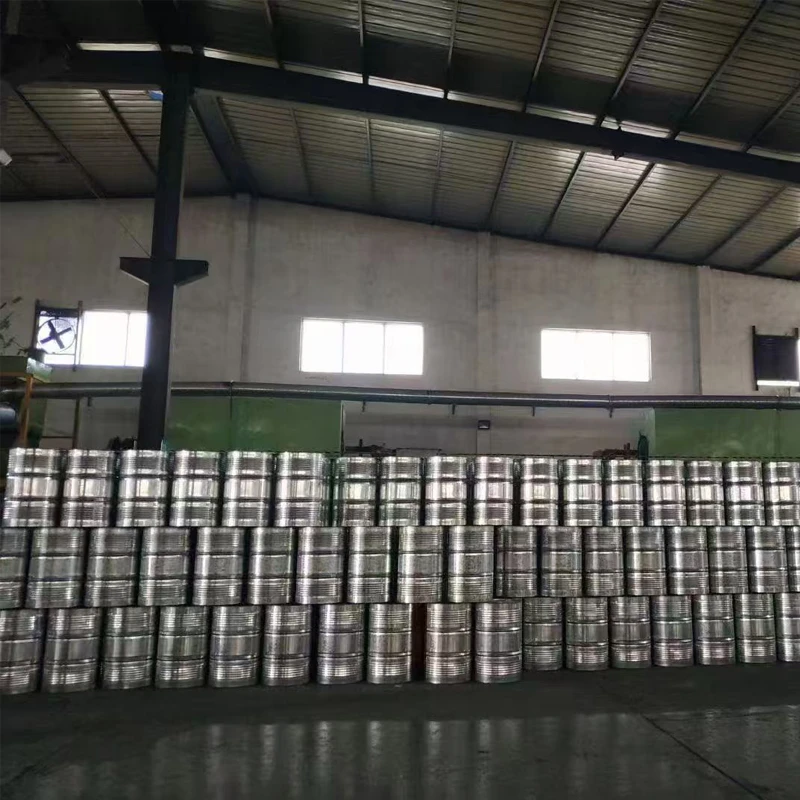
Raw materials: dimethylamine + ethylene oxide. Method: controlled ethoxylation, followed by neutralization/polishing, then fractionation via vacuum distillation to hit color and water specs. QC: GC purity, KF moisture, APHA color, and odor panel checks. Packaging: 180–200 kg drums or 900–1000 kg IBCs; nitrogen blanketed. Origin for this line: 80 Hainan Road, Shijiazhuang Economic and Technological Development Area.
Simple foam bench data (illustrative)
Polyether slabstock, 100 php polyol, 4.3 php water, 0.2 php silicone, 0.2 php Hegrecat DMEA (N, index 110. Results: cream 11–13 s, gel 110–125 s, rise 145–165 s; density 22–23 kg/m³. Compared to a purely blowing-lean amine, cream time was +2 s (steadier rise). Your system will vary with isocyanate and ambient conditions.
Advantages I keep hearing about
- Reaction-type behavior: integrates into PU network, less fugitive.
- Moderate catalytic strength: easier processing window, fewer surprises.
- Good solvency profile—plays nicely in mixed-solvent lines and waterborne systems.
Vendor comparison (indicative)
| Vendor | Purity | Water | Certs | Lead Time | Notes |
|---|---|---|---|---|---|
| Hegrecat DMEA (N | ≥99.0% | ≤0.20% | ISO 9001/14001, REACH-ready | ≈ 2–3 weeks | Balanced activity; low APHA |
| EU Supplier A | ≥99.0% | ≤0.30% | REACH, RoHS | ≈ 3–5 weeks | Premium grade, higher cost |
| Asia Supplier B | ≥98.5% | ≤0.50% | ISO 9001 | ≈ 1–3 weeks | Cost-optimized, color varies |
Customization and compliance
Custom cuts with tighter KF (≤0.10%) or low-odor polishing are doable. Blends with strong blowing catalysts can be tailored for rigid foam lines. Documentation typically includes COA, SDS (GHS), and food-contact or SVHC statements on request. I’ve seen consistent ISO 9001/14001 coverage, and REACH pre-registration where applicable.
Mini case studies
- Insulation board plant: swapped a highly volatile amine for Hegrecat DMEA (N; reported 8–12% drop in odor complaints and smoother density control.
- Waterborne acrylic line: using DMEA as neutralizer improved gloss holdout after 3 months storage; pH drift stayed within 0.2 units.
Handling note: flammable liquid; store under nitrogen, away from acids/oxidizers; use PPE and local exhaust. Follow SDS.
Authoritative references
- PubChem. N,N-Dimethylethanolamine (CAS 108-01-0) – physical/chemical data.
- ASTM D93, D1209, D445, E203 – commonly cited methods for flash point, color, viscosity, and water.
- Polyurethane catalysts overview, industry technical notes (e.g., supplier application bulletins for tertiary amines).