Inside the Modern Market for Hegrecat DMEA (N, N,N‑Dimethylethanolamine, CAS 108-01-0)
If you spend time in polyurethane plants or waterborne coatings labs, you know DMEA is one of those quietly indispensable molecules. To be honest, it’s rarely the headline act, but it shapes the performance of foams, resins, and inks more than many realize. The version sold as Hegrecat DMEA (N comes from 80 Hainan Road, Shijiazhuang Economic and Technological Development Area—and it’s earning attention for predictable catalysis without the runaway reactivity that keeps production managers up at night.
What it is and why it matters
Appearance: colorless to pale-yellow liquid. Chemically, DMEA carries a tertiary amine and a hydroxyl group—so it both catalyzes and, interestingly, can react into the polymer matrix. In polyurethane systems, Hegrecat DMEA (N gives a balanced kick to the isocyanate–polyol reaction and can neutralize trace acids, stabilizing other amines. Many customers say it “just behaves”—a small thing that’s huge at scale.
Typical specifications
| Parameter | Value (≈/typical) | Method |
|---|---|---|
| Purity (GC) | ≥ 99.0% (real-world may vary) | GC per internal SOP; cross-check ASTM practices |
| Water | ≤ 0.2% | Karl Fischer (ASTM E203) |
| Density @20°C | ≈ 0.89 g/cm³ | ASTM D4052 |
| Amine value | ≈ 560 mg KOH/g | Titration (ASTM D2074 or equivalent) |
| Flash point | ≈ 40–46°C (closed cup) | ASTM D93 |
| Appearance | Colorless–pale yellow, clear | Visual, APHA color |
Where it’s used (and why)
- PU flexible and semi-rigid foams (automotive seats, furniture)
- Waterborne coatings and metalworking fluids (neutralizing amine)
- Epoxy curing accelerator and ink pH adjuster
- Gas treating blends and corrosion inhibitor packages
Process flow (real-world shop-floor view)
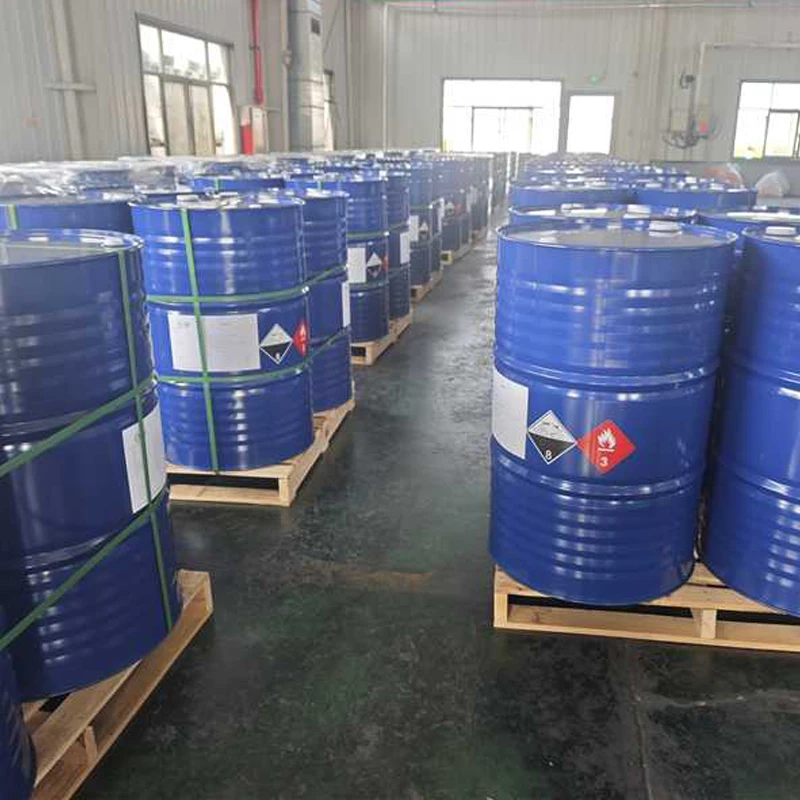
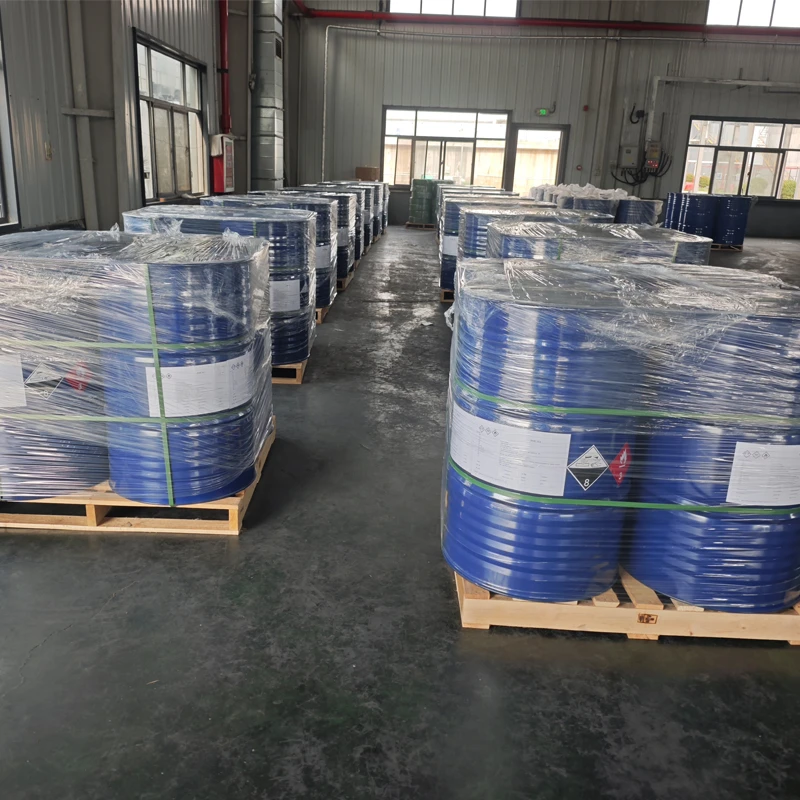
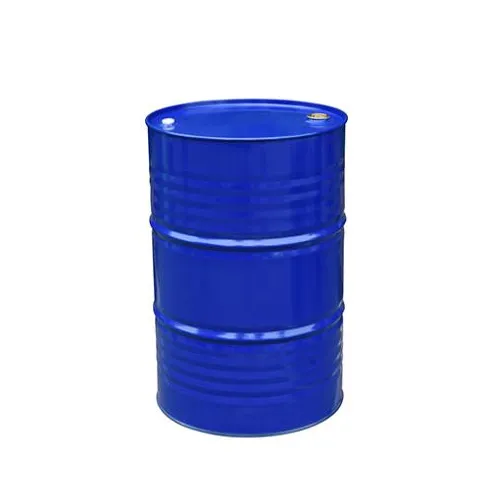
Materials: polyol, isocyanate, water/auxiliaries, Hegrecat DMEA (N, surfactant, optional co-catalyst (e.g., DMCHA). Methods: precondition materials to 20–25°C; meter Hegrecat DMEA (N at 0.1–1.0 pphp for flexible foams; mix 2–6 s at high shear; pour/mold; cure 24–72 h. Testing: cream/gel times (ISO 2555), core density (ISO 845), compressive strength (ISO 604), VOC by GC/MS, water per E203. Service life: typically 12–24 months in sealed metal drums or IBCs; keep dry (amine is hygroscopic). Industries: automotive, furniture, packaging, electronics potting, and industrial coatings.
Case notes from the field
Automotive foam line, Southeast Asia: switching to Hegrecat DMEA (N at 0.7 pphp cut cream time from ≈10.5 s to 8.9 s and stabilized rise profile; scrap dropped by ~3.2% over eight weeks. Another coater reported smoother pH control in a waterborne acrylic when using 0.6% DMEA, with gloss variation down by about 12%. Not lab miracles—just steady, bankable gains.
Customization and compliance
Buyers now ask for tighter water specs and tailored inhibitor packages. Hejia offers low-moisture grades (≤0.1% H2O), specific iron/copper limits, and custom labeling (GHS/CLP). Certifications include ISO 9001 for quality systems; REACH preregistration and RoHS statements available on request. SDSs conform to GHS; transport under UN 2051, with regional variations—always check local rules.
Vendor snapshot: how suppliers stack up
| Vendor | Purity | Lead time | QC/Testing | Compliance |
|---|---|---|---|---|
| Hejia Chemical Tech (Hegrecat DMEA (N) | ≥99.0% GC | 7–15 days (typical) | GC, KF, metals; COA with batch data | ISO 9001, GHS, REACH support |
| Distributor A | 98.5–99% | 2–4 weeks | COA on request | Standard SDS, limited REACH |
| Trader B | ≈98% | Variable | Basic specs | GHS only |
Trends to watch
Three things keep popping up in interviews: lower-VOC foam lines (favoring reaction-type catalysts like DMEA), transparency on trace metals, and digital COAs tied to batch QR codes. Actually, customers also want practical guidance—like “how do I keep pot life while trimming amine odor?” The answer is often modest: blend Hegrecat DMEA (N with a delayed-action catalyst and tighten moisture control.
Customer feedback
“Balanced, forgiving, and consistent,” says a plant chemist in Poland. Another buyer told me, “It just lets the surfactant do its job.” Not scientific, sure—but consistency is the new premium.
Safety note
Corrosive and flammable; use local exhaust, gloves, goggles. Store under nitrogen where possible; avoid acids and oxidizers. Follow SDS and local regulations.
References
- PubChem Compound Summary: N,N-Dimethylethanolamine (CAS 108-01-0).
- ECHA Dissemination Portal: N,N-Dimethylethanolamine registration dossier.
- ASTM Standards: D4052 (Density), D93 (Flash Point), E203 (Water), D2074 (Amine Value).
- Oertel, G. Polyurethane Handbook, 2nd ed., Hanser Publishers.