Inside the catalyst: what Hegrecat MC115 really does for rigid PU foam
If you spend any time on a foam line, you know the catalyst can make or break the shift. Hegrecat MC115 has been making the rounds in technical chats because it threads a tricky needle: steady processing window without sacrificing cure. It’s a potassium‑octoate solution in diethylene glycol—on paper that sounds standard; in practice, the balance feels… pleasantly forgiving.
Why it’s trending
Industry trendline first: more PIR/PUR hybrids, lower free‑isocyanate emissions, tighter dimensional stability targets, and yes—more recycled content in polyols. Catalysts must be tolerant to variable polyol acidity and surfactant loads. Many customers say Hegrecat MC115 behaves consistently across those swings, especially in appliance and panel lines where ambient drifts from 18–30°C. To be honest, that consistency is half the battle.
What it is (and how it acts)
Hegrecat MC115 is a colorless to pale yellow liquid, a potassium 2‑ethylhexanoate (often called K‑octoate) carried in diethylene glycol. The K‑salt nudges isocyanate reactions (urethane and, in higher‑index systems, isocyanurate formation), while the DEG carrier smooths miscibility and dosing. Net effect: balanced cream time and gel profile, with better control of nucleation—more uniform cell structure, fewer coarse pockets.
Typical specifications (indicative)
| Property | Typical value ≈ | Test/Method |
|---|---|---|
| Appearance | Colorless–pale yellow liquid | Visual |
| Active potassium (as K) | around 2–4 wt% (real-world batches may vary) | ICP-OES |
| Viscosity @25°C | ≈ 150–350 mPa·s | ISO 3219 |
| Water content | < 0.2 wt% | Karl Fischer |
| Density @25°C | ≈ 1.03–1.08 g/cm³ | ISO 2811 |
Where it fits: application scenarios
- Rigid PUR/PIR foam for refrigerators, freezers, cold rooms
- Sandwich panels and boardstock (continuous lines, 180–300 index)
- Pipe insulation and block foam; occasional use in spray foam with co‑catalysts
Customer feedback snapshot: “Gives us 5–10 s more cream without blowing out density,” a panel line manager told me. Another said cell uniformity improved when switching from a strong tertiary amine to Hegrecat MC115 plus a mild amine co‑catalyst.
Process flow (practical)
Materials: MDI (or polymeric MDI), polyol blend, blowing agent (pentane/water), silicone surfactant, Hegrecat MC115, flame retardant, pigments.
Method: Pre‑dry/condition components; premix polyol stream; meter at set index; high‑shear mix (≈2–3 s); pour/distribute; free rise or mold; cure to tack‑free then post‑cure as needed.
Testing standards: Density (ISO 1923/ASTM D1622), compressive strength (ASTM D1621), closed‑cell content (ISO 4590), dimensional stability (ASTM D2126), thermal conductivity (ISO 8301).
Service life: 15–30 years for building insulation and appliances, assuming enclosure sealing and typical temperature cycling.
Indicative foam data (lab, n=3)
- Core density: 34–36 kg/m³ (ISO 1923)
- k‑factor: 0.022–0.024 W/m·K at 10°C (ISO 8301)
- Closed cells: 88–93% (ISO 4590)
- Dimensional stability: ΔV ≤ 1.5% at 70°C/7d (ASTM D2126)
Vendor comparison (quick take)
| Feature | Hegrecat MC115 | Generic K‑octoate | Tertiary amine (TEDA) |
|---|---|---|---|
| Selectivity (iso vs water) | Leans isocyanate; stable cream | Variable by batch | Strong blow; faster cream |
| Cell uniformity | Fine, consistent | Mixed results | May coarsen without K‑salt |
| Odor/Volatility | Low | Low–medium | Medium |
| Processing window | Comfortably wide | Unpredictable | Narrower without K booster |
Customization, logistics, and compliance
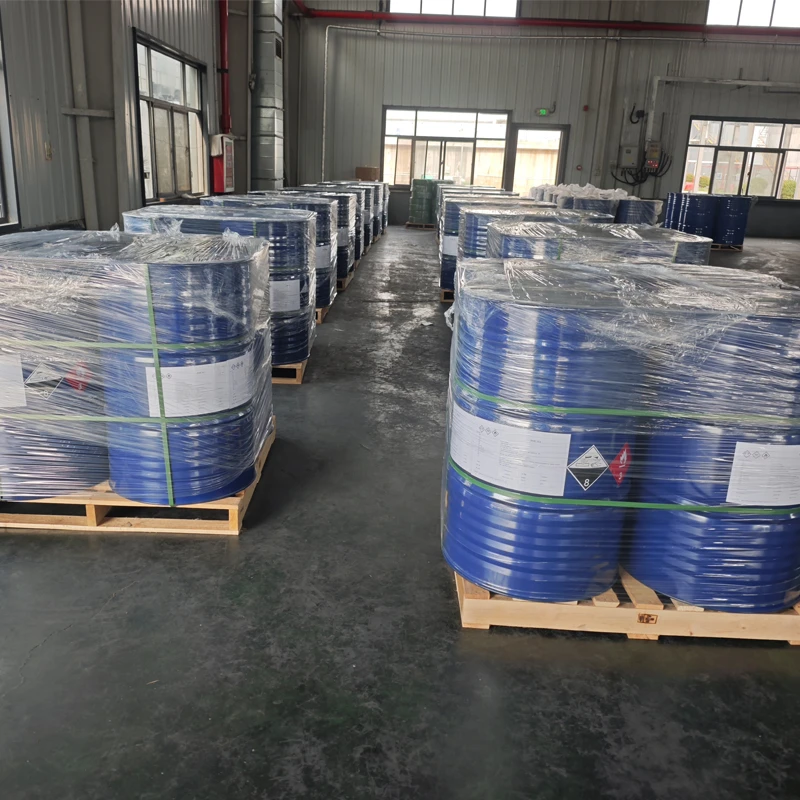
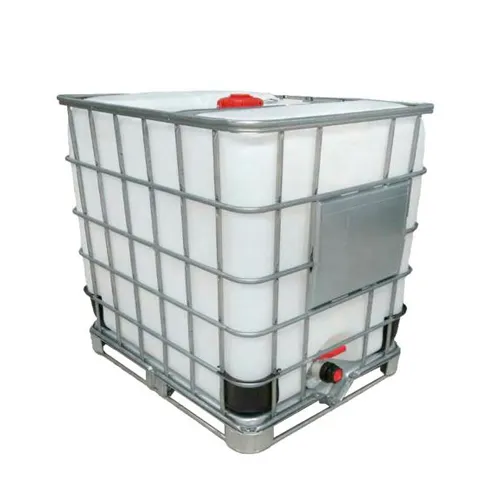
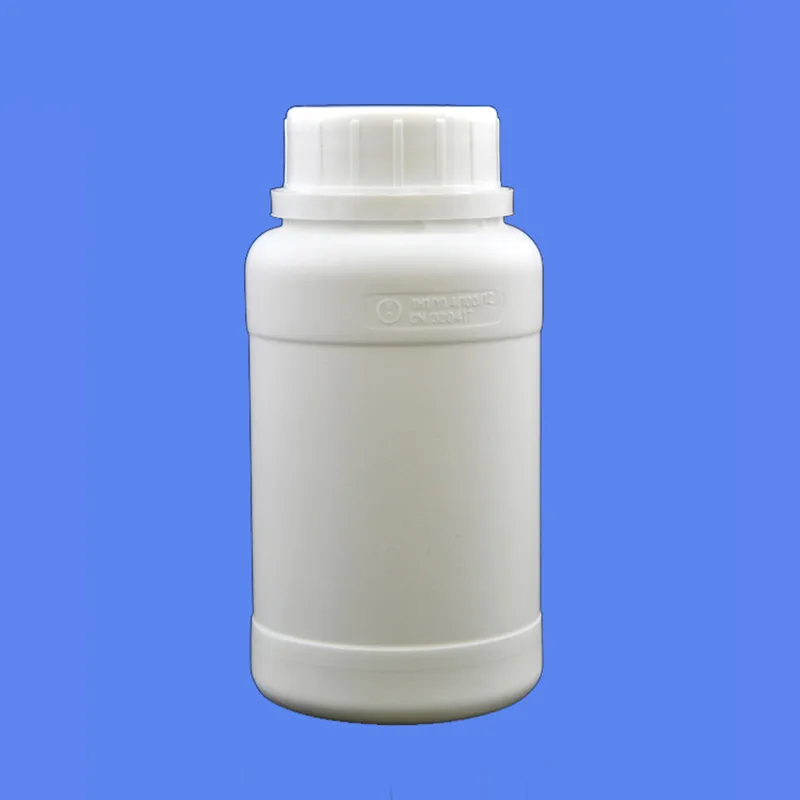
Hegrecat MC115 can typically be tailored for potassium activity, moisture spec, and inhibitor package to fit PIR indices. Origin: 80 Hainan Road, Shijiazhuang Economic and Technological Development Area. Certifications/support documents available on request: safety data sheet, food‑contact disclaimers (where applicable), and regulatory statements (RoHS/REACH). Always validate in your own formulation—real‑world use may vary.
Case notes (field)
- Appliance plant trimmed scrap ≈ 3% after switching, attributed to more uniform rise height.
- Panel line raised line speed 5–7% while maintaining core density and edge fill.
Handling
Store sealed, 5–30°C; protect from moisture and CO₂ uptake. Meter with stainless gear pumps; purge lines if idle. Observe standard PU safety protocols.
References
- ISO 1923: Rigid cellular plastics — Determination of apparent density.
- ASTM D1621: Standard Test Method for Compressive Properties of Rigid Cellular Plastics.
- ISO 4590: Rigid cellular plastics — Determination of the volume percentage of open and closed cells.
- ASTM D2126: Standard Test Method for Response of Rigid Cellular Plastics to Thermal and Humid Aging.