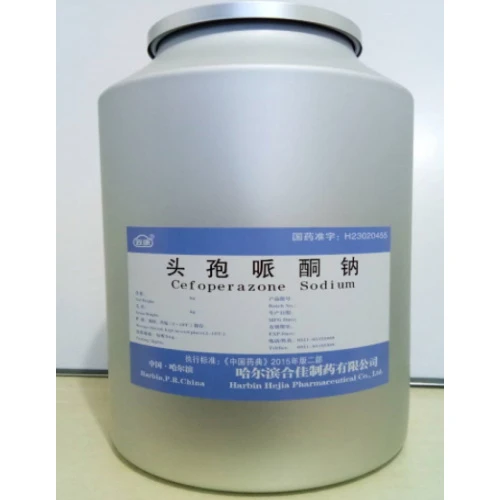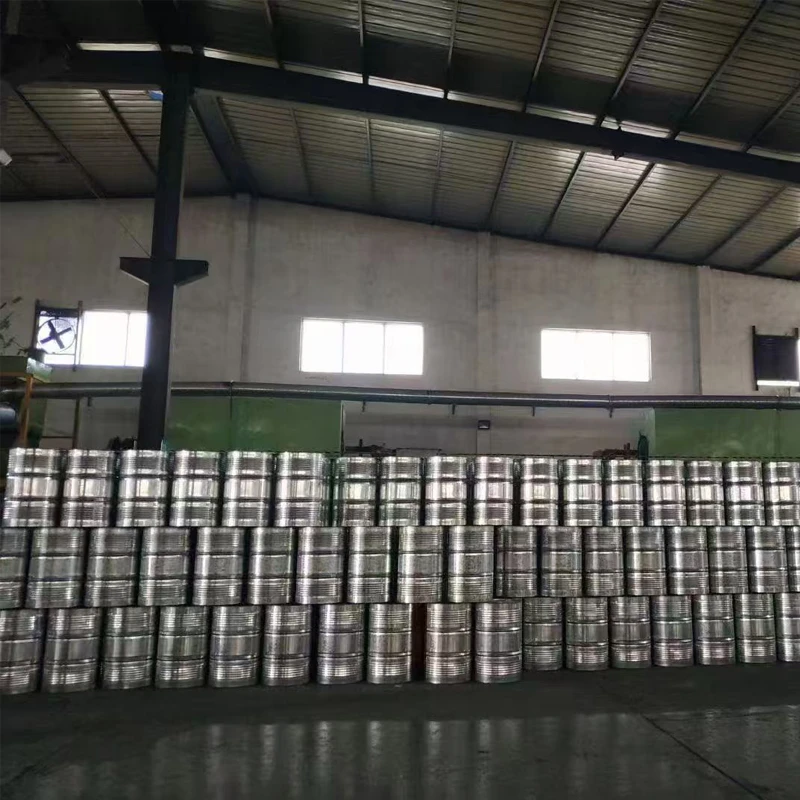
Real‑world look at Hegrecat TCPP Tris (2-Chloro-1-Methylethyl) Phosphate CAS:13674-84-5
If you build polyurethane systems for furniture, insulation, or transportation, you already know the conversation has shifted: consistent flame performance, low viscosity for smooth processing, and documentation that won’t slow audits. That’s where, to be honest, this TCPP tends to show up in spec sheets again and again.
What it is (and why users keep it in the toolbox)
Hegrecat TCPP Tris (2-Chloro-1-Methylethyl) Phosphate CAS:13674-84-5 is an additive, low‑molecular‑weight halogen‑phosphorus flame retardant for PU foams and more. It’s a colorless, transparent liquid with notably low viscosity (≈60–70 mPa·s at 25 °C), so dosing and dispersion are straightforward. It carries ≈9.5% phosphorus and ≈32.5% chlorine, supporting gas‑phase and condensed‑phase flame inhibition. In fact, many customers say it’s the “steady” choice when switching formulations across plants.
Quick specification snapshot
| Property | Typical value (≈) | Method / notes |
|---|---|---|
| Appearance | Colorless transparent liquid | Visual |
| Phosphorus content | 9.3–9.8% | Elemental analysis |
| Chlorine content | 32–33% | Elemental analysis |
| Viscosity (25 °C) | 60–70 mPa·s | ISO 3219 |
| Water content | ≤0.10% | Karl Fischer |
| Density (25 °C) | ≈1.27–1.29 g/cm³ | ISO 2811 |
Where it’s used
- Rigid PU insulation foams (panels, spray foam) aiming for ASTM E84 and EN 13501‑1 performance.
- Flexible PU foams in furniture and bedding (BS 5852, TB 117‑2013 discussions, always check local rules).
- Automotive interiors and sound‑deadening foams (FMVSS 302), cable fillers, coatings.
Process flow (how teams actually run it)
Materials: polyol blend, isocyanate (MDI/TDI), blowing agent, surfactant, catalysts, Hegrecat TCPP Tris (2-Chloro-1-Methylethyl) Phosphate CAS:13674-84-5.
- Dose TCPP into the polyol side: typical 10–20 php for rigid systems; 5–12 php for flexible (real‑world use may vary).
- Blend to uniformity; target moisture control ≤0.1% to protect cell structure.
- React with ISO under standard conditions; cure per your profile.
- Test panels for UL 94 (where applicable), ASTM E84 flame spread/smoke, compression/IFD, and dimensional stability.
Service life: in closed‑cell PU, flame performance contribution typically remains stable for many years (≈10–20), assuming normal environmental exposure and good formulation practice.
Vendor snapshot (what buyers usually compare)
| Attribute | Hegrecat TCPP | Generic A | Generic B |
|---|---|---|---|
| Phosphorus spec consistency | ±0.2% (typ.) | ±0.4% (est.) | ±0.3% (est.) |
| Hydrolytic stability | Improved in humid lines | Standard | Standard |
| Documentation | CoA + SDS + RoHS/REACH statements | CoA + SDS | CoA only |
| Lead time | ≈2–4 weeks | ≈4–6 weeks | Varies |
Customization and compliance
- Tailored moisture spec and inhibitor package for sensitive PU systems.
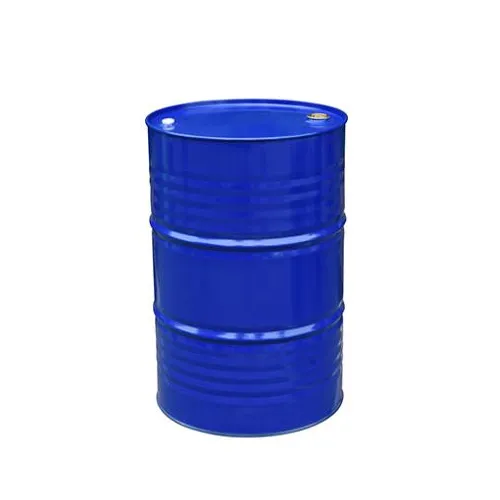
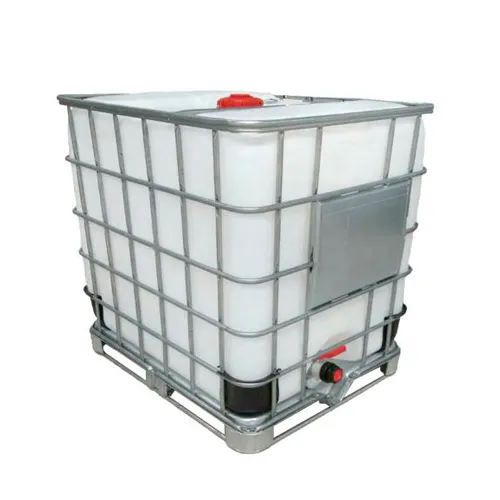
- Packaging: 200 kg drums or IBCs; other sizes on request.
- Regulatory support: RoHS and REACH statements, and testing support toward UL 94, FMVSS 302, ASTM E84 target specs.
Field notes and mini case studies
Furniture OEM, Spain: swapped in Hegrecat TCPP Tris (2-Chloro-1-Methylethyl) Phosphate CAS:13674-84-5 at 8 php. Reported steadier viscosity control and fewer foam defects during humid weeks. “Less fiddling with surfactant,” they told me.
Panel producer, Gulf region: rigid PU with 16 php TCPP aimed for ASTM E84 Class A. After iterative tweaking (surprisingly minor), achieved required flame spread/smoke targets while keeping lambda performance steady.
Origin and contact
Origin: 80 Hainan Road, Shijiazhuang Economic and Technological Development Area. Many buyers appreciate the responsive tech docs—small thing, but it speeds audits.
Authoritative references
- UL 94, Tests for Flammability of Plastic Materials.
- ASTM E84, Standard Test Method for Surface Burning Characteristics of Building Materials.
- FMVSS 302, Flammability of Interior Materials.
- ECHA REACH guidance on flame retardants and dossier data for TCPP (Tris(2‑chloro‑1‑methylethyl) phosphate).
- ISO 3219 and ISO 2811 test methods for viscosity and density.