TEDA catalyst in 2025: fast, precise, and surprisingly forgiving in foam lines
If you work with polyurethane, you already know the “click” moment when the gel and blow balance lands just right. That’s where Hegrecat TEDA (Triethylene Diamine) CAS:280-57-9 earns its keep. It’s the classic bicyclic amine catalyst—highly nucleophilic, quick on the trigger, and, to be honest, more tunable than newcomers give it credit for.
Why the market still loves TEDA
Industry trend-watch: flexible foam producers want higher throughput with lower scrap, while insulation board makers chase tighter cell structure for lambda performance. Hegrecat TEDA (Triethylene Diamine) CAS:280-57-9 accelerates both gelation and blowing, so lines run faster without collapsing cell walls—when you dial the ratio. Many customers say it “widens the process window,” which sounds like marketing until you see smoother rise profiles and fewer edge defects.
Technical snapshot and specs
Appearance: colorless to pale-yellow liquid (yes, handled as a liquid grade for easier metering). The bicyclic structure (DABCO) drives the isocyanate–polyol reaction efficiently and boosts cross-link density—better tensile, tear, and compression performance in the final PU.
| Parameter | Typical value (≈) | Method/Note |
|---|---|---|
| Active TEDA content | ≈ 30–33 wt% (liquid grade) | Supplier COA; real-world use may vary |
| Color (APHA) | ≤ 40 | ASTM D1209 |
| Water | ≤ 0.5% | Karl Fischer |
| Density (20°C) | ≈ 1.01 g/mL | ASTM D4052 |
| Viscosity (25°C) | ≈ 120–160 mPa·s | ASTM D2196 |
| Flash point | ≈ 110–120°C | Closed cup |
| Shelf life | 12 months sealed | Dry, cool storage |
Where it shines
- Flexible slabstock and molded foam: smoother rise, fewer pinholes (ASTM D3574 targets).
- Rigid PIR/PUR insulation: tighter cells, improved compressive (ASTM D1621) and density (ASTM D1622).
- CASE: faster tack-free in coatings/adhesives; cleaner cure on complex geometries.
Process flow we see on real lines
Materials: polyols, isocyanates (MDI/TDI), water/blowing agent, surfactant, Hegrecat TEDA (Triethylene Diamine) CAS:280-57-9, plus auxiliaries.
Methods: metered dosing (inline), 15–25°C feed, mix time 2–6 s, rise monitoring, cure per spec.
QA and testing: density and hardness (ASTM D3574), compression set, cell structure via optical imaging, thermal conductivity for rigid foam.
Service life: end-product durability depends on density and cross-link—typical mattresses 5–8 years; PIR boards 20+ years under normal service.
Vendor landscape vs. Hegrecat
| Vendor | Grade | Actives ≈ | Lead time | Tech support |
|---|---|---|---|---|
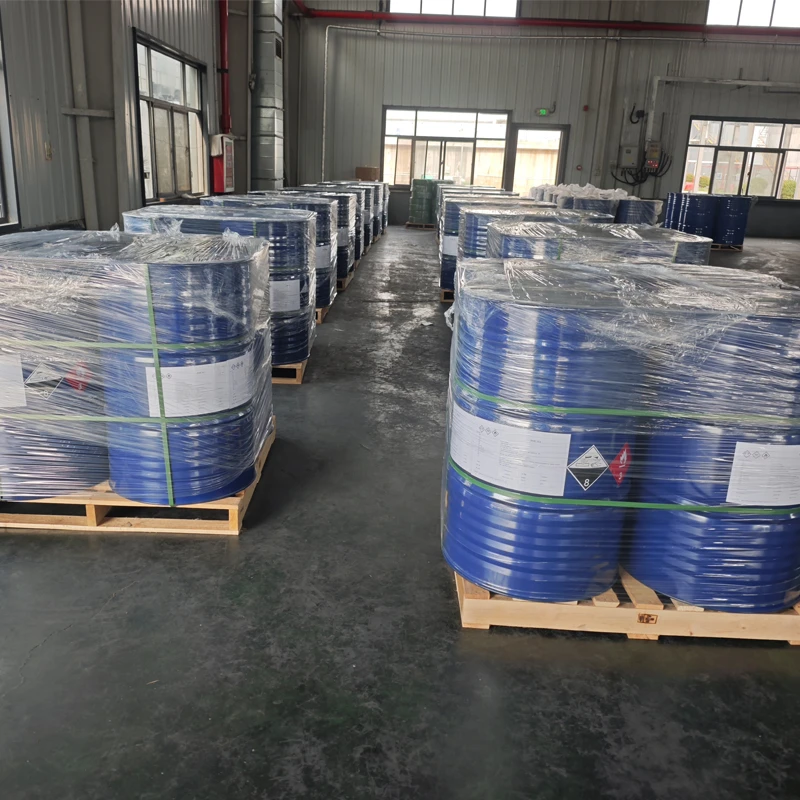
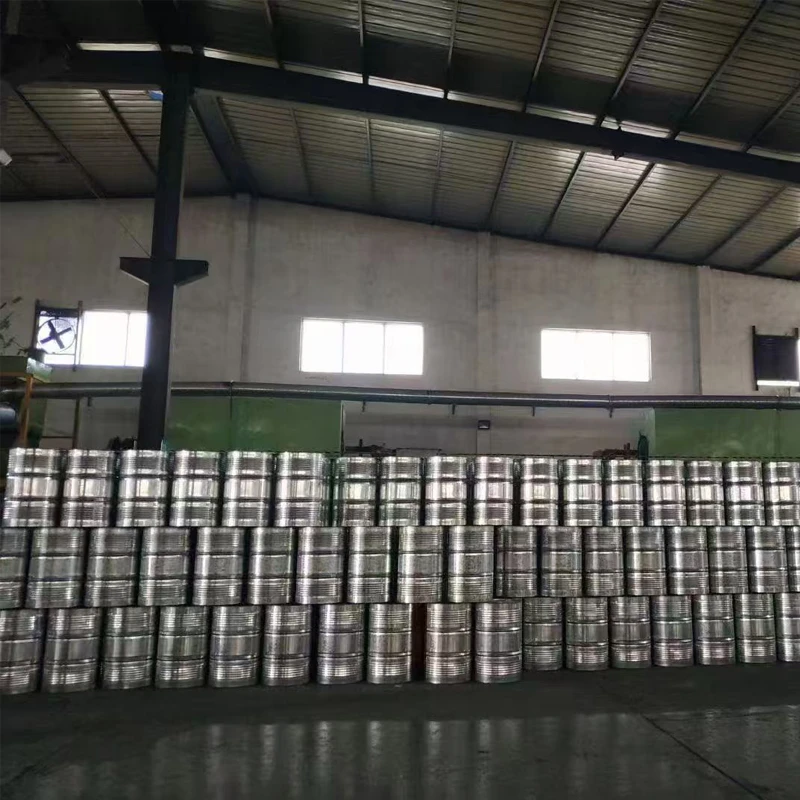
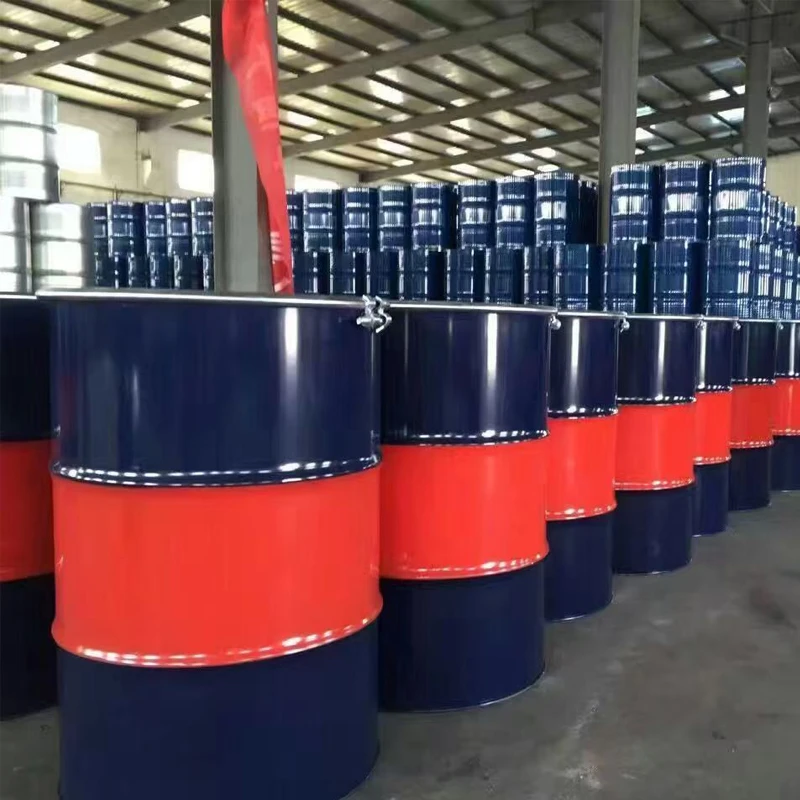
| Hegrecat (Origin: 80 Hainan Rd., Shijiazhuang ETDZ) | TEDA liquid | 30–33% | ≈ 1–2 weeks | Formulation tuning, on-site trials (by request) |
| Huntsman | DABCO 33-type | ≈ 33% | 2–4 weeks | Global tech centers |
| Evonik | Ortegol/TE series | ≈ 30–33% | 2–3 weeks | Application labs |
| BASF | Lupragen-type | ≈ 30–33% | 2–4 weeks | Regional support |
Customization and compliance
- Custom activity: adjusted actives for slower/fast cream time; matched to surfactant package.
- Certifications: ISO 9001, ISO 14001; REACH- and RoHS-conscious supply. SDS and CoA per batch.
- Safety: amine odor—use local exhaust; follow GHS handling and PPE. Simple but important.
Two quick case notes
- Mattress plant (slabstock): swapping to Hegrecat TEDA (Triethylene Diamine) CAS:280-57-9 improved rise uniformity; scrap down ~1.3%, ILD spread tightened vs. prior lot.
- PIR board line: with cyclopentane blowing, small tweak in TEDA-to-trimer catalyst ratio gave 4–6% lower k-value at equal density. Not bad for a one-day trial.
Final thought: catalysts rarely get credit when things go right. This one quietly does the work.
Authoritative citations
- ASTM D3574 – Standard Test Methods for Flexible Cellular Materials—Slab, Bonded, and Molded Urethane Foams.
- ECHA Substance Information: Triethylenediamine (CAS 280-57-9) – Registration dossier and hazard data.
- PubChem: 1,4-Diazabicyclo[2.2.2]octane (TEDA/DABCO), CAS 280-57-9 – chemical properties and identifiers.
- ISO 9001:2015 – Quality Management Systems requirements for consistent manufacturing and QA.