A Closer Look at Hegrecat TEDA (Triethylene diamine) CAS:280-57-9
If you make polyurethane foams or elastomers, you’ve almost certainly bumped into TEDA. To be honest, it’s one of those “tiny dose, huge impact” catalysts that either keeps the line humming—or, when off-spec, makes a long night even longer. In day-to-day production, Hegrecat TEDA (Triethylene diamine) CAS:280-57-9 has built a reputation for steady activity and tidy processing behavior.
What makes it tick? That bicyclic diamine structure is highly nucleophilic, so it accelerates both gel and blow reactions between isocyanates and polyols. Actually, the trick is balance: too much gel and you strangle cell growth; too much blow and you get collapse. Many customers say this grade lands in the sweet spot, especially in molded seating and rigid panels where uniform cell structure matters.
Key Specifications
| Appearance | Colorless to pale yellow liquid |
| Assay (TEDA) | ≥ 99.0% (GC), real-world use may vary |
| Water | ≤ 0.5% (Karl Fischer) |
| Amine value | ≈ 730 mg KOH/g |
| Recommended dosage | 0.05–0.30 php (parts per hundred polyol), process-dependent |
| Origin | 80 Hainan Road, Shijiazhuang Economic and Technological Development Area |
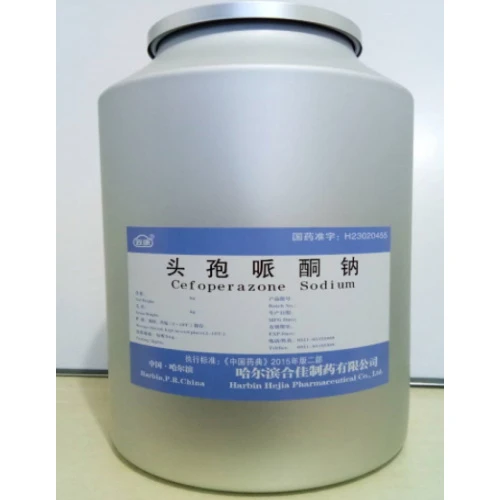
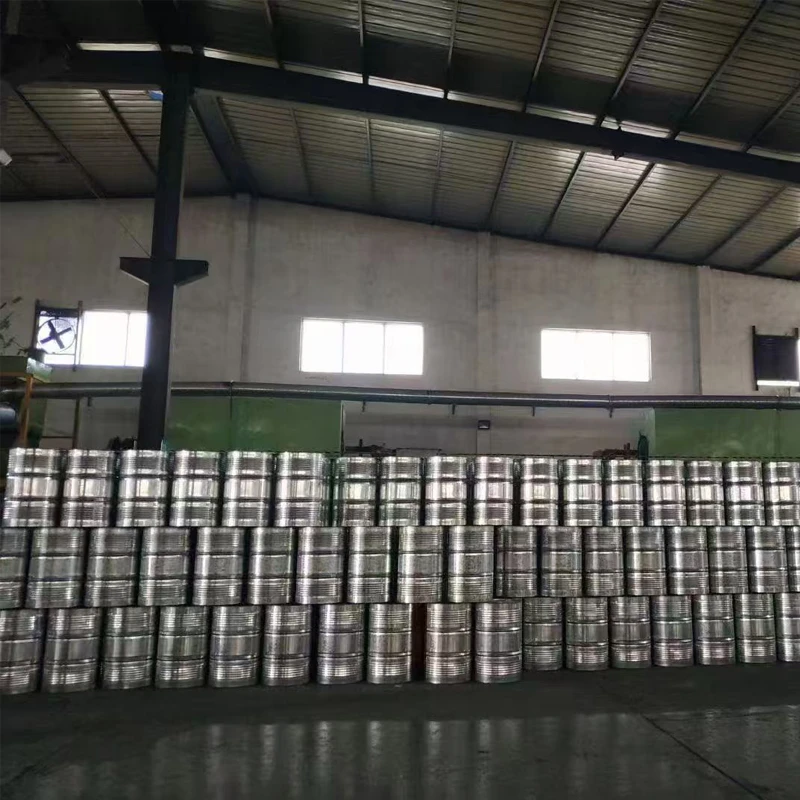
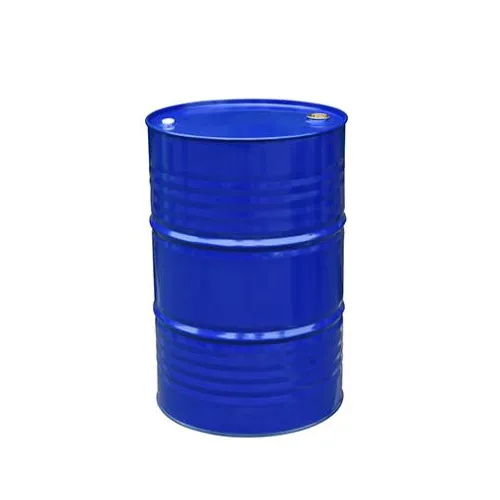
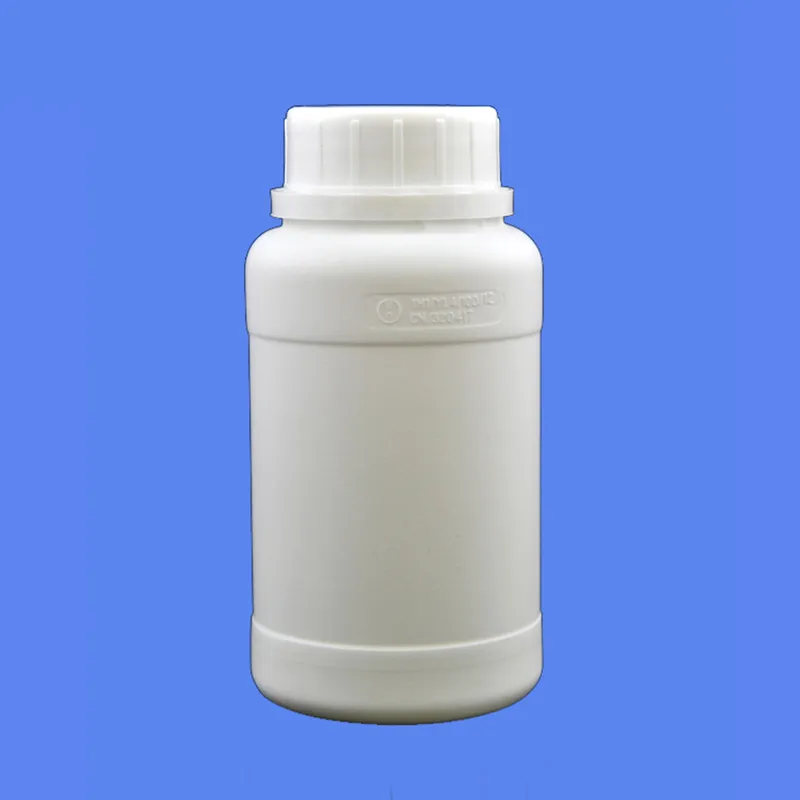
| Packaging | 25 kg drum, 200 kg drum, IBC; nitrogen-blanketed recommended |
Where it shines
- Flexible molded foam (automotive seats, furniture cushions)
- Rigid foam (insulation boards, appliance foam)
- Semi-rigid foam, microcellular elastomers, footwear midsoles
- Adhesives and sealants requiring controlled gel time
Process flow (quick but practical)
Materials: polyols, isocyanates (MDI/TDI), water or blowing agent, surfactant, Hegrecat TEDA (Triethylene diamine) CAS:280-57-9, optional co-catalysts and fillers.
Method: precondition raw materials (20–25°C), meter into mixhead, add TEDA at 0.05–0.30 php, target cream time per spec; mold/pour; demold and post-cure as needed.
Testing standards: ASTM D3574 (foam: ILD, density, compression set), ISO 2796 (apparent density), ISO 845 (closed cell), and VOC/odor per OEM specs.
Service life: foams typically 5–15 years depending on density, heat, and UV exposure.
Why users pick this grade
- Balanced gel/blow profile for uniform cell structure
- Predictable reactivity (good for multi-cavity molds)
- Low color and consistent lot-to-lot GC fingerprints
- Customizable activity via blends or inhibitor level, if required
Vendor comparison (indicative)
| Vendor | Purity | Water | Lead time | Customization | Compliance |
|---|---|---|---|---|---|
| Hejia Chemical Tech (Hegrecat) | ≥99% | ≤0.5% | 7–15 days | Yes (activity, blends, pack) | ISO 9001, REACH-ready |
| Evonik (DABCO 33-LV) | ≥99% | ≤0.5% | Stock/forecast dependent | Limited | Global registrations |
| Huntsman (JEFFCAT TEDA) | ≈99% | ≤0.6% | 2–4 weeks | On request | Major OEM specs |
Data above are indicative; check COA/TDS for procurement decisions.
Real-world results (snapshot)
Automotive seating plant switched to Hegrecat TEDA (Triethylene diamine) CAS:280-57-9 at 0.12 php. Under ASTM D3574:
- Density: 52 ± 2 kg/m³
- 25% ILD: 210 ± 15 N
- Compression set (50%/22h/70°C): 4.8% avg
- Scrap rate dropped ≈ 12% over three weeks, according to the plant’s QA logs
Feedback was pretty down-to-earth: “more predictable cream time, fewer edge defects.” Not glamorous—but that’s what you want at 3 a.m. on a Monday.
Customization and support
Custom inhibitor level for longer cream times, solvent-free or diluted blends for easier dosing, and packaging choices (drum/IBC) are available. Compliance support: ISO 9001 QMS, SDS in multiple languages, REACH/TSCA readiness, and lot traceability.
Safety and handling (brief)
Store cool and dry, nitrogen blanket advisable. Use proper PPE; amines can be corrosive and odorous. Follow SDS for ventilation and spill response.
Industries served
Automotive interiors, furniture and bedding, building insulation, appliances, footwear, and specialty adhesives.
Citations
- ASTM D3574 – Standard Test Methods for Flexible Cellular Materials—Slab, Bonded, and Molded Urethane Foams.
- ISO 9001:2015 – Quality management systems—Requirements.
- REACH Regulation (EC) No 1907/2006 – Registration, Evaluation, Authorisation and Restriction of Chemicals.
- Randall, D., & Lee, S. (eds.). The Polyurethanes Book, 2nd ed., Wiley.