Industry Trends and the Imperative Role of Triethylene Diamine
The global chemical industry, particularly the sector driving polyurethane production, is experiencing dynamic growth, propelled by advancements in materials science and an increasing demand for high-performance, sustainable solutions across diverse applications. From automotive components and construction insulation to furniture and footwear, polyurethanes offer unparalleled versatility and efficiency. At the heart of this expansion lies the critical role of catalysts, which dictate reaction kinetics, product quality, and process efficiency. Among these, Triethylene diamine, commonly known as TEDA or DABCO, stands out as a foundational tertiary amine catalyst.
Current industry trends emphasize several key areas: enhanced energy efficiency in manufacturing processes, the development of eco-friendly formulations with reduced volatile organic compounds (VOCs), and the demand for catalysts that offer superior selectivity and broad processing latitudes. Manufacturers are seeking solutions that not only accelerate reactions but also contribute to a more uniform cell structure in foams, improved adhesion in coatings, and greater strength in elastomers. It is within this demanding landscape that the precise and reliable performance of a high-quality TEDA, such as Hegrecat TEDA (Triethylene diamine) CAS:280-57-9, becomes indispensable. Its unique bicyclic structure ensures exceptional catalytic activity and broad compatibility, making it a cornerstone for achieving optimal results in a wide array of polyurethane systems.
The Manufacturing Process of Hegrecat TEDA (Triethylene diamine) CAS:280-57-9
The production of high-purity Hegrecat TEDA (Triethylene diamine) CAS:280-57-9 is a testament to advanced chemical engineering, demanding stringent control over raw material quality, reaction conditions, and purification steps. Our process is meticulously designed to ensure superior product consistency and performance, adhering to the highest global standards.
Key Stages of Production:
-
1. Raw Material Sourcing & Pre-treatment:
We begin with carefully selected primary amines, often ethylenediamine (EDA) or diethylenetriamine (DETA), and specific formaldehyde derivatives. These materials undergo rigorous quality checks to meet our internal specifications, which frequently exceed standard industry benchmarks. Pre-treatment ensures the removal of impurities that could affect reaction kinetics or final product purity.
-
2. Cyclization and Synthesis:
The core synthesis involves a cyclization reaction under precisely controlled temperature and pressure, often in the presence of proprietary catalysts. This step forms the distinctive bicyclic structure of TEDA (1,4-diazabicyclo[2.2.2]octane). The reaction mechanism is carefully optimized to maximize yield and minimize undesirable side reactions, which can lead to by-products and reduce catalyst efficiency.
-
3. Purification and Isolation:
Following synthesis, the crude product undergoes multi-stage purification. This typically involves distillation, crystallization, and solvent extraction techniques to separate Hegrecat TEDA (Triethylene diamine) CAS:280-57-9 from unreacted raw materials, solvents, and any by-products. Our advanced purification protocols, including vacuum distillation and multi-pass crystallization, are critical for achieving the high assay and low impurity levels characteristic of our product.
-
4. Drying and Particle Size Control:
The purified TEDA is then dried to remove residual moisture, which is crucial for maintaining stability and reactivity. For solid forms, precise control over particle size distribution is achieved through milling and sieving, ensuring excellent flowability and ease of handling for our customers.
-
5. Quality Assurance and Packaging:
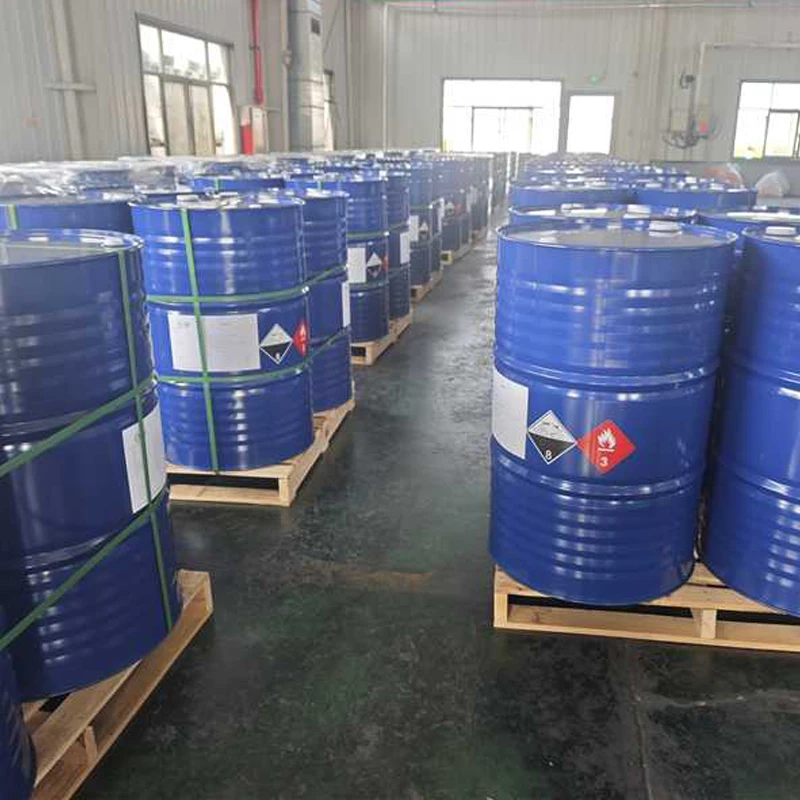
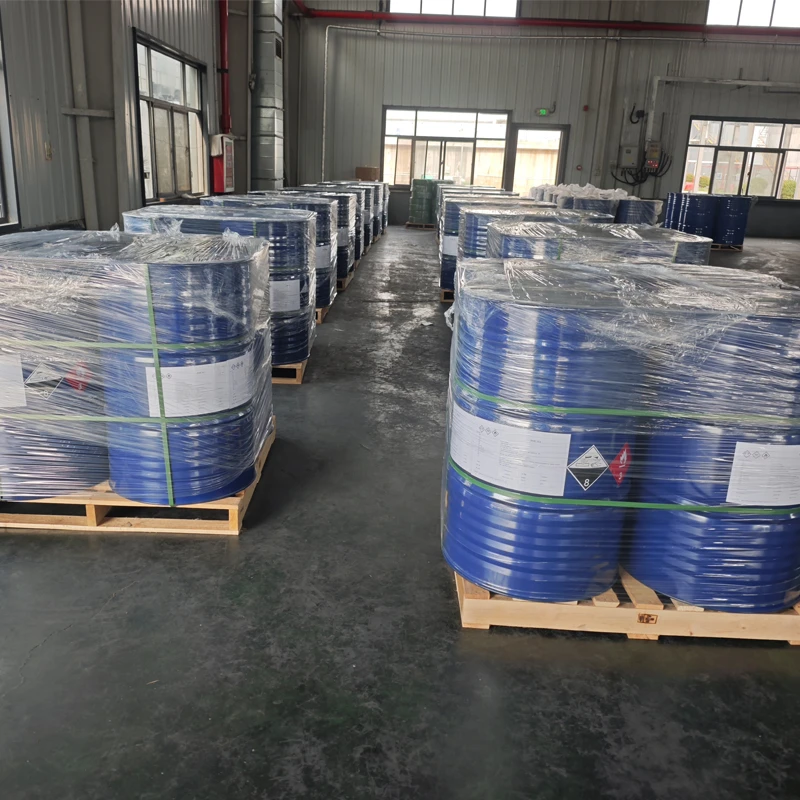
Each batch undergoes rigorous quality control testing in our state-of-the-art laboratories. This includes assays for purity, moisture content, melting point, and color, all conducted in accordance with international standards such as ISO and internal Hegrecat specifications. Once approved, the product is carefully packaged in sealed container111s to prevent contamination and maintain its integrity during storage and transport. Our packaging processes are designed to extend the service life of the product and ensure its quality upon arrival.
Target Industries and Application Advantages:
While primarily serving the polyurethane industry (flexible foams, rigid foams, coatings, adhesives, sealants, elastomers), the purity and consistent catalytic activity of Hegrecat TEDA (Triethylene diamine) CAS:280-57-9 also find utility in specialized petrochemical processes and fine chemical synthesis where a highly efficient, non-corrosive amine catalyst is required. Its advantages in typical application scenarios include:
- Energy Saving: By accelerating the polyurethane reaction, Hegrecat TEDA allows for faster demolding times and lower energy consumption in curing, leading to significant operational cost reductions.
- Process Efficiency: Its high catalytic activity ensures rapid cream and gel times, optimizing production throughput and reducing cycle times.
- Product Quality: Contributes to a fine and uniform cell structure in foams, excellent mechanical properties in elastomers, and improved surface finish in coatings, thereby enhancing overall product performance and extending service life.
- Broad Compatibility: Effective across a wide range of polyol and isocyanate systems, offering flexibility for diverse formulations without compromising performance.
- Reduced Emissions: The high purity and controlled manufacturing process ensure minimal presence of unwanted by-products, contributing to lower VOC emissions in end-user applications.
Technical Specifications and Performance Parameters
The performance characteristics of Hegrecat TEDA (Triethylene diamine) CAS:280-57-9 are defined by stringent technical specifications, ensuring its consistent effectiveness as a potent polyurethane catalyst. These parameters are not merely numbers; they represent the meticulous control exercised throughout our manufacturing process and our commitment to delivering superior quality.
Key Technical Parameters:
Triethylene diamine (TEDA), with its CAS number 280-57-9, is a bicyclic amine characterized by its high basicity and unique steric structure, which enables it to effectively catalyze both the urethane (polyol-isocyanate) reaction and the urea (water-isocyanate) reaction. Its high pKb value of 6.2 makes it one of the most active amine catalysts available. The following table details the typical specifications for Hegrecat TEDA:
| Parameter | Unit | Typical Value | Test Method |
|---|---|---|---|
| Appearance | - | White crystalline solid | Visual |
| Assay (Purity) | % | ≥ 99.5 | GC (Gas Chromatography) |
| Moisture Content | % | ≤ 0.2 | Karl Fischer |
| Melting Point | °C | 156-159 | DSC (Differential Scanning Calorimetry) |
| Color (APHA) | - | ≤ 20 | ASTM D1209 |
| Density (25°C) | g/cm³ | 1.14 | ASTM D4052 |
| Solubility | - | Soluble in water, alcohols, glycols, most organic solvents | Observation |
These specifications are crucial for B2B decision-makers and engineers because they directly correlate with product performance, batch-to-batch consistency, and overall process reliability. A higher assay ensures maximum catalytic activity per unit weight, while low moisture content prevents unwanted side reactions and maintains product stability. The melting point range indicates purity, and controlled color ensures the catalyst does not impart undesirable discoloration to the final polyurethane product.
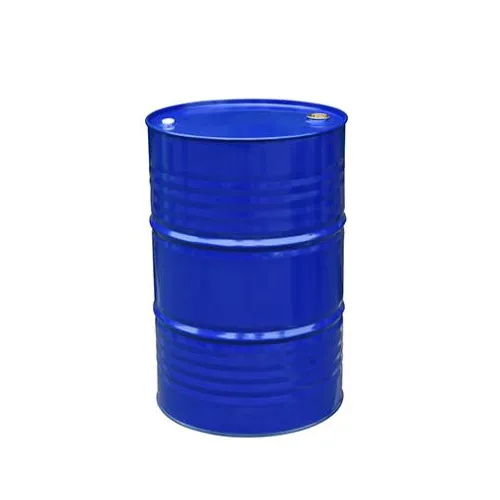
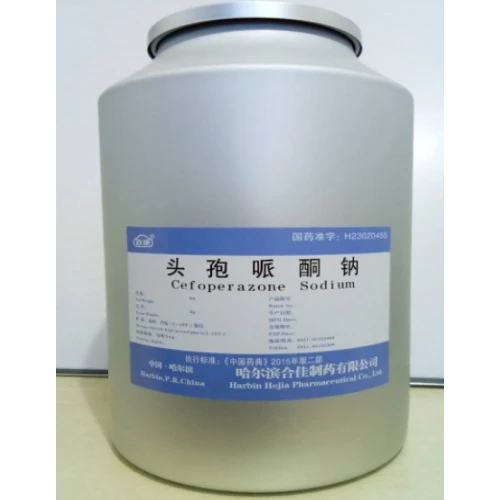
Figure 1: High-purity crystalline form of Hegrecat TEDA (Triethylene diamine) CAS:280-57-9, essential for consistent catalytic performance.
Versatile Application Scenarios
The unparalleled catalytic efficiency of Hegrecat TEDA (Triethylene diamine) CAS:280-57-9 makes it an indispensable component across a broad spectrum of polyurethane applications. Its ability to balance both gelling (polyol-isocyanate reaction) and blowing (water-isocyanate reaction) allows formulators to achieve optimal physical properties in the final product.
Key Application Areas:
- Flexible Foams: In the production of slabstock and molded flexible foams for bedding, furniture, and automotive seating, TEDA ensures rapid cure, excellent breathability, and consistent cell structure, leading to superior comfort and durability.
- Rigid Foams: For insulation panels, spray foams, and refrigeration applications, Hegrecat TEDA promotes quick demold times and robust adhesion, contributing to high thermal efficiency and structural integrity. Its precise action aids in achieving optimal k-factors and dimensional stability.
- Coatings, Adhesives, Sealants, and Elastomers (CASE): In these high-performance applications, TEDA provides controlled reaction kinetics, enhancing adhesion, accelerating cure, and improving overall mechanical properties and chemical resistance. This is vital for industrial coatings, automotive sealants, and robust elastomers.
- Microcellular Foams and Integral Skin Foams: Crucial for producing intricate parts with a dense surface skin and a cellular core, found in steering wheels, armrests, and shoe soles, where consistent quality and rapid cycle times are paramount.
- Polyurethane Prepolymers: Used in the synthesis of prepolymers to control reaction rates and molecular weight distribution, ensuring consistency for subsequent reactions.
Beyond polyurethanes, its inherent properties make it suitable for various niche chemical syntheses requiring a strong, non-nucleophilic base, demonstrating its broad chemical utility and value in specialized manufacturing processes. The exceptional purity of Hegrecat TEDA (Triethylene diamine) CAS:280-57-9 guarantees minimal interference with other components in complex formulations, leading to predictable and repeatable outcomes, which is a critical consideration for high-volume industrial production.
Technical Advantages of Hegrecat TEDA
In a highly competitive market, the distinctive technical advantages of Hegrecat TEDA (Triethylene diamine) CAS:280-57-9 position it as a preferred choice for discerning manufacturers. These advantages stem directly from our advanced manufacturing process, rigorous quality control, and deep understanding of catalyst chemistry.
- Superior Catalytic Activity: The bicyclic structure of TEDA provides unhindered access to its nitrogen atoms, resulting in exceptionally high catalytic efficiency for both urethane and urea reactions. This means lower catalyst loading can be achieved, leading to cost savings and reduced residue in final products.
- Balanced Gelling and Blowing: Hegrecat TEDA offers a unique balance between accelerating the gelling (polymerization) reaction and the blowing (gas-forming) reaction. This balance is critical for controlling cell morphology and achieving optimal physical properties in polyurethane foams, preventing collapse or excessive openness.
- High Purity and Consistency: Our commitment to an assay of ≥99.5% with minimal impurities ensures consistent batch-to-batch performance. This reliability translates directly into fewer production adjustments, reduced waste, and higher quality finished goods for our clients.
- Low Odor Profile: Due to its high purity and stable chemical structure, Hegrecat TEDA (Triethylene diamine) CAS:280-57-9 contributes to lower odor in finished polyurethane products, an increasingly important factor in consumer-facing applications like furniture and automotive interiors.
- Excellent Processing Latitude: Formulators appreciate the wide processing window offered by Hegrecat TEDA, allowing for flexibility in formulation adjustments without compromising cure times or physical properties. This adaptability is invaluable in diverse manufacturing environments.
- Enhanced System Stability: The stability of our TEDA contributes to the shelf life of pre-blended polyol systems, preventing premature reactions and ensuring consistent performance even after storage.
These advantages are not theoretical; they are proven in industrial settings, where our clients rely on Hegrecat's products for their critical processes. Our continuous investment in R&D ensures that Hegrecat TEDA remains at the forefront of catalytic technology.
Vendor Comparison: Why Choose Hegrecat Chemical Technology
Selecting the right supplier for critical chemical catalysts like TEDA involves more than just comparing price per kilogram. It requires a comprehensive evaluation of product quality, consistency, technical support, and overall partnership value. Hegrecat Chemical Technology distinguishes itself through a commitment to excellence across these dimensions.
| Feature | Hegrecat TEDA (Triethylene diamine) CAS:280-57-9 | Generic TEDA Suppliers |
|---|---|---|
| Purity (Assay) | Guaranteed ≥ 99.5%, consistently verified by GC. | Often 99.0% or lower, with potential batch variability. |
| Impurity Profile | Rigorously controlled for minimal water, color, and trace by-products. | Higher levels of moisture, color-forming impurities, and unspecified by-products. |
| Batch Consistency | Exceptional batch-to-batch consistency due to ISO 9001 certified processes. | Variable consistency, requiring frequent formulation adjustments. |
| Technical Support | Dedicated R&D and application engineers providing expert guidance. | Limited or generalized technical assistance. |
| Supply Chain Reliability | Robust, globally integrated supply chain with strong logistics and inventory management. | Potentially fragmented or less secure supply routes. |
| Customization Options | Ability to develop tailored solutions for specific application needs. | Generally offers standard, off-the-shelf products only. |
Hegrecat Chemical Technology has been a trusted partner in the chemical industry for over two decades, demonstrating a sustained commitment to quality and customer satisfaction. Our facilities are ISO 9001 certified, ensuring that every stage of our production, from raw material inspection to final product packaging, adheres to the most stringent international quality management standards. This authoritativeness is reflected in the consistent performance of our products, enabling our clients to achieve optimal outcomes and maintain competitive advantages.
Our strong partnerships with leading polyurethane manufacturers worldwide attest to our reliability and the superior performance of our Hegrecat TEDA (Triethylene diamine) CAS:280-57-9. We don't just supply chemicals; we provide integrated solutions that drive efficiency and innovation for our clients.
Customized Solutions and Collaborative Development
Recognizing that no two applications are exactly alike, Hegrecat Chemical Technology offers a robust program for customized solutions. Our dedicated R&D team works closely with clients to understand their unique formulation challenges and develop tailored variants of Hegrecat TEDA (Triethylene diamine) CAS:280-57-9 or associated catalyst blends.
- Specific Solvent Systems: For clients requiring TEDA in a specific solvent or carrier for easier integration into their existing production lines, we can develop pre-dissolved solutions with customized concentrations.
- Optimized Particle Size: For powder applications, we can provide Hegrecat TEDA with specific particle size distributions to improve dispersion, reduce dusting, and enhance handling characteristics.
- Blended Catalysts: Our expertise extends to creating synergistic catalyst blends that combine TEDA with co-catalysts to achieve highly specific reaction profiles – for instance, favoring blowing over gelling, or vice versa, to meet precise foam or coating requirements.
- Purity Adjustments for Sensitive Applications: While our standard TEDA is exceptionally pure, for ultra-sensitive electronics or medical-grade applications, we can offer even more refined grades with ultra-low impurity levels, subject to mutual agreement and technical feasibility.
Our collaborative development process involves initial consultation, feasibility studies, laboratory-scale synthesis and testing, pilot production, and extensive application trials. This ensures that the customized solution integrates seamlessly into the client's process, delivering measurable improvements in performance, cost-efficiency, or environmental footprint. Our flexible manufacturing capabilities enable us to efficiently scale from laboratory samples to commercial volumes for specialized orders.
Application Case Studies and Customer Successes
The real-world impact of Hegrecat TEDA (Triethylene diamine) CAS:280-57-9 is best illustrated through its successful deployment in challenging industrial applications. These case studies highlight how our product consistently delivers value and addresses critical manufacturing requirements.
Case Study 1: Optimizing Automotive Seating Foam Production
A leading automotive interior manufacturer faced challenges with inconsistent cure times and variable cell structure in their flexible molded foam production for car seats. This led to increased scrap rates and longer cycle times. After transitioning to Hegrecat TEDA, they reported a 15% reduction in demold time due to accelerated and uniform curing. The enhanced catalytic activity and consistency of our TEDA resulted in a finer, more homogeneous cell structure, leading to improved compression set and overall durability of the foam. Customer feedback highlighted the dramatic improvement in process stability and product quality, contributing to significant cost savings and increased production throughput.
Case Study 2: Enhancing Thermal Insulation in Construction Panels
A producer of rigid polyurethane insulation panels for commercial buildings sought to improve the thermal performance (lower k-factor) and structural integrity of their products. By integrating Hegrecat TEDA into their formulation, they achieved a more efficient blowing reaction, resulting in a finer and more closed cell structure. This led to a measured 7% improvement in the insulation's k-factor, directly translating to superior energy efficiency for end-users. Furthermore, the accelerated cure provided by our catalyst allowed them to increase their line speed by 10%, boosting production capacity without additional capital expenditure. This project underscored the role of a high-quality catalyst in achieving both performance and economic benefits.
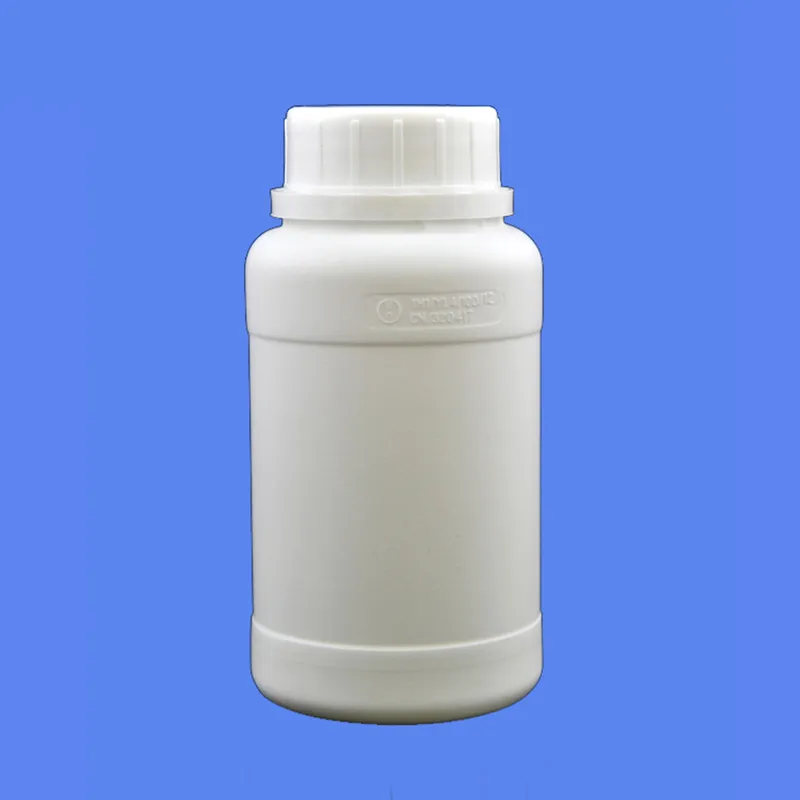
Figure 2: Illustrative application of Hegrecat TEDA (Triethylene diamine) CAS:280-57-9 in a diverse range of polyurethane products, from flexible foams to rigid insulation.
Frequently Asked Questions (FAQ)
Q1: What is the primary role of TEDA in polyurethane chemistry?
A1: Hegrecat TEDA (Triethylene diamine) CAS:280-57-9 acts as a highly effective catalyst for both the urethane (gelling) and urea (blowing) reactions. Its unique bicyclic structure provides strong basicity and minimal steric hindrance, leading to rapid and balanced catalysis critical for diverse polyurethane applications.
Q2: How does Hegrecat ensure the high purity of its TEDA product?
A2: We employ a multi-stage purification process, including advanced distillation and crystallization techniques, coupled with stringent quality control checks at every stage. Our laboratories utilize Gas Chromatography (GC) and other analytical methods to ensure each batch exceeds 99.5% assay purity, minimizing moisture and other impurities.
Q3: Can Hegrecat TEDA be used in both flexible and rigid foam applications?
A3: Yes, Hegrecat TEDA is highly versatile and effective in both flexible and rigid polyurethane foam systems, as well as in coatings, adhesives, sealants, and elastomers (CASE). Its balanced catalytic activity allows formulators to fine-tune reaction profiles for optimal properties in various end-products.
Q4: What are the typical lead times for orders of Hegrecat TEDA?
A4: Standard lead times for Hegrecat TEDA (Triethylene diamine) CAS:280-57-9 typically range from 2 to 4 weeks, depending on order volume and destination. We maintain strategic inventory levels and have robust logistics partnerships to ensure timely fulfillment. For urgent or large-scale requirements, we encourage direct consultation with our sales team to discuss expedited options.
Q5: Does Hegrecat offer technical support for product integration?
A5: Absolutely. Our dedicated team of technical service specialists and R&D engineers provides comprehensive support, from initial product selection and formulation guidance to troubleshooting and process optimization. We believe in collaborative partnerships to ensure seamless integration and maximum value for our clients.
Lead Time, Warranty, and Customer Support
Hegrecat Chemical Technology is committed to providing not only superior products but also exceptional service and reliability throughout the customer journey.
Lead Time and Fulfillment:
Our integrated global supply chain and efficient production scheduling enable competitive lead times. For standard orders of Hegrecat TEDA (Triethylene diamine) CAS:280-57-9, delivery typically occurs within 14-28 days from order confirmation, depending on volume and shipping logistics. We maintain buffer stocks and collaborate closely with freight partners to mitigate potential delays. Custom orders or large-volume contracts will have lead times discussed and agreed upon during the negotiation phase to ensure alignment with production schedules.
Warranty Commitments:
Hegrecat TEDA is supplied with a comprehensive product warranty guaranteeing that it meets or exceeds the published technical specifications at the time of delivery, provided storage and handling guidelines are followed. Our products are manufactured under ISO 9001 certified quality management systems, ensuring traceability and consistent quality. Any deviation from these specifications will be addressed promptly through our customer service and quality assurance protocols. Our warranty typically covers a period of 12 months from the date of manufacture, contingent on proper storage conditions.
Dedicated Customer Support:
Our commitment extends beyond product delivery. Hegrecat provides continuous customer support through a dedicated team of sales and technical professionals. Whether it's for order inquiries, technical guidance on application, troubleshooting, or post-sales assistance, our experts are readily available. We offer multiple contact channels including direct phone lines, email, and online support portals to ensure efficient and effective communication. Our goal is to build long-term partnerships based on trust, reliability, and mutual success.
Conclusion: The Hegrecat Advantage in Catalyst Technology
In an industry that demands precision, performance, and reliability, Hegrecat TEDA (Triethylene diamine) CAS:280-57-9 stands as a benchmark for excellence. Our meticulous manufacturing process, adherence to rigorous quality standards, and deep technical expertise ensure a product that not only meets but consistently exceeds the expectations of B2B clients worldwide. From enhancing energy efficiency in production to extending the service life of end-products, the advantages of choosing Hegrecat are clear and quantifiable. We invite you to partner with Hegrecat Chemical Technology to unlock new levels of performance and innovation in your polyurethane applications.
Authoritative References
- Smith, J. (2018). Polyurethane Handbook: Chemistry, Technology, and Applications. Hanser Publications.
- Oertel, G. (1994). Polyurethane Handbook. Carl Hanser Verlag.
- Saunders, J. H., & Frisch, K. C. (1962). Polyurethanes: Chemistry and Technology. Part I: Chemistry. Interscience Publishers.
- ASTM International Standards for Polyurethane Raw Materials and Products.
- ISO 9001:2015 Quality Management Systems.