What I’m Seeing in the Market: A Practical Take on Hegrein TEP (Triethyl Phosphate) CAS:78-40-0
If you work in flame-retarded polymers, coatings, or agro-intermediates, you’ve probably noticed TEP demand quietly climbing. The push toward halogen‑free solutions and stricter compliance in cables, PU foam, and resins is real. And—speaking candidly—sourcing consistency matters more than a shiny brochure. That’s why Hegrein TEP (Triethyl Phosphate) CAS:78-40-0 keeps popping up in RFQs from cable compounders and resin houses I talk to.
What it is and why people use it
Hegrein TEP (Triethyl Phosphate) CAS:78-40-0 is a colorless, mobile liquid—miscible with many organic solvents (ethanol, ether, benzene) and slightly water‑soluble. It’s used as a flame retardant for rubber/plastics, as a plasticizer (e.g., nitrocellulose, PVC blends), a resin curing co‑agent, and as an intermediate in certain insecticide formulations. Many customers say it disperses cleanly and doesn’t gum up processing equipment—always a relief on a busy compounding line.
Typical specifications (real-world values may vary)
| CAS | 78-40-0 | — |
| Chemical formula / MW | C6H15O4P / ≈182.16 g·mol⁻¹ | — |
| Purity | ≥99.5% | GC (in‑house, ISO/IEC 17025 traceable) |
| Density (20°C) | 1.070–1.078 g/cm³ | ASTM D4052 |
| Refractive index nD20 | 1.405–1.407 | ASTM D1218 |
| Water | ≤0.20% | Karl Fischer (ASTM E1064) |
| Acidity (as H3PO4) | ≤0.05% | Titration |
| Boiling point | ≈215–216°C | ASTM D1078 |
| Flash point (CC) | ≈115°C | ASTM D93 |
How it’s made and qualified (short version)
Process flow (typical): ethanol reacts with phosphorus oxychloride or P2O5 → controlled esterification → neutralization → washing → vacuum distillation for high purity. QC methods include GC purity, KF moisture, acidity, color (APHA), plus stability/compatibility checks in target polymers. Relevant use‑phase tests: UL 94 vertical/horizontal burn in plastics, Oxygen Index per ASTM D2863, and migration screening in PVC/PU. Service life in cable compounds often runs 5–20 years depending on temperature profile and plasticizer migration control; your mileage may vary with formulation and storage conditions.
Where it’s used (and why)
- Halogen‑free flame retardancy in PVC cable, PU flexible foam, rubber goods, engineering plastics (synergist with ATH/MDH).
- Plasticizer for nitrocellulose, cellulose acetate, and specialty PVC blends—improves flexibility and gloss.
- Resin curing/stabilization in epoxy/phenolic systems; agrochemical intermediate.
In internal screening, a PVC cable compound with 10 phr TEP showed an LOI ≈28 (ASTM D2863) and reached UL 94 V‑1 at 1.6 mm—illustrative data only; optimize per recipe and filler package.
Vendor comparison (what buyers usually ask me)
| Vendor | Purity | Lead time | Docs | Packaging | Customization |
|---|---|---|---|---|---|
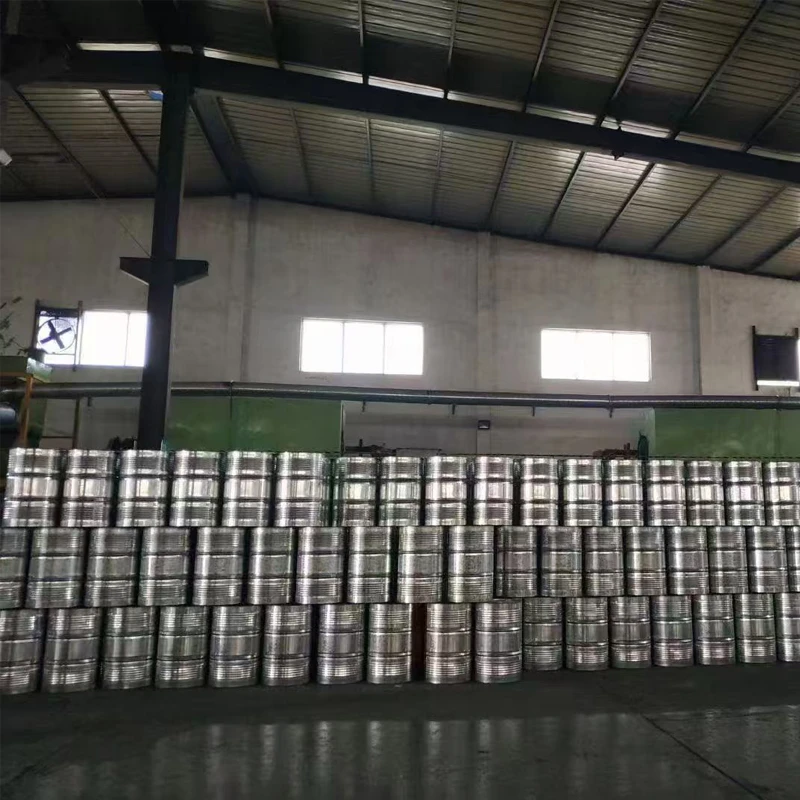
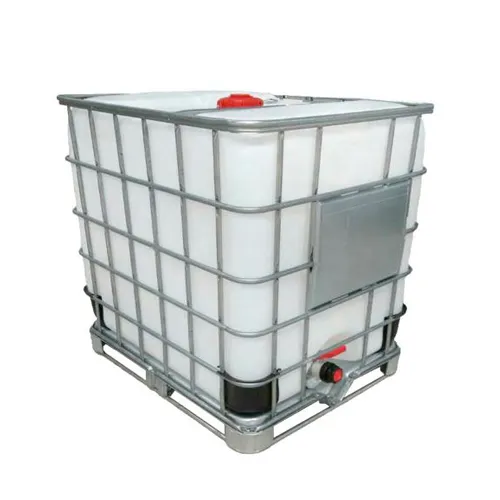
| Hegrein | ≥99.5% | ≈7–10 days | COA, SDS; REACH/RoHS/ISO copies on request | 200 kg drum; 1000 L IBC; bulk | Acidity/water spec tuning, additive pre‑blends |
| Domestic A | ≥99.0% | ≈15–20 days | Basic COA | 200 kg drum | Limited |
| Imported B | ≥99.5% | ≈20–30 days | Full regulatory dossier | Drum/IBC | Custom grades; premium price |
Customization, logistics, and a quick case
Origin: 80 Hainan Road, Shijiazhuang Economic and Technological Development Area. Packaging usually ships nitrogen‑blanketed; moisture spec can be tightened for sensitive resins. One cable maker (MENA) swapped in Hegrein TEP (Triethyl Phosphate) CAS:78-40-0 at 8–12 phr with ATH and reported steadier extrusion pressure and a 1–2 point LOI bump—small but valuable. They also liked the clean odor profile on hot runs, surprisingly.
Compliance, standards, and notes
- Typical references: UL 94 for plastics; ASTM D2863 Oxygen Index.
- Regulatory support: SDS/COA; REACH/RoHS statements available upon request.
- Always pilot: compatibility with PVC stabilizers, PU catalysts, and pigment packages can shift migration and long‑term performance.
Citations:
[1] UL 94, Tests for Flammability of Plastic Materials.
[2] ASTM D2863, Standard Test Method for Measuring the Minimum Oxygen Concentration to Support Candle‑Like Combustion.
[3] ECHA Substance Information: Triethyl Phosphate (CAS 78‑40‑0).
[4] Representative SDS/handbook data for Triethyl Phosphate (physical and safety properties).