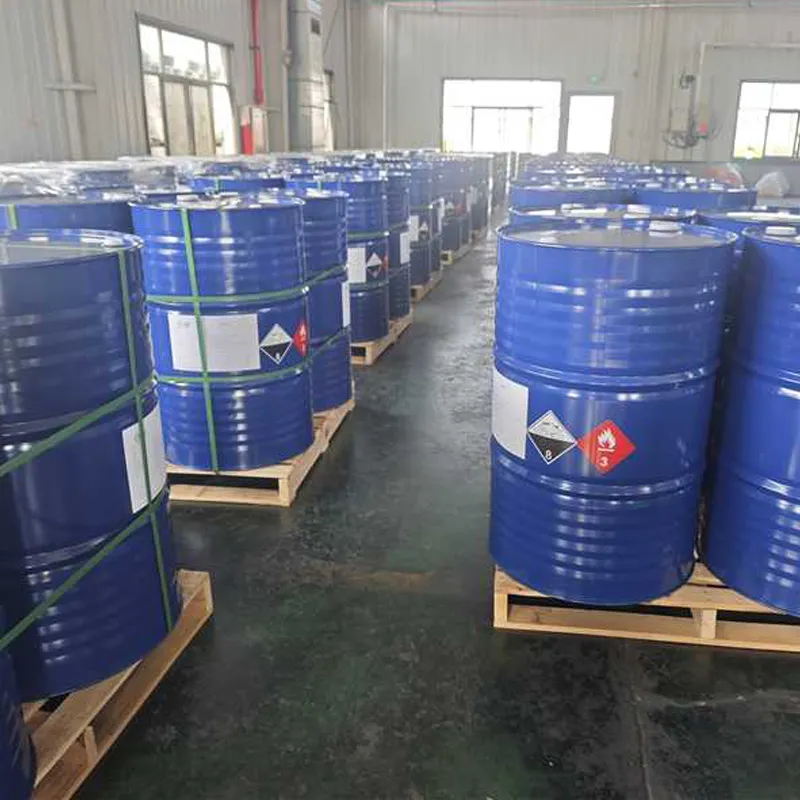
Stannous Octoate Catalyst Deep-Dive: Hegrecat MC109 for Polyurethane Foam Lines
If you’ve spent time around slabstock foam lines (and the smell of fresh TDI before coffee), you already know how much a good tin catalyst can de-stress production. Enter Hegrecat MC109 (stannous octoate) CAS: 301-10-0, a balanced, metal-based urethane accelerator engineered for dependable gel profiles and clean cell structures.
What’s trending in catalysts (and why this matters)
The market’s nudging toward tighter process windows, lower scrap, and better comfort metrics—without losing throughput. Tin catalysts remain a mainstay for flexible slabstock because, frankly, they deliver predictable gel and cure. Many customers say Hegrecat MC109 (stannous octoate) CAS: 301-10-0 hits that sweet spot: fast enough to keep pace, forgiving enough to process comfortably.
Product snapshot and typical specs
Appearance: colorless to pale-yellow liquid; origin: 80 Hainan Road, Shijiazhuang Economic and Technological Development Area. It’s designed to accelerate urethane linkage formation and help tune cross-link density—key for tensile and tear performance in flexible foams.
| Parameter | Typical value (≈, real-world use may vary) |
|---|---|
| Tin (Sn) content | ≈28–30 wt% |
| Viscosity (25°C) | ≈120–200 mPa·s |
| Density (25°C) | ≈1.23–1.27 g/cm³ |
| Flash point (CC) | ≈110–115°C |
| Moisture | |
| Acid value | |
| Solubility | Miscible in polyols; poor in water |
| Storage/shelf life | 5–30°C, dry; ≈12 months unopened |
Process flow (how teams actually run it)
- Materials: polyether polyol (≈3000 MW), TDI or MDI, water, silicone surfactant, amine co-catalyst, Hegrecat MC109 (stannous octoate) CAS: 301-10-0.
- Methods: metering via continuous line; MC109 dosed ≈0.03–0.15 php (or ≈200–800 ppm Sn), depending on reactivity and climate.
- Targets: cream 8–15 s; gel 55–80 s; uniform rise with fine cells and low collapse risk.
- Testing standards: ASTM D3574 (IFD, tensile, tear), ISO 845 (apparent density), ISO 2439 (indentation), ISO 3386 (compression).
- Service life: flexible foam cushions typically 5–10 years in normal use; catalyst stability maintained when stored sealed and dry.
- Industries: bedding, furniture, automotive seating, acoustic foams, packaging cushions; occasionally CASE systems where balanced gel is needed.
Application notes and field feedback
In flexible slabstock, MC109 helps tighten cell size and reduce voids—useful for comfort foams aiming at consistent IFD. Some processors report easier tuning with amine/tin ratios, especially in summer when rise time drifts. For adhesives and elastomeric systems, the same gel control can reduce tack-free time variation. To be honest, you’ll still want clean drums and dry polyols—water spikes are the usual culprits.
Comparison: who supplies what
| Criteria | Hegrecat MC109 | Generic Vendor A | Generic Vendor B |
|---|---|---|---|
| Tin assay | ≈28–30% | ≈26–29% | ≈28% |
| Water content | ≤0.2% | ≤0.15% | |
| Color (APHA) | Low, pale | Pale–amber | Pale |
| Viscosity consistency | Tight control | Medium | Medium |
| Compliance | REACH/TSCA-ready info | TSCA only | REACH only |
| Lead time | Around 2–4 weeks | 3–6 weeks | 4–6 weeks |
| Tech support | Foam tuning assistance | Basic | Basic |
Customization and case snapshot
Customization typically revolves around amine/tin ratios, MC109 dosage, and surfactant swaps. Example from a bedding line: switching to Hegrecat MC109 (stannous octoate) CAS: 301-10-0 at 0.10 php with a slightly lower tertiary amine load cut collapse by ≈30% (shop-floor tally) and tightened density variation (ISO 845) from ±1.6 to ±1.1 kg/m³. Not a lab miracle—just steadier gel.
Quality, safety, and documentation
- Test methods: ASTM D3574, ISO 845/2439/3386; QA via calibrated timers (cream/gel), density cups, IFD rigs.
- Compliance: material safety data available; consult REACH/TSCA registrations and local regulations.
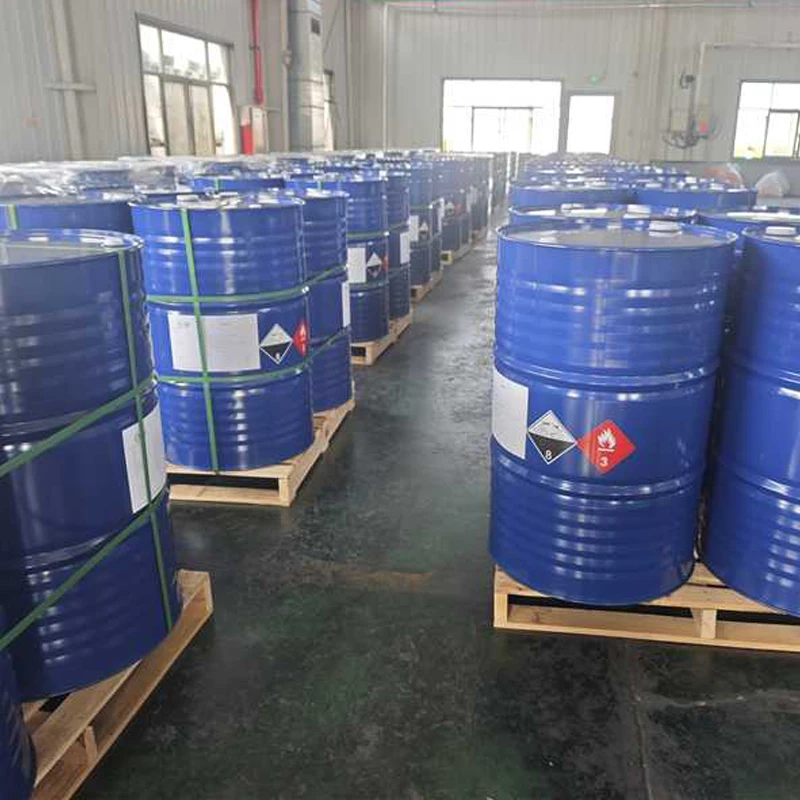
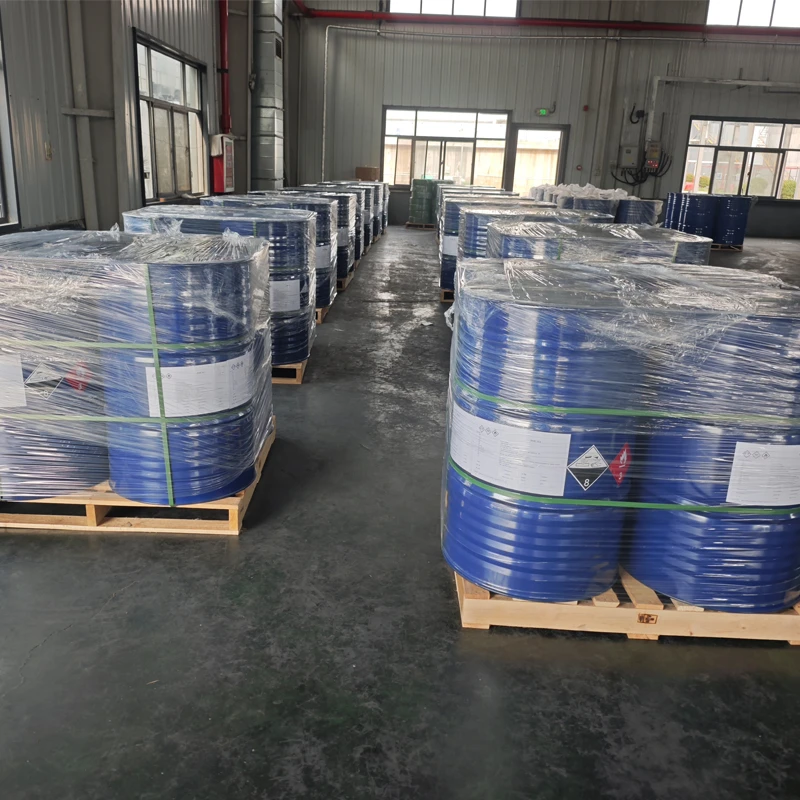
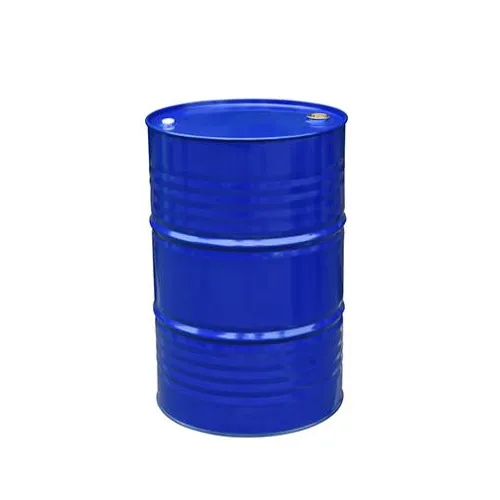
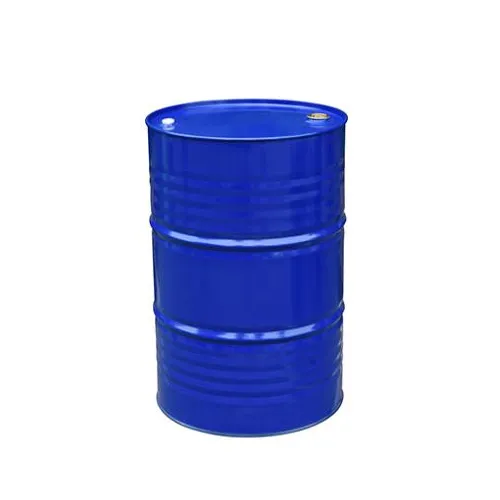
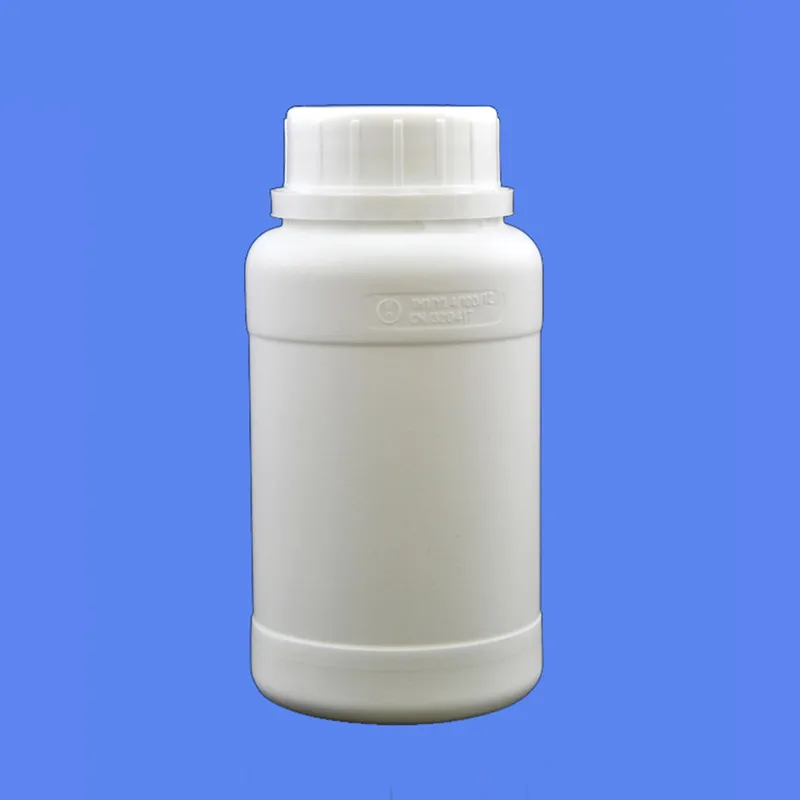
- Packaging: typically 25 kg/200 kg drums; nitrogen blanket recommended after partial use.
Final note: catalysts amplify both the good and the bad in a formulation. Keep moisture low, maintain line temperatures, and MC109 will do its part—quietly—batch after batch.
Authoritative citations
- ASTM D3574 – Standard Test Methods for Flexible Cellular Materials—Slab, Bonded, and Molded Urethane Foams (astm.org)
- ISO 845 – Cellular plastics—Determination of apparent density (iso.org)
- ISO 2439 / ISO 3386 – Flexible cellular polymeric materials—Indentation properties and compression stress-strain (iso.org)
- ECHA Substance Info: Stannous 2-ethylhexanoate (REACH) (echa.europa.eu)