Insider’s Guide to Lauryl Glucoside for Modern Formulators
If you’re scanning the market for lauryl glucoside for sale, you’ve probably noticed two things: demand is up, and specs can be all over the place. As someone who talks to R&D teams and procurement managers weekly, I’ll say it straight—quality and consistency matter more than ever, especially for sulfate-free launches.
What It Is (and why formulators care)
Lauryl Glucoside (CAS # 68515-73-1 & 110615-47-9) is a non-ionic alkyl polyglucoside (APG) derived from coconut-based fatty alcohols and glucose. It’s the mild workhorse behind gentle shampoos, baby washes, and facial cleansers. Many customers say the feel is “soft foam, low sting,” which matches the lab data I’ve seen. It also plays extremely well with amphoterics to build rich, stable foam without SLES.
Industry trends you can’t ignore
- Sulfate-free and EWG-friendly launches are accelerating, and APGs are the go-to backbone.
- Retailers increasingly ask for COSMOS/ECOCERT-conforming inputs; lauryl glucoside fits.
- Regulatory comfort: good dermatological profile, fast biodegradability (OECD-ready).
Typical specs (real-world use may vary)
| Parameter | Typical Value | Method/Note |
|---|---|---|
| Active matter | ≈ 50–55% | Titration |
| pH (10% sol.) | 11.5–12.5 | pH meter, 25°C |
| Viscosity | ≈ 150–500 mPa·s | Brookfield, 25°C |
| Surface tension (1%) | ≈ 29–32 mN/m | Du Noüy ring |
| Foam (Ross‑Miles, 0.1%) | ≈ 150–190 mm initial | ASTM D1173 |
| Biodegradability | Readily biodegradable | OECD 301 |
Applications and usage levels
Shampoos (6–15%), body washes (5–12%), baby wash (3–8%), facial cleansers (4–10%), hand soaps (5–12%), and even home care where mildness is key. It boosts foam and helps stabilize emulsions. For procurement searches like lauryl glucoside for sale, check active matter and preservation system first; those two influence everything from viscosity build to fragrance clarity.
How it’s made (short version)
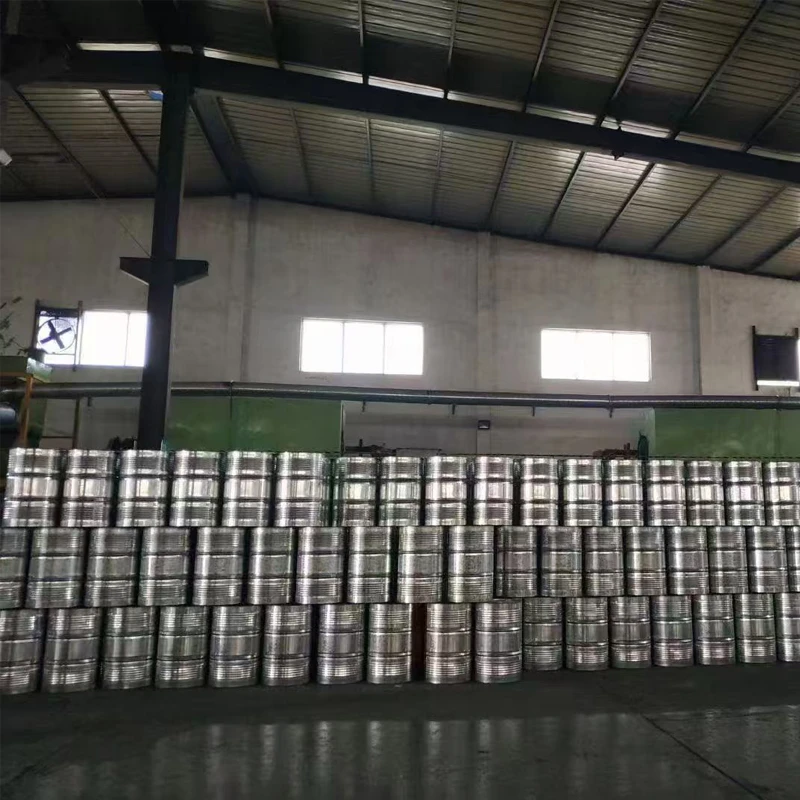
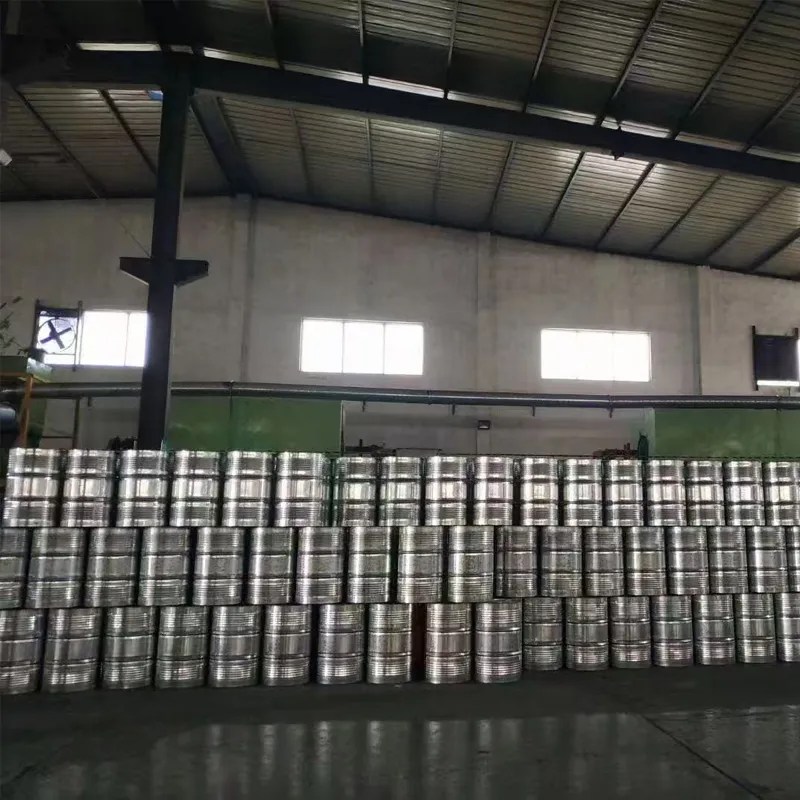
Feedstocks: C12–C14 fatty alcohols (often coconut) + glucose (corn-derived). Process flow: acid-catalyzed glycosidation → degree-of-polymerization control → neutralization → vacuum stripping → filtration → QC. Key tests: actives, pH, color (APHA), residuals, and foam. Service life: typically 24 months sealed, cool/dry. Packaging: 200 kg drums or 1000 kg IBC.
Certifications and compliance
- REACH-ready data packages; TSCA-listed variants available.
- COSMOS/ECOCERT conform grades common; RSPO MB options depending on source.
- Dermal/eye tolerance backed by OECD TG 439/404/437 testing frameworks.
- Manufacturing sites usually ISO 9001; ask for lot-specific COA and IFRA fragrance compatibility notes.
Vendor comparison snapshot
| Vendor | MOQ | Lead Time | Certs | Price/kg | Notes |
|---|---|---|---|---|---|
| Hejia Chemical Tech (80 Hainan Road, Shijiazhuang ETA) | 200 kg | 7–14 days | ISO 9001, COSMOS-conform | ≈ $2.2–$3.1 | Stable actives; strong QC/COA set |
| Trader A | 1000 kg | 3–5 weeks | ISO 9001 | ≈ $2.0–$2.5 | Check batch-to-batch pH drift |
| Producer B | 500 kg | 10–20 days | ISO 9001, RSPO MB | ≈ $2.6–$3.4 | Premium clarity grades |
Customization options
You can request tailored actives (50–60%), preservative-free or benzyl alcohol-free systems, viscosity tuning with salt/amphoterics, and blend-ready APG mixes with cocoamidopropyl betaine for cost-effective foam. When asking suppliers about lauryl glucoside for sale, specify fragrance solubility and color specs if you run clear bottles—saves headaches later.
Mini case study
A mid-size indie brand swapped SLES/CAPB for a lauryl glucoside–forward system (with mild amphoteric). Results: 22% increase in cumulative foam volume (Ross-Miles), a meaningful drop in stinging scores during internal panel tests, and fewer clarifier additions. Retail returns for “sensitivity” dropped noticeably—small win, big impact.
Bottom line
If you’re sourcing lauryl glucoside for sale, prioritize consistent actives, clean COAs, and certification fit. To be honest, the best batches feel almost boring to formulate with—in a good way.
Authoritative citations
- OECD 301: Ready Biodegradability Test Guidelines – OECD Library.
- ASTM D1173: Standard Test Method for Foaming Properties of Surfactants.
- OECD TG 439/404/437: Skin and Eye Irritation/Corrosion Test Guidelines.
- ISO 16128: Guidelines on technical definitions for natural/organic cosmetic ingredients.
- ECHA Substance Info: Alkyl polyglycosides (overview of APG category data).