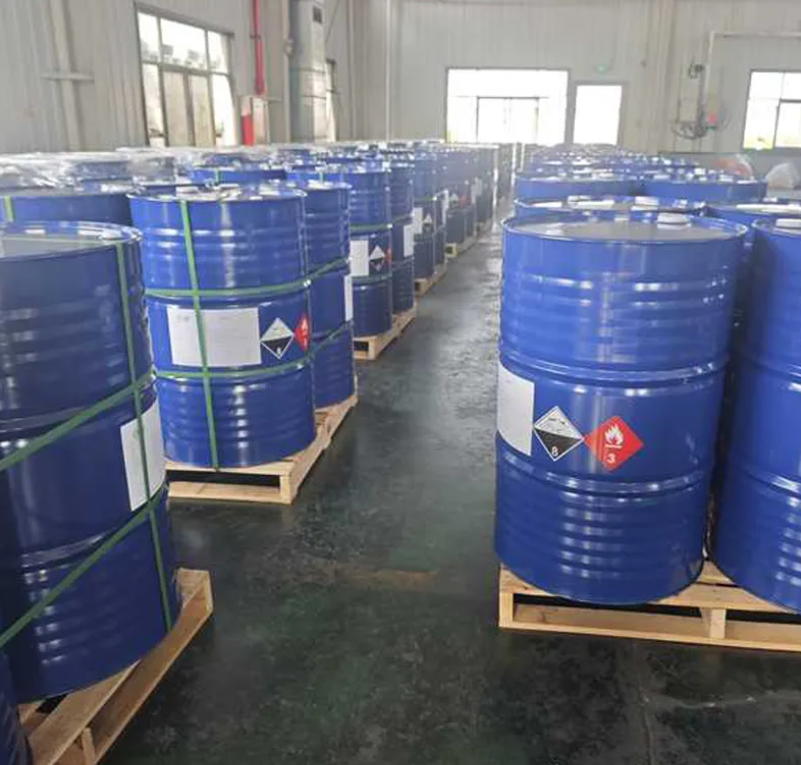
Understanding the Natural Thickener for Cosmetics: Why It Matters Globally
If you've ever wondered what gives your favorite lotion or cream its silky texture and perfect spreadability, chances are a natural thickener for cosmetics is at play. These ingredients are not only about texture—they address deeper global needs like sustainability, safety, and natural sourcing, increasingly important in today's beauty industry and beyond. In fact, as consumers worldwide seek cleaner, greener products, understanding natural thickeners isn’t just trendy—it’s essential.
Global markets indicate a sharp rise in demand for natural cosmetic ingredients. According to market data by Statista, the natural and organic personal care market is projected to grow with a compound annual growth rate (CAGR) of over 10% until 2027. This boom reflects concerns about synthetic additives and environmental impacts. Oddly enough, natural thickeners, often overlooked, play a starring role here.
Why Does This Matter Globally?
- Environmental pressure: As industries face stricter regulations like those by ISO 16128 on natural cosmetics, manufacturers pivot toward eco-friendly, biodegradable thickeners.
- Consumer health awareness: Customers now scrutinize product labels more than ever for allergens or synthetic chemicals.
- Developing markets adoption: Emerging economies increasingly standardize on safe, natural cosmetic additives supporting local agriculture.
So, natural thickeners are more than just a formulation choice—they respond to ecological, health, and economic challenges worldwide.
Mini takeaway: Natural thickeners for cosmetics are pivotal in the global shift towards greener, safer personal care products, meeting ever-stricter sustainability and consumer demands.
What is a Natural Thickener for Cosmetics?
Put simply, a natural thickener for cosmetics is a substance derived from plants, algae, or microbes that increases the viscosity of cosmetic formulations — think lotions, creams, shampoos, and gels — to make them smoother, more stable, and pleasant to apply. Unlike synthetic thickening agents, these thickeners are sourced from nature and often biodegradable.
They connect modern cosmetic science with humanitarian needs. For example, in humanitarian aid, gentle and safe skincare products are essential; natural thickeners ensure formulas remain effective and skin-friendly without harsh chemicals.
Key Factors in Choosing the Best Natural Thickener for Cosmetics
1. Biodegradability & Environmental Impact
Natural thickeners should break down harmlessly without polluting waterways. Options like xanthan gum or guar gum score high here, making them preferable over petrochemical-derived thickeners.
2. Texture & Sensory Experience
This is where formulators get creative. Each thickener imparts a unique feel — some yield creamy smoothness, others a more gel-like body. The choice depends on the end user’s sensory expectations.
3. Stability Across pH and Temperature Ranges
Cosmetic products often encounter temperature shifts or pH changes (e.g., shampoos vs. moisturizers). A good thickener maintains consistency despite these variables. For instance, carrageenan handles cold temperatures well but may destabilize in low pH.
4. Cost Efficiency and Scalability
Natural thickeners vary widely in price and availability. Guar gum, extracted from guar beans extensively grown in India, offers a cost-effective supply chain for large-scale production.
5. Compatibility with Other Ingredients
Some thickeners interact or even deactivate other active ingredients. It’s vital to pick one that doesn’t disrupt preservatives, fragrances, or botanical extracts.
Mini takeaway: Selecting a natural thickener involves balancing environmental factors, sensory appeal, stability, cost, and ingredient harmony to craft an effective cosmetic product.
Global Applications & Use Cases of Natural Thickeners in Cosmetics
Where do you actually find these natural thickeners at work? The answer is everywhere — from high-end European organic skincare lines to mass-produced haircare in Asia, even humanitarian cosmetic kits for displaced populations.
- Europe: Regulators strongly favor natural formulations, boosting use of certified organic thickeners like tara gum.
- North America: Vegan and cruelty-free brands hinge on natural additives to meet consumer demands.
- Asia: Rapid growth in natural ingredient usage as traditional herbal remedies integrate with modern cosmetics.
- Humanitarian Aid: Organizations use gentle, natural-thickened lotions for trauma care, sensitive skin relief in refugee camps.
In real terms, even a small ingredient choice like a natural thickener reflects broader global shifts toward sustainability and ethical consumerism.
Advantages & Long-Term Benefits of Natural Thickeners for Cosmetics
The shift to natural thickeners brings tangible benefits:
- Eco-friendly: Reduced chemical runoff and microplastic pollution.
- Skin compatibility: Lesser irritation risk for sensitive skin types.
- Consumer trust: Transparency and “clean labels” improve brand loyalty.
- Ethical sourcing: Boosts livelihoods in agricultural communities supplying these botanicals.
On a more emotional note, using natural thickener formulas often feels like a safety net — a way to care for both oneself and the planet simultaneously. Innovation here isn’t just about efficacy but respect and stewardship.
Product Specification Table: Typical Natural Thickeners
| Thickener | Source | Viscosity Range (mPa·s) | pH Stability | Common Uses |
|---|---|---|---|---|
| Xanthan Gum | Fermentation (bacteria) | 100–10000 | Wide (pH 2–13) | Lotions, creams, gels |
| Guar Gum | Guar beans | 500–5000 | Moderate (pH 5–7) | Shampoos, conditioners |
| Carrageenan | Seaweed | 300–3000 | pH 4–10 | Body washes, creams |
Vendor Comparison: Leading Suppliers of Natural Cosmetic Thickeners
| Vendor | Product Range | Certification | Sustainability | Global Reach |
|---|---|---|---|---|
| Hejia Chemical Tech | Xanthan, Guar, Carrageenan | ISO 9001, COSMOS | 100% biodegradable sourcing | Exports to 30+ countries |
| GumTech International | Guar, Locust Bean Gum | USDA Organic | Sustainably farmed guar beans | Strong in Americas |
| Marine BioSolutions | Carrageenan, Agar | COSMOS, Vegan | Seaweed wild-harvesting controls | Focused on Europe, Asia |
Future Trends & Innovations in Natural Thickeners for Cosmetics
Looking ahead, the industry is buzzing about several exciting developments:
- Biotechnological advances: Microbial fermentation methods producing novel biothickeners with tailored properties.
- Multi-functional ingredients: Combining thickening with skin benefits, e.g., antioxidant-rich gums.
- Digital formulation tools: AI-assisted design predicting thickener synergy and texture profiles faster.
- Sustainability certifications: Greener sourcing verified by blockchain for supply chain transparency.
It feels like the natural thickener space is evolving from basic functionality toward smart, eco-conscious ingredients.
Challenges & Solutions in Using Natural Thickeners
Of course, it’s not all smooth. Natural thickeners sometimes
- show batch variability
- have limited shelf life or require specialized preservation
- sometimes cost more than synthetic options
Innovators tackle these problems by:
- Blending multiple natural thickeners for consistent performance
- Partnering with quality-focused suppliers to ensure purity
- Utilizing encapsulation or stabilization technologies to prolong shelf life
Frankly, these challenges keep formulators on their toes — but the payoff is worth it.
FAQ: Your Questions About Natural Thickener for Cosmetics
- What natural thickeners are best for sensitive skin products?
- Xanthan gum and guar gum are often preferred for their gentle, hypoallergenic properties. They provide smooth texture without irritation.
- Can natural thickeners replace synthetic ones fully in all cosmetics?
- While many formulas can use natural thickeners exclusively, some specialized products may still require synthetics for specific stability or texture needs.
- Are natural cosmetic thickeners more expensive?
- They generally cost more upfront, but their benefits in sustainability and consumer appeal often justify the price.
- How do natural thickeners impact the shelf life of a cosmetic product?
- Natural thickeners can sometimes reduce shelf life due to microbial susceptibility, but proper preservation techniques mitigate this risk effectively.
Conclusion & Call to Action
Natural thickener for cosmetics are quietly revolutionizing personal care worldwide, blending science with sustainability and ethical sourcing. Their growing popularity is a testament to evolving consumer values and the industry's commitment to greener, safer ingredients. If you want to explore reliable options, consider visiting Hejia Chemical Tech, where expertise meets quality in natural cosmetic thickeners.
Thanks for pausing with me on this deep dive — I suppose we can all appreciate a little natural goodness in our lotion, right?
References: