Pharmaceutical Formulation Intermediates: A Practical Overview
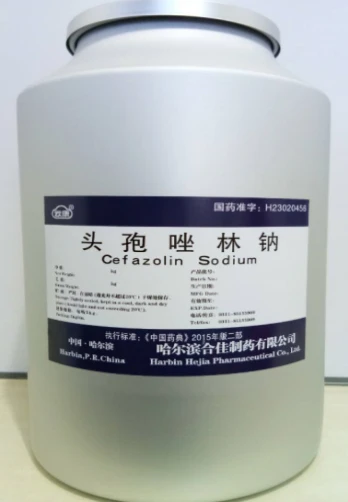
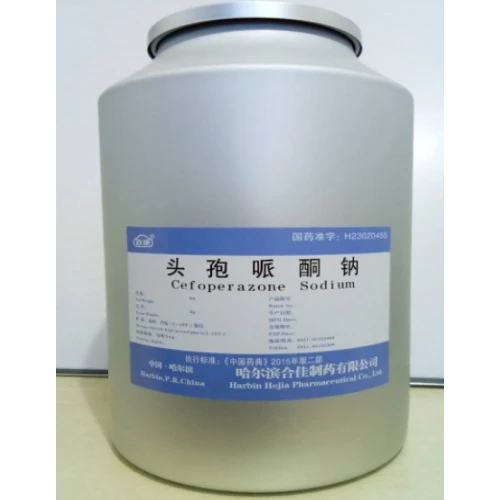
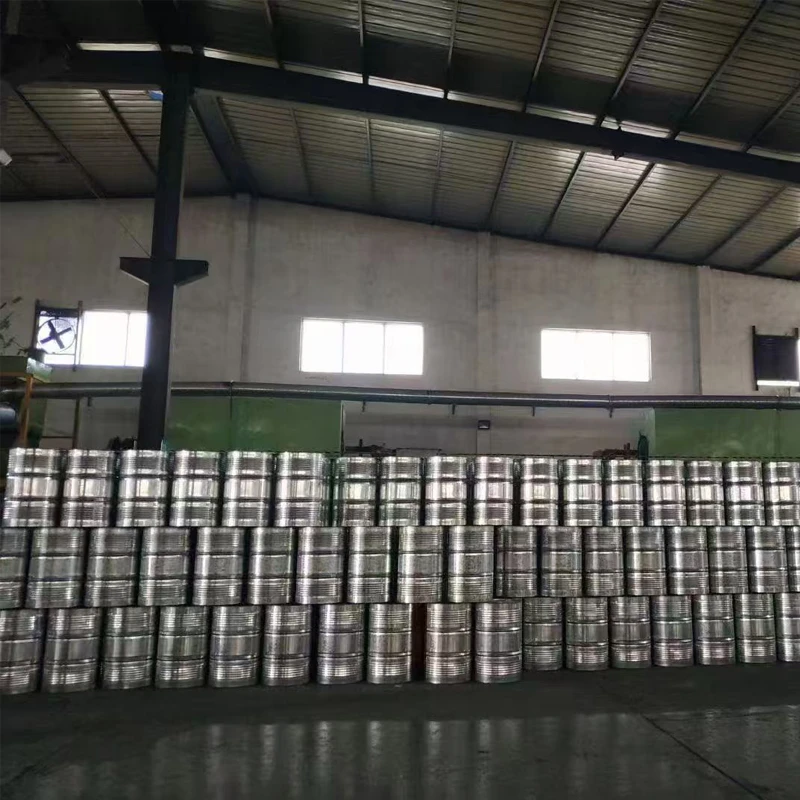
Working in the industrial equipment and chemical manufacturing sector for over a decade, I’ve come to appreciate the subtle yet crucial role pharmaceutical formulation intermediates play in the medicine production chain. Oddly enough, they often fly under the radar compared to final active pharmaceutical ingredients (APIs), but in real terms, they’re the building blocks ensuring product reliability and performance.
So, what exactly are these intermediates? Think of them as specialized compounds crafted with high precision, designed to streamline the formulation of tablets, capsules, injectables — you name it. Their quality directly impacts efficacy and safety, which is why pharmaceutical formulators are so particular about sourcing.
I suppose the industry’s shift toward more complex drugs underscores the need for high-grade intermediates that offer consistent purity, compatibility, and stability. Many engineers I’ve met emphasize how tricky it can be to balance chemical reactivity versus shelf life — and pharmaceutical formulation intermediates are where that balancing act often happens.
Key Product Specifications
| Parameter | Typical Range | Measurement |
|---|---|---|
| Purity | ≥ 99.5% | HPLC |
| Moisture Content | ≤ 0.5% | Karl Fischer Titration |
| Particle Size | 10 - 50 µm | Laser Diffraction |
| pH (1% solution) | 5.0 – 7.0 | pH meter |
| Heavy Metals | ≤ 10 ppm | ICP-MS |
From first-hand experience, it’s critical these specs aren’t just theoretical. A batch with unexpectedly high moisture or inconsistent particle size can lead to formulation headaches. The margin for error in pharmaceuticals is tiny, and any intermediate’s flaws can cascade down the production line, leading to delays or worse — product recalls.
Choosing the Right Vendor: A Quick Comparison
Given how vital these intermediates are, picking the right supplier is kind of a game-changer. I’ve scouted several over the years — from smaller specialist chemical firms to large-scale producers. Here’s a quick vendor comparison to offer perspective:
| Vendor | Purity Guarantee | Customization | Lead Time | Compliance |
|---|---|---|---|---|
| Hejia Chemical Tech | ≥ 99.5% | Flexible batches & formulations | 4-6 weeks | GMP & REACH certified |
| Global Pharma Supplies | ≥ 99.0% | Limited customization | 6-8 weeks | FDA registered |
| ChemCore Industries | ≥ 98.5% | Custom synthesis available | 8-10 weeks | ISO 9001 certified |
Frankly, I noticed that smaller, nimble suppliers like Hejia Chemical Tech tend to excel when you need tailored solutions — whether it’s adjusting particle size or tweaking moisture thresholds. They’re also pretty transparent about their process controls, which, in my experience, makes a lot of difference when troubleshooting formulation challenges.
One curious project came to mind: we were working with a formulation that was particularly moisture sensitive, and a batch of intermediates from one vendor started causing compilation issues mid-process, leading to extra QC rounds. Switching to a different supplier with a stricter moisture limit helped us cut downtime significantly — it was a subtle move but a noteworthy one.
And of course, regulatory compliance can’t be overlooked. Not all intermediates come with solid GMP or REACH credentials, and sorting that out ahead of time saves a world of headaches downstream.
In terms of market trends, I suppose we’re seeing more demand for intermediates that support biologics and advanced drug delivery systems, which pushes suppliers to innovate their synthesis methods and purification techniques. It’s fascinating how a sometimes “invisible” part of the supply chain can be a bellwether for broader pharma innovation.
Ultimately, if you’re involved in pharmaceutical formulation, investing time in vetting your intermediate providers is kind of like building a foundation — maybe less glamorous than APIs, but absolutely essential.
Reflection: Taking a step back, the complexity behind pharmaceutical formulation intermediates is a reminder that every small piece in this chain holds weight. In my experience, treating intermediates as a key quality checkpoint rather than a commodity can elevate your entire product’s performance.
- FDA Guidance on Pharmaceutical Development, 2023
- Hejia Chemical Tech Official Specifications, 2024
- Industry Interviews – Pharmaceutical Formulation Engineers, 2022–2023