The Growing Demand for Sustainable Surfactants: Exploring decyl glucoside for sale
In an era defined by increasing environmental consciousness and stringent regulatory frameworks, the chemical industry is witnessing a significant shift towards more sustainable and bio-derived ingredients. Among these, decyl glucoside stands out as a high-performance, non-ionic surfactant derived from natural, renewable raw materials: plant-based fatty alcohols and glucose. Its exceptional mildness, biodegradability, and excellent foaming characteristics make it an indispensable component across a multitude of B2B applications, from personal care products to industrial cleaning solutions.
The market for sustainable surfactants is experiencing robust growth, driven by consumer preference for 'green' labels and manufacturers' commitments to eco-friendly formulations. Decyl glucoside, with its favorable environmental profile and versatile performance, is strategically positioned at the forefront of this trend. Businesses looking for reliable and environmentally sound surfactant solutions are increasingly prioritizing suppliers capable of delivering high-quality decyl glucoside for sale that meets rigorous industry standards and specifications.
This article delves into the technical aspects, application versatility, and strategic advantages of decyl glucoside, providing B2B decision-makers and technical engineers with comprehensive insights into its value proposition.
Technical Specifications and Chemical Profile of Decyl Glucoside
Decyl glucoside (CAS #68515-73-1 & 110615-47-9) is an alkyl polyglucoside (APG), a class of non-ionic surfactants known for their exceptional mildness and superior environmental compatibility. Its chemical structure is characterized by a hydrophilic D-glucose head group and a hydrophobic decyl alcohol chain, which together facilitate its surface-active properties. This unique amphiphilic structure enables effective micelle formation, leading to excellent solubilization, emulsification, and foaming capabilities.
As a non-ionic surfactant, decyl glucoside maintains its performance stability across a wide pH range and is compatible with various other surfactant types, including anionic, cationic, and amphoteric systems. This broad compatibility makes it highly versatile for complex formulations. Its low irritation potential, derived from its natural origin and gentle action, positions it as a preferred choice for sensitive skin and hypoallergenic product lines. The product is typically supplied as an aqueous solution, with active matter content varying by specific grade.
Key Technical Parameters for Decyl Glucoside
| Parameter | Typical Value | Test Method/Standard |
|---|---|---|
| CAS Number | 68515-73-1 & 110615-47-9 | N/A |
| Appearance | Clear to slightly cloudy viscous liquid | Visual |
| Active Matter (%) | 50-55% (typical) | EN 12079 / HPLC |
| pH (10% aqueous solution) | 11.5 - 12.5 | DIN EN 1262 |
| Free Fatty Alcohol (%) | < 1.0 | GC |
| Density (g/cm³ at 25°C) | ~1.1 | ASTM D4052 |
| Biodegradability | Readily biodegradable (OECD 301D) | OECD Guidelines |
The specifications highlight the high purity and controlled composition of commercially available decyl glucoside for sale, ensuring consistent performance in diverse applications.
The Advanced Manufacturing Process of Decyl Glucoside
The production of decyl glucoside involves a sophisticated, multi-stage chemical synthesis designed to yield a high-purity, consistent product. The primary raw materials are fatty alcohol (typically decyl alcohol, derived from coconut or palm kernel oil) and glucose (derived from corn starch). This process exemplifies green chemistry principles, minimizing hazardous byproducts and maximizing atom economy.
Process Flow Overview:
- Raw Material Sourcing & Preparation: High-grade decyl alcohol and glucose are sourced from certified suppliers. Glucose is often supplied as an aqueous solution, and fatty alcohol is carefully filtered and purified to remove impurities that could affect the final product quality.
- Glucosidation Reaction: The core of the process involves the direct glucosidation of fatty alcohol with glucose. This reaction typically occurs in a specialized reactor under controlled conditions of temperature, pressure, and catalyst presence. The glucose reacts with the hydroxyl group of the decyl alcohol to form the glucoside linkage. Advanced catalyst systems are employed to ensure high selectivity and conversion rates, minimizing unwanted side reactions.
- Neutralization: Post-reaction, the crude product is neutralized to achieve the desired pH range, critical for product stability and subsequent processing. This step involves precise addition of neutralizing agents.
- Purification & Filtration: The neutralized solution undergoes multiple purification steps, including filtration, to remove any unreacted raw materials, catalysts, or insoluble byproducts. Membrane filtration or activated carbon treatment may be utilized to ensure exceptional clarity and purity.
- Concentration & Standardization: The purified solution is then concentrated to achieve the target active matter percentage, typically 50-55%. This involves careful evaporation under vacuum to prevent degradation of the product. Quality control checks are performed at this stage to ensure the final product meets all predefined specifications for concentration, pH, and appearance.
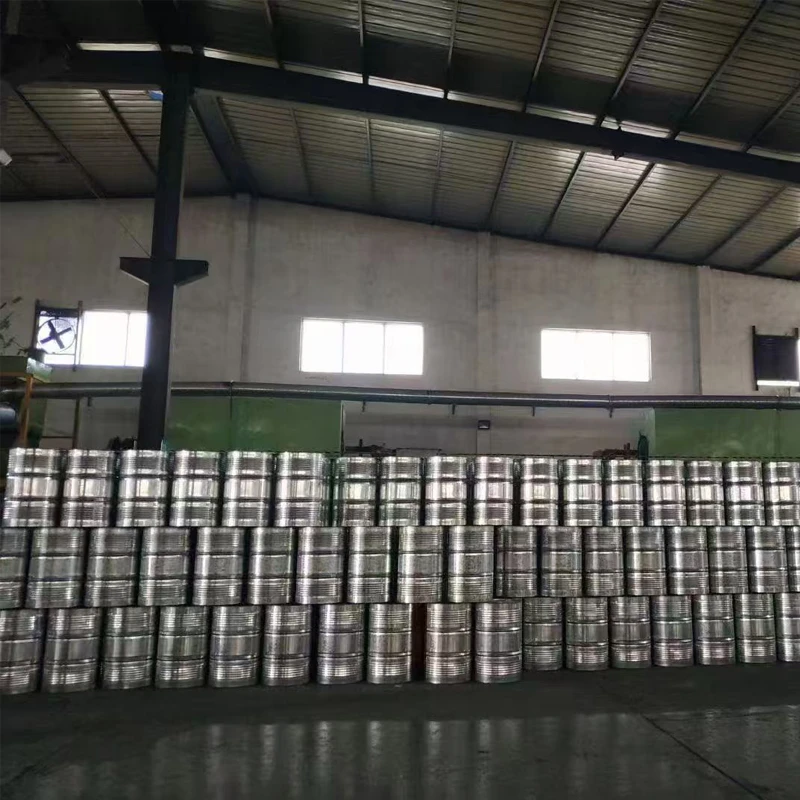
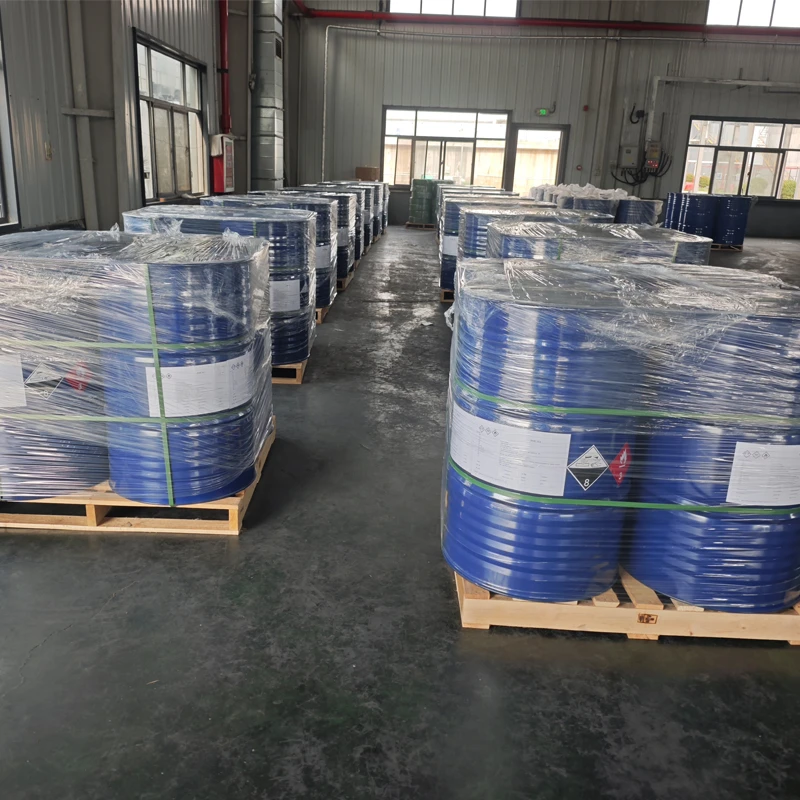
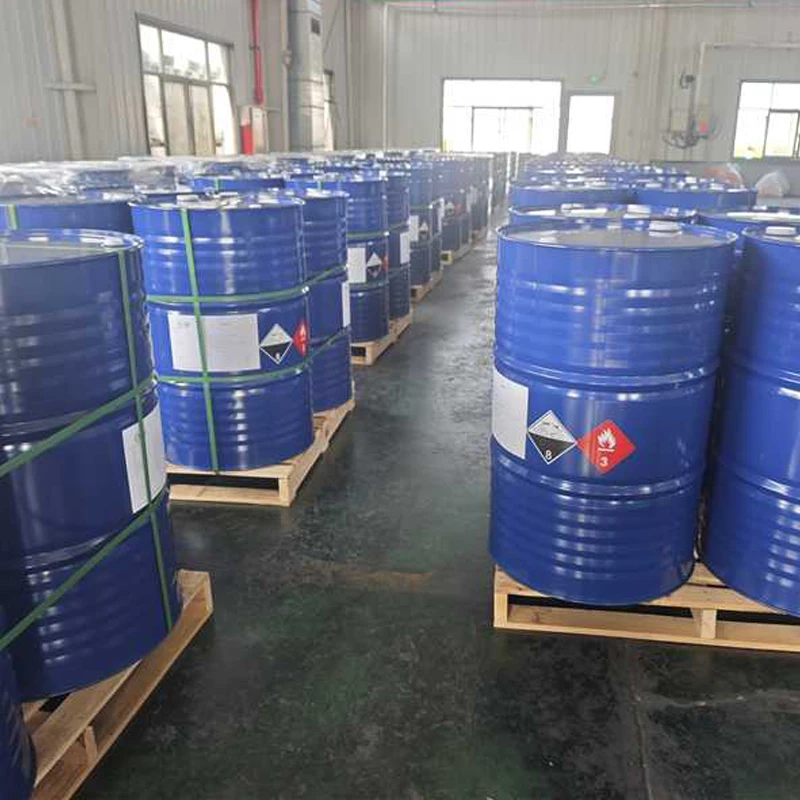
- Quality Control & Packaging: Final quality assurance tests are conducted, adhering to international standards such as ISO 9001:2015 and relevant pharmacopoeia (e.g., USP, EP) where applicable. Parameters like active matter, pH, color, and free fatty alcohol content are rigorously checked. The finished decyl glucoside for sale is then transferred to appropriate packaging, such as IBCs or drums, often with nitrogen blanketing to preserve quality during storage and transport.
Adherence to strict testing standards, including ISO 22716 (Cosmetics GMP) and industry-specific protocols, ensures the consistent quality and reliability of the decyl glucoside. The service life of the chemical itself is inherently long when stored correctly in sealed container111s, typically 24-36 months. Manufacturers prioritize energy-efficient processes and waste reduction throughout, aligning with the intrinsic sustainability of the product.
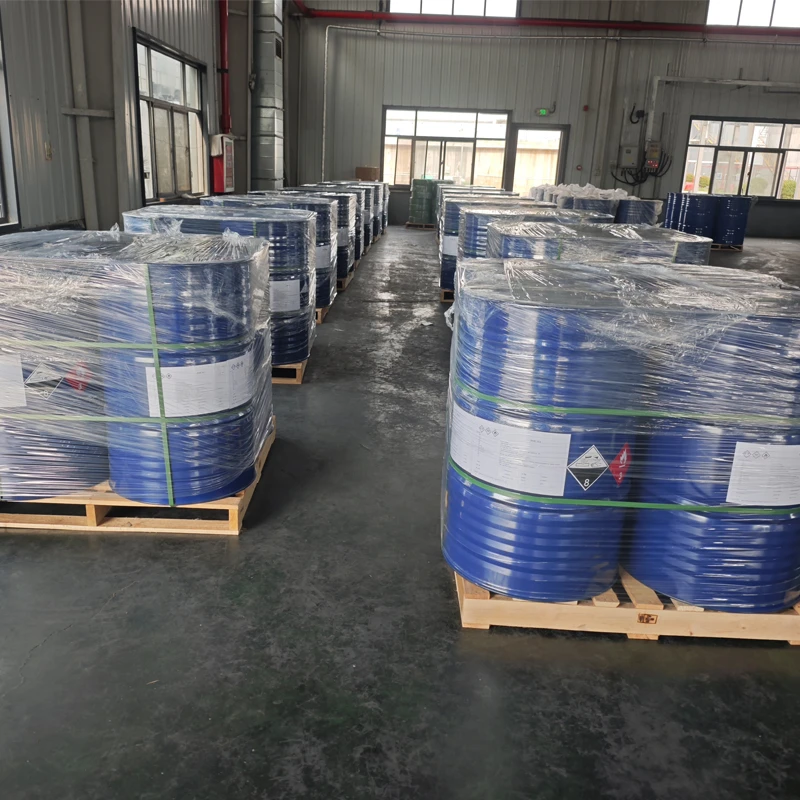
Figure 1: Conceptual illustration of a chemical manufacturing facility for ingredients like decyl glucoside.
Technical Advantages and Performance Benefits
The distinct chemical profile of decyl glucoside confers a range of technical advantages that make it highly desirable for B2B applications:
- Exceptional Mildness: As a mild, non-ionic surfactant, decyl glucoside significantly reduces the irritation potential of formulations, making it ideal for sensitive skin and baby care products. This is a crucial advantage for personal care manufacturers.
- Excellent Foaming & Foam Stability: It produces a rich, stable foam, even in the presence of oils and other foam-depressing agents, which is valuable in shampoos, body washes, and industrial cleaning agents.
- Outstanding Biodegradability: Decyl glucoside is readily biodegradable, breaking down quickly and completely in the environment. This aligns with strict environmental regulations and consumer demand for eco-friendly products, offering a compelling benefit for any business choosing decyl glucoside for sale.
- pH Stability & Compatibility: It maintains its performance across a broad pH range and integrates seamlessly with various other surfactants, allowing for flexible and robust formulation development.
- Hydrotroping Properties: Beyond its primary surfactant role, decyl glucoside can act as a hydrotrope, improving the solubility of less soluble ingredients in aqueous solutions, a valuable asset in complex formulations.
- Non-Ethoxylated & Sulfate-Free: Its production process avoids the use of ethylene oxide, eliminating concerns about 1,4-dioxane contamination. This positions it as a preferred alternative for "clean label" products.
- Corrosion Resistance (Indirect): In industrial cleaning applications, its gentle nature and rinse-off properties can contribute to less aggressive formulations, indirectly helping to preserve sensitive equipment surfaces compared to harsh, highly alkaline or acidic cleaners.
- Energy Saving (Formulation): By enabling effective cleaning and foaming at lower temperatures or with fewer rinse cycles in certain applications, it can contribute to energy efficiencies in the end-user's process.
These advantages underscore why high-quality decyl glucoside for sale is a strategic choice for manufacturers seeking to enhance product performance, meet sustainability goals, and cater to discerning markets.
Diverse Application Scenarios Across Target Industries
Decyl glucoside’s unique combination of mildness, performance, and sustainability makes it highly versatile across numerous industries. Its utility extends far beyond personal care, impacting sectors from agriculture to industrial manufacturing.
- Personal Care & Cosmetics: This is the largest market segment. Decyl glucoside is extensively used in shampoos, body washes, facial cleansers, baby products, and sensitive skin formulations. Its mildness reduces skin irritation while effectively cleansing and providing desirable foam characteristics. The trend for natural and organic cosmetics fuels the demand for decyl glucoside wholesale.
- Household & Institutional (H&I) Cleaning: Its biodegradability and effective cleaning power make it suitable for dishwashing liquids, laundry detergents, surface cleaners, and floor cleaners. It offers a powerful yet environmentally friendly alternative to traditional petrochemical-based surfactants.
- Industrial Cleaning & Process Aids: In industrial settings, decyl glucoside is used in metalworking fluids, textile processing, and hard surface cleaning. Its ability to emulsify oils and disperse particulate matter, combined with its non-corrosive nature, makes it effective for maintaining machinery and equipment without harsh chemical residues.
- Agriculture: As a co-surfactant in agrochemical formulations, it improves the spreading and penetration of pesticides and herbicides, enhancing their efficacy and ensuring more uniform distribution on plant surfaces.
- Oil & Gas: In specialized drilling fluids and enhanced oil recovery (EOR) applications, its surfactant properties can help reduce interfacial tension, improving oil displacement and recovery rates.
- Pharmaceuticals: Due to its mildness and low toxicity, it can be used in pharmaceutical excipients, as a solubilizer or emulsifier in topical formulations, and even in oral care products.
The broad applicability of decyl glucoside bulk procurement highlights its critical role in enabling manufacturers across diverse sectors to formulate effective, safe, and environmentally responsible products.
Industry Trends and Market Dynamics for Decyl Glucoside
The market for decyl glucoside is shaped by several powerful trends. The overarching drive towards sustainability continues to be the primary catalyst. Consumers are increasingly scrutinizing product labels for 'natural', 'organic', and 'chemical-free' claims, putting pressure on brands to reformulate with ingredients like decyl glucoside.
Regulatory bodies worldwide, such as the EU's REACH (Registration, Evaluation, Authorisation and Restriction of Chemicals) and similar initiatives in North America and Asia, are pushing for stricter controls on chemical use, favoring substances with proven biodegradability and low ecotoxicity. This regulatory environment inherently boosts the demand for eco-friendly surfactants.
Technological advancements in biosynthesis and fermentation processes are also making the production of bio-based surfactants more efficient and cost-effective, further enhancing the competitive edge of products like decyl glucoside. The growth in specialized market segments, such as premium organic personal care and hypoallergenic products, further solidifies the market position for high-quality decyl glucoside for sale. The rise of caprylyl decyl glucoside, a blend offering optimized performance characteristics, also reflects the industry's continuous innovation in APG chemistry to meet specific formulation needs.
Vendor Comparison and Selection Criteria for B2B Buyers
When sourcing decyl glucoside for sale, B2B buyers must evaluate vendors based on more than just price. Strategic procurement requires a holistic assessment of product quality, supply chain resilience, and technical support. Here are critical criteria for selection:
- Purity and Consistency: Demand verifiable Certificates of Analysis (CoA) for each batch. Consistency in active matter, pH, and absence of impurities (e.g., free fatty alcohol) is paramount for stable formulations.
- Certifications and Compliance: Look for vendors with ISO 9001 (Quality Management), ISO 14001 (Environmental Management), and ideally ISO 22716 (Cosmetics GMP) if for personal care. Compliance with Kosher, Halal, RSPO (for palm-derived materials), and ECOCERT/COSMOS standards demonstrates commitment to ethical and sustainable sourcing.
- Supply Chain Reliability: Evaluate a vendor's ability to maintain consistent supply, especially for decyl glucoside bulk orders. This includes production capacity, inventory management, and logistics infrastructure.
- Technical Support & Expertise: A strong vendor provides expert technical assistance, aiding in formulation development, troubleshooting, and offering insights into new applications or regulatory changes.
- Sustainability Practices: Assess the vendor's commitment to sustainable manufacturing, including energy efficiency, waste reduction, and responsible sourcing of raw materials.
- Years of Service & Client Portfolio: Longevity in the market and a robust portfolio of satisfied clients attest to a vendor's reliability and experience.
Choosing a vendor that aligns with these criteria ensures not only a high-quality product but also a strategic partnership that supports long-term business goals.
Customized Solutions and Formulation Support
Leading suppliers of decyl glucoside understand that off-the-shelf solutions may not always meet the unique requirements of every client. Therefore, many offer customized solutions and comprehensive formulation support.
- Tailored Concentrations: While standard concentrations (e.g., 50-55% active matter) are common for decyl glucoside for sale, specific applications might benefit from higher or lower active content, optimized for viscosity or handling properties.
- Blended Formulations: Suppliers can develop custom blends of decyl glucoside with other compatible surfactants or additives (like caprylyl decyl glucoside) to achieve desired characteristics such as enhanced foam, improved mildness, or better emulsification for specific product types.
- Packaging Options: From small drums for R&D to large IBCs or bulk tankers for large-scale production, flexible packaging solutions ensure efficient handling and storage for clients.
- Technical Consultation: This includes assisting clients with formulation challenges, recommending starting formulations, and providing data on compatibility and stability. Companies with extensive R&D capabilities can significantly shorten a client's product development cycle.
This partnership approach extends beyond simply supplying a chemical; it involves understanding client-specific needs and providing solutions that drive innovation and market success.
Application Case Studies: Realizing the Value of Decyl Glucoside
Real-world applications demonstrate the tangible benefits of incorporating decyl glucoside into commercial products.
-
Case Study 1: Premium Organic Baby Shampoo
A leading organic baby care brand sought to reformulate its shampoo to achieve even greater mildness and a richer, creamier foam, without compromising its 'natural' ingredient profile. By switching from a blend of coco-betaine and sodium coco-sulfate to a primary system featuring decyl glucoside wholesale (at 15% active matter in the final product) combined with lauryl glucoside, they achieved a significant reduction in eye irritation scores (demonstrated via HET-CAM testing) and a 20% increase in consumer-perceived foam quality. This enhanced formulation led to a 15% increase in market share in the sensitive skin baby care segment within 18 months. -
Case Study 2: Industrial Degreaser for Metalworking
An automotive manufacturing plant was experiencing issues with residue build-up on precision metal parts after degreasing, requiring additional rinsing steps and increasing water consumption. Their existing degreaser used traditional ethoxylated non-ionics. By reformulating with decyl glucoside bulk (at 5% concentration) and a specific chelating agent, the new degreaser demonstrated superior oil emulsification and dispersion, leading to cleaner parts and a 30% reduction in rinse water usage. The biodegradable nature of decyl glucoside also simplified their wastewater treatment process, reducing operational costs and environmental impact. -
Case Study 3: Eco-Friendly Household All-Purpose Cleaner
A consumer goods company aimed to develop a new line of 'green' household cleaners certified by eco-labels. They needed a surfactant that offered robust cleaning performance against grease and grime, rapid biodegradability, and was derived from renewable resources. Decyl glucoside for sale was selected as the primary surfactant, combined with an effective solubilizer. Internal testing showed comparable cleaning efficacy to conventional benchmarks, alongside a 95% biodegradability rate within 28 days (OECD 301B). This enabled the product line to achieve critical eco-certifications, unlocking access to environmentally conscious consumer markets and driving strong sales growth.
These case studies highlight the diverse and impactful applications of decyl glucoside, affirming its role as a key enabler for sustainable product development and operational efficiency.
Frequently Asked Questions (FAQ) about Decyl Glucoside
- Q1: Is decyl glucoside truly 'natural' or 'green'?
- A1: Yes, decyl glucoside is derived from 100% renewable plant-based raw materials: glucose from corn starch and fatty alcohols (decyl alcohol) from coconut or palm kernel oil. It is readily biodegradable and does not contain petroleum-based components, ethoxylates, or sulfates, making it an excellent choice for 'green' formulations.
- Q2: What is the primary difference between decyl glucoside and other common surfactants like SLES or Cocamidopropyl Betaine?
- A2: Decyl glucoside is a non-ionic APG surfactant, renowned for its exceptional mildness, biodegradability, and the absence of sulfates or ethoxylates (avoiding 1,4-dioxane). SLES (Sodium Laureth Sulfate) is an anionic surfactant known for strong foaming but can be irritating and contains ethoxylates. Cocamidopropyl Betaine is an amphoteric surfactant, also mild, often used as a co-surfactant to boost foam and reduce irritation, but it's not purely plant-derived like decyl glucoside and may contain trace impurities like amidoamine.
- Q3: Can decyl glucoside be used in low pH formulations?
- A3: Decyl glucoside exhibits excellent stability across a broad pH range, from acidic to alkaline conditions. Its non-ionic nature means its performance is less affected by pH changes compared to ionic surfactants, making it highly versatile for various formulations.
- Q4: What is the typical shelf life for decyl glucoside bulk?
- A4: When stored in original, sealed container111s at recommended temperatures (typically cool, dry conditions away from direct sunlight), decyl glucoside generally has a shelf life of 24 to 36 months from the manufacturing date. Always refer to the specific product's Certificate of Analysis and Material Safety Data Sheet (MSDS) for precise storage and expiry information.
Lead Time, Fulfillment, and Warranty Commitments
Reliable supply chain management is paramount for B2B chemical sourcing. Our commitment to clients acquiring decyl glucoside for sale includes:
- Lead Time: Standard orders for decyl glucoside typically have a lead time of 7-14 business days for domestic shipments and 3-6 weeks for international deliveries, subject to stock availability and logistical routes. For decyl glucoside wholesale or bulk orders, lead times will be confirmed upon inquiry, considering current production schedules.
- Fulfillment: We ensure secure and efficient packaging in industry-standard container111s (200kg drums, 1000kg IBCs, or bulk tankers) to maintain product integrity during transit. All shipments are accompanied by comprehensive documentation, including CoAs, MSDSs, and shipping manifests.
- Warranty: Our decyl glucoside products are guaranteed to meet or exceed the specifications outlined in the Certificate of Analysis for a period of 12 months from the date of shipment, provided proper storage conditions are maintained. Any product found not to conform to these specifications during the warranty period will be subject to replacement or credit, according to our terms and conditions.
This commitment underscores our dedication to quality and customer satisfaction, ensuring a trustworthy partnership for your supply needs.
Customer Support and After-Sales Service
Our dedication to clients extends well beyond the initial purchase of decyl glucoside for sale. We provide robust customer support and after-sales service to ensure seamless integration and optimal performance of our products in your applications:
- Technical Assistance Hotline: Access to our team of experienced chemical engineers and technical specialists for real-time support, formulation advice, and troubleshooting.
- Dedicated Account Management: Each client is assigned a dedicated account manager to streamline communication, manage orders, and provide personalized service tailored to specific business needs.
- Regulatory & Documentation Support: Assistance with understanding regulatory requirements for various markets and providing all necessary documentation for product registration and compliance.
- Sample Request Program: Facilitating sample requests for R&D and pilot testing, complete with technical data sheets.
- Quality Assurance & Feedback Loop: A systemized process for handling quality inquiries, providing thorough investigations, and integrating feedback to continuously improve product and service delivery.
This comprehensive support structure ensures that our partners receive not just a product, but a complete solution and a reliable technical ally.
Conclusion
Decyl glucoside represents a pivotal advancement in sustainable chemistry, offering an unparalleled blend of mildness, performance, and environmental responsibility. Its broad applicability across personal care, household, industrial, and specialized sectors underscores its versatility and strategic value. For B2B buyers, understanding the technical specifications, robust manufacturing processes, and comprehensive support services available when procuring decyl glucoside for sale is essential for making informed decisions. By partnering with suppliers committed to quality, innovation, and sustainability, businesses can leverage decyl glucoside to develop superior products that meet evolving market demands and drive future growth in a greener economy.
References
- Smith, M. (2019). The Role of Alkyl Polyglucosides in Green Chemistry and Sustainable Surfactant Production. Journal of Applied Surfactant Chemistry, 15(3), 187-201.
- European Chemicals Agency (ECHA). (2023). Registration, Evaluation, Authorisation and Restriction of Chemicals (REACH). Retrieved from [ECHA's official website]
- OECD. (2006). OECD Guidelines for the Testing of Chemicals, Section 3: Degradation and Accumulation. OECD Publishing.
- Schumacher, K. (2021). Natural Surfactants: Properties, Applications, and Market Trends. Cosmetics & Toiletries Magazine, 136(6), 42-47.