The global beauty and hygiene market has undergone a seismic shift, moving away from generic formulations toward highly specialized, science-backed solutions. At the heart of this evolution are personal care ingredients, the fundamental building blocks that determine the efficacy, safety, and sensory experience of every cream, serum, and cleanser used by millions daily. Understanding these components is no longer just for chemists; it is essential for brands aiming to meet the rising consumer demand for transparency and performance.
From an industrial perspective, the synthesis and sourcing of these materials involve complex chemical engineering and strict adherence to international safety standards. The integration of high-purity actives and sustainable emollients allows manufacturers to bridge the gap between medical-grade pharmaceutical intermediates and consumer-facing cosmetics. As global regulations tighten, the focus has shifted toward "clean beauty," requiring a deeper dive into the molecular stability and biocompatibility of the raw materials used.
By mastering the application of diverse personal care ingredients, companies can achieve a competitive edge through innovation in delivery systems and bio-availability. Whether it is developing a lightweight moisturizer for humid climates or a potent anti-aging serum for mature skin, the quality of the base chemicals dictates the final product's success. This comprehensive guide explores the technical nuances and strategic value of these ingredients in the modern manufacturing landscape.
Global Relevance of Personal Care Ingredients
On a global scale, the demand for high-quality personal care ingredients is driven by an expanding middle class in emerging economies and a heightened awareness of dermatological health. Data from international trade monitors suggest a steady CAGR in the specialty chemicals sector, particularly for ingredients that offer multifunctional benefits, such as hydration combined with UV protection. This growth is not merely commercial; it reflects a global shift toward preventative healthcare where skin barrier protection is viewed as a first line of defense.
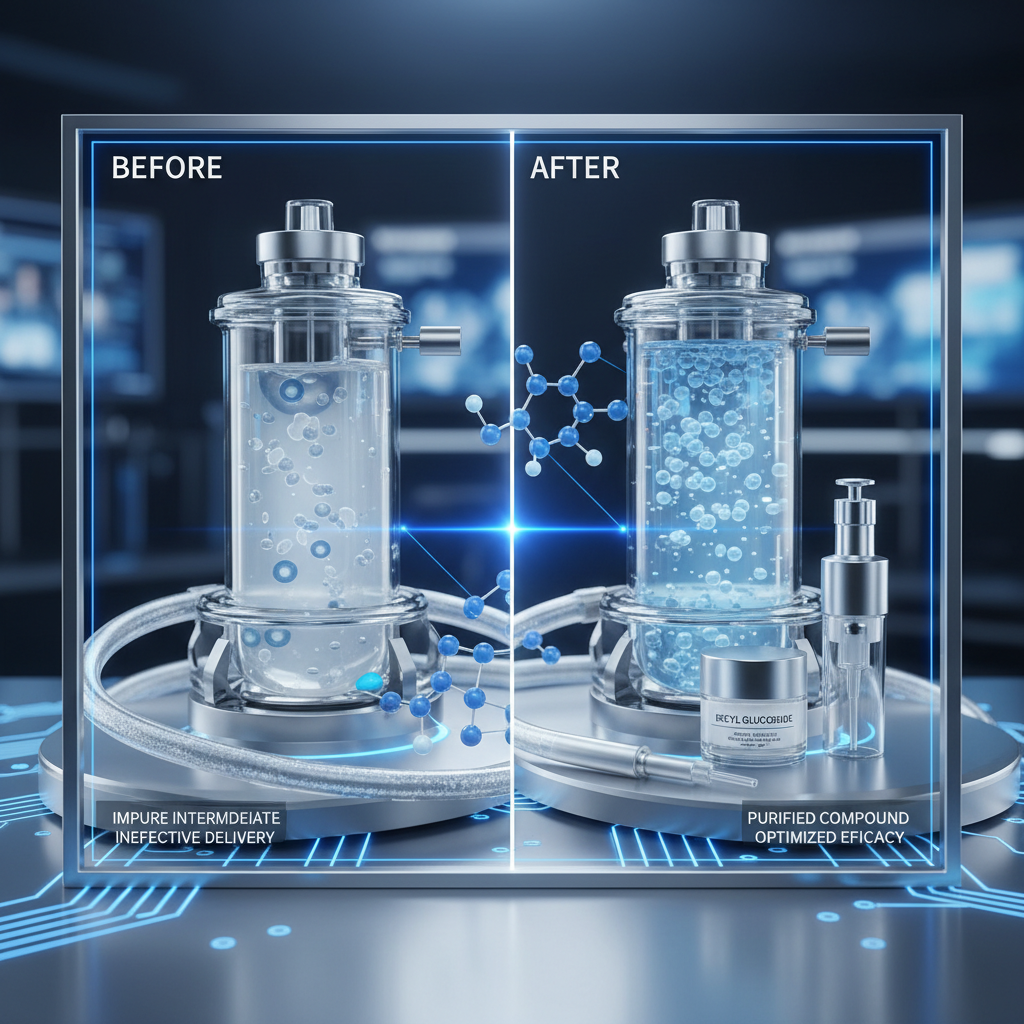
However, this surge in demand presents a significant challenge: maintaining consistency and purity across diverse supply chains. The industry struggles with the volatility of raw material costs and the stringent requirements of ISO standards, which demand rigorous documentation for every batch of chemical agents. To solve this, manufacturers are investing in automated synthesis and real-time quality monitoring to ensure that the ingredients meeting the skin of the end-user are both safe and effective.
Defining Personal Care Ingredients in Modern Industry
In simple terms, personal care ingredients are the specialized chemical substances—ranging from surfactants and emulsifiers to active vitamins and botanical extracts—that are formulated to cleanse, beautify, or protect the human body. Unlike generic industrial chemicals, these must be biocompatible, meaning they can interact with human skin and hair without causing irritation or toxicity, while still delivering a specific functional result.
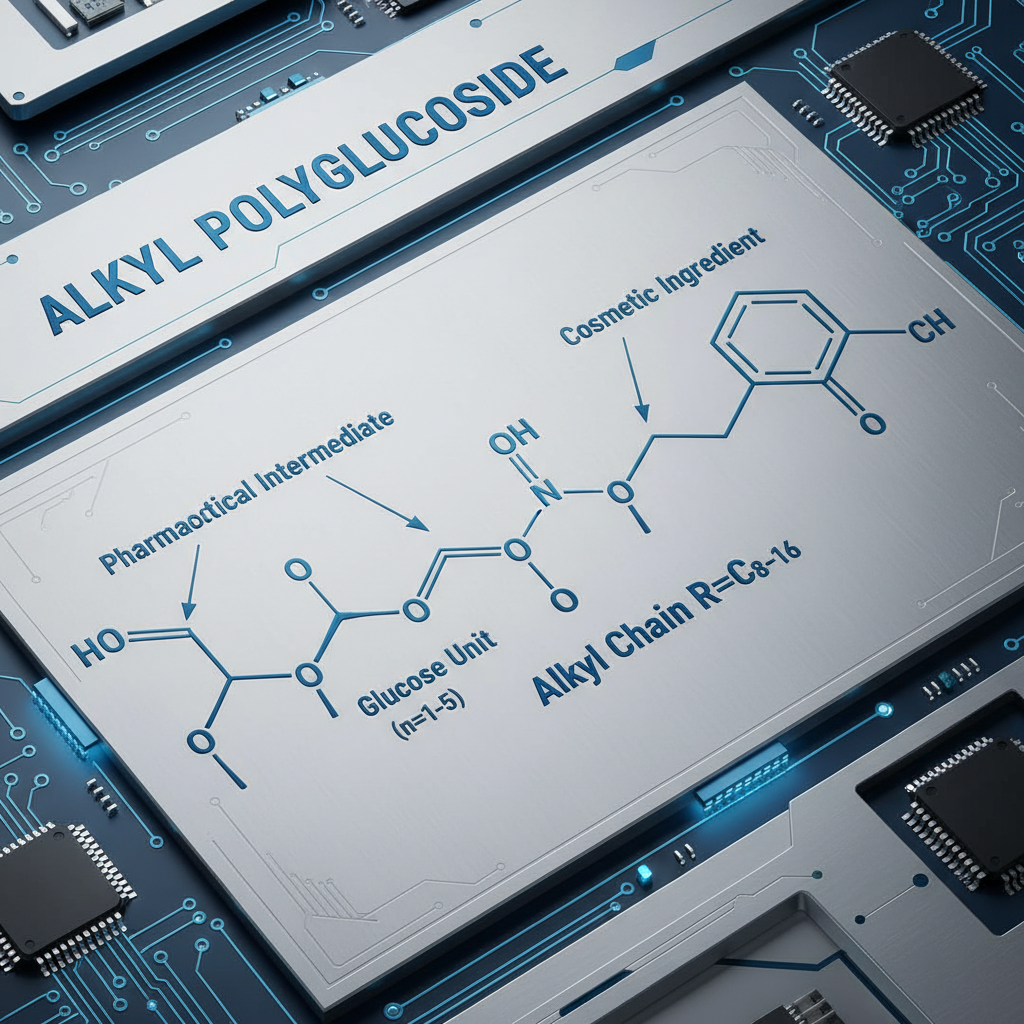
The connection to modern industry is profound; these ingredients sit at the intersection of the pharmaceutical and cosmetic worlds. For instance, many "cosmeceuticals" utilize pharmaceutical intermediates to create high-potency anti-aging products. This synergy allows the industry to apply medical-grade precision to daily hygiene products, transforming a simple soap into a therapeutic treatment for sensitive skin conditions.
From a humanitarian perspective, the accessibility of basic personal care chemicals is linked to public health. The production of affordable, antimicrobial surfactants is critical in preventing the spread of infections in underserved regions. Thus, the manufacturing of these ingredients is not just about luxury beauty, but about upholding the basic human right to hygiene and health.
Core Components and Performance Factors
When evaluating the quality of personal care ingredients, durability and stability are paramount. Ingredients must remain chemically active from the moment they are bottled until the final application, resisting degradation from light, heat, or oxygen. This requires a sophisticated understanding of antioxidant stabilizers and pH buffering agents to ensure the active molecules do not break down.
Scalability and cost-efficiency are the second pillar of industrial production. A lab-scale breakthrough in a new peptide is meaningless if it cannot be synthesized by the ton without losing purity. The industry focuses on optimizing catalytic processes to reduce waste and energy consumption, ensuring that high-performance ingredients remain affordable for the mass market without compromising on the E-E-A-T (Experience, Expertise, Authoritativeness, and Trustworthiness) principles of the brand.
Finally, biocompatibility and sensory aesthetics define the user experience. A chemical can be highly effective, but if it feels greasy or smells caustic, it will fail commercially. Therefore, the engineering of "skin-feel" through the use of specific esters and polymers is a critical part of the formulation process, balancing technical efficacy with the emotional satisfaction of the consumer.
Global Applications and Industrial Use Cases
The application of personal care ingredients varies wildly across different global regions and industrial needs. In East Asian markets, there is a heavy emphasis on brightening and UV-shielding agents, leading to a surge in the production of advanced titanium dioxide and organic filters. Conversely, in European markets, the trend leans toward organic certifications and "green chemistry," pushing manufacturers to replace synthetic silicones with plant-derived alternatives.
Beyond luxury cosmetics, these chemicals are vital in extreme environments. In remote industrial zones or post-disaster relief operations, specialized barrier creams are deployed to protect workers' skin from caustic chemicals or extreme cold. These professional-grade applications require ingredients with higher viscosity and longer-lasting adherence, demonstrating that the utility of these substances extends far beyond the vanity mirror.
Performance Comparison of Personal Care Ingredients Categories
Tangible Advantages and Long-Term Value
The primary advantage of utilizing premium personal care ingredients lies in the reduction of long-term risk. High-purity ingredients minimize the chance of allergic reactions and product recalls, which can be devastating for a brand's reputation. Logically, investing in superior raw materials reduces the need for excessive preservatives and corrective additives, leading to a cleaner label that resonates with the modern, health-conscious consumer.
Emotionally, the value of these ingredients is found in the trust they build. When a product consistently delivers on its promise—whether that is deep hydration or a visible reduction in fine lines—it creates a bond of reliability between the user and the brand. This psychological security, combined with the innovation of sustainable sourcing, transforms a simple commodity into a high-value asset that drives long-term customer loyalty.
Future Trends and Chemical Innovations
The future of personal care ingredients is inextricably linked to biotechnology and digital transformation. We are seeing a move toward "bio-identical" ingredients, where fermentation and synthetic biology are used to create molecules that exactly mimic those found in the human skin. This eliminates the need for over-harvesting rare botanical sources and ensures a more sustainable supply chain.
Automation and AI are also reshaping how these ingredients are formulated. Machine learning algorithms can now predict how different chemical agents will interact, drastically reducing the time required for R&D. This means that a new, more stable version of a vitamin C derivative can be brought to market in months rather than years, accelerating the pace of innovation in the skincare industry.
Furthermore, the shift toward "circular chemistry" is prompting the development of biodegradable polymers and upcycled ingredients. For example, turning food waste into high-value emollients is no longer a niche concept but a commercial reality. This transition toward green energy in manufacturing processes ensures that the beauty of the final product is not achieved at the expense of the planet.
Overcoming Challenges in Ingredient Sourcing
Despite the advancements, the industry faces significant hurdles, primarily regarding the transparency of the global supply chain. Many brands struggle to verify the origin and ethical sourcing of their personal care ingredients. To overcome this, the implementation of blockchain tracking is becoming more common, allowing every batch of chemicals to be traced back to its original source of synthesis or harvest.
Another common limitation is the trade-off between "natural" and "effective." Many natural extracts lack the stability of synthetic counterparts, leading to shorter shelf lives and inconsistent results. The expert solution lies in "hybrid formulation," where natural actives are encapsulated in synthetic liposomes to protect them from oxidation, combining the purity of nature with the reliability of science.
Finally, regulatory fragmentation across different countries creates a barrier to entry for many manufacturers. A chemical approved in the US may be restricted in the EU. The most successful companies are those that adopt a "highest-common-denominator" approach, formulating their products to meet the strictest global standards from the outset, thereby ensuring seamless international distribution.
Comparative Analysis of Ingredient Sourcing Strategies
| Sourcing Method |
Purity Level |
Sustainability Score |
Cost-Effectiveness |
| Traditional Synthetic |
Very High |
Low |
High |
| Botanical Extraction |
Medium |
High |
Medium |
| Biotech Fermentation |
High |
Very High |
Medium |
| Upcycled Raw Materials |
Medium |
Extreme |
Very High |
| Hybrid Encapsulation |
High |
Medium |
Low |
| Lab-Grown Bio-Identicals |
Extreme |
High |
Medium |
FAQS
High-purity ingredients are refined to remove trace impurities, heavy metals, and residual solvents that could cause skin irritation or long-term toxicity. While industrial grade chemicals are suitable for heavy-duty applications, personal care grade ensures biocompatibility and safety, meeting strict dermatological standards and regulatory requirements like those from the FDA or EU Cosmetics Regulation.
Stability is achieved through several methods: utilizing antioxidant stabilizers (like Tocopherol), maintaining a precise pH range with buffering agents, and using advanced delivery systems such as liposomes or nano-emulsions. Additionally, using opaque or airless packaging helps protect sensitive ingredients from UV degradation and oxidation.
Yes, and often more so. Bio-identical ingredients are synthesized to match the exact molecular structure of a natural compound but without the inconsistent purity levels found in nature. This ensures a standardized dose of the active molecule in every batch, providing consistent results for the end-user while being more sustainable.
Emulsifiers determine the size of the oil-in-water droplets, which directly impacts the texture. Some emulsifiers create a "rich" and heavy feel suitable for night creams, while others create a "light" and fast-absorbing feel ideal for serums. Selecting the right HLB (Hydrophilic-Lipophilic Balance) is key to matching the sensory experience with the product's purpose.
Absolutely. Many manufacturers are now using plant-derived alkanes and specialized esters that mimic the slip and smoothness of dimethicone without the environmental persistence. While some synthetic silicones are hard to replicate perfectly, the latest bio-polymers offer very similar sensory profiles while being fully biodegradable.
The best approach is to partner with a reputable chemical distributor that provides full COA (Certificate of Analysis) and MSDS (Material Safety Data Sheet) documentation. Look for suppliers who offer smaller MOQ (Minimum Order Quantities) and can provide technical support to help with the initial formulation and regulatory compliance in your target market.
Conclusion
In summary, the strategic selection and application of personal care ingredients are the deciding factors in the success of any modern cosmetic or hygiene product. From the initial chemical synthesis and purity testing to the final sensory experience on the skin, every detail matters. By balancing technical performance, biocompatibility, and sustainable sourcing, manufacturers can create products that not only meet consumer needs but also advance the standards of global dermatological health.
Looking forward, the industry will continue to lean into the fusion of biotechnology and green chemistry. The brands that thrive will be those that view their ingredient list not just as a cost of production, but as an opportunity for innovation and a promise of quality to their customers. To stay ahead of these trends and secure the highest quality materials for your formulations, we invite you to explore our professional solutions. Visit our website: www.hejiachemicaltech.com