
Introduction to the Triazine Ring
The Triazine Ring is a six-membered aromatic heterocyclic compound containing three nitrogen atoms. This unique structure serves as a foundational framework in various chemical and pharmaceutical applications, including the synthesis of herbicides, resins, dyes, and biologically active molecules. Its stability, reactivity, and adaptability make it an indispensable tool in modern material science and drug development. 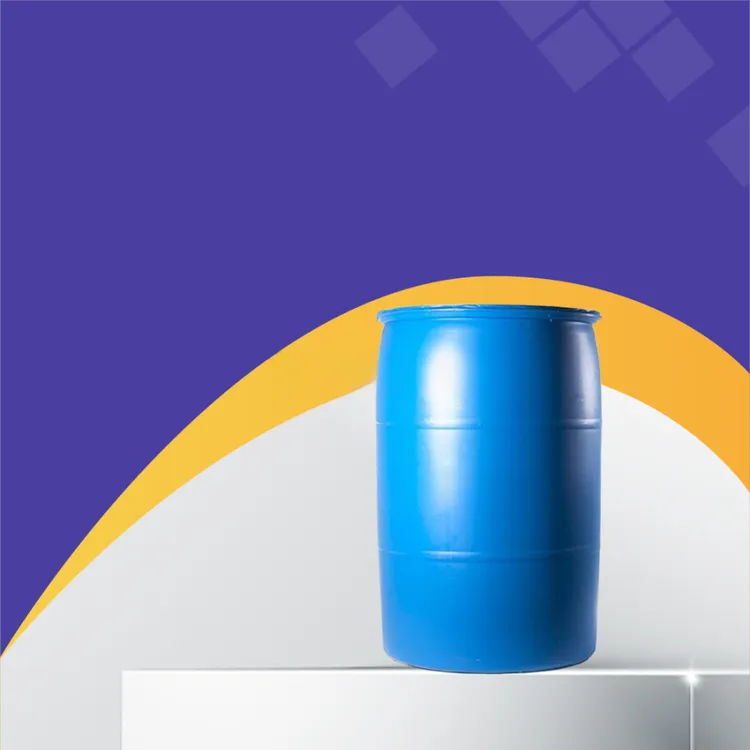
Key Features and Technical Specifications
| Parameter | Details |
|---|---|
| CAS Number | 290-87-9 |
| Molecular Formula | C₃H₃N₃ |
| Molecular Weight | 85.07 g/mol |
| Structure | Hexagonal ring with three nitrogen atoms |
| Physical State | White crystalline solid |
| Solubility | Insoluble in water; soluble in organic solvents (e.g., ethanol, acetone) |
| Aromaticity | Highly aromatic, with conjugated π-electron system |
| Reactivity | Undergoes nucleophilic substitution, electrophilic aromatic substitution, and crosslinking reactions |
The Triazine Ring’s technical specifications highlight its versatility. Its aromaticity and electron-deficient nature enable it to act as a scaffold for functionalization, making it ideal for designing advanced materials and pharmaceuticals. The ring’s stability under various conditions ensures its reliability in industrial and research settings.
Applications in Chemical Synthesis
The Triazine Ring is a cornerstone in chemical synthesis, with applications spanning agrochemicals, polymers, and catalysts. For instance, triazine derivatives like atrazine and simazine are widely used as herbicides due to their high selectivity and environmental stability. These compounds inhibit photosynthesis in weeds, offering effective crop protection without harming the environment.
In polymer chemistry, triazine-based crosslinkers enhance the durability and chemical resistance of specialty resins and coatings. This makes them critical in industries requiring high-performance materials, such as aerospace and automotive sectors. Additionally, the ring’s electron-deficient properties enable its use in designing advanced organic materials, including UV stabilizers and energy storage components.
Pharmaceutical and Biomedical Relevance
The Triazine Ring plays a pivotal role in pharmaceutical research. Its ability to interact with diverse biological targets makes it a valuable framework for developing antiviral, anticancer, and antimicrobial agents. For example, triazine-based compounds are used in the synthesis of antiretroviral drugs and chemotherapy agents, leveraging their molecular flexibility for targeted therapies.
The ring’s synthetic accessibility allows for extensive molecular modification, enabling researchers to optimize drug efficacy and reduce side effects. This adaptability is crucial in addressing challenges like drug resistance and improving therapeutic outcomes. Furthermore, triazine derivatives are employed in diagnostic imaging and drug delivery systems, expanding their biomedical applications.
Structural Advantages and Reactivity
The Triazine Ring’s structural advantages stem from its aromaticity and symmetric structure. This stability allows it to undergo nucleophilic substitution reactions, making it a flexible platform for functionalization. The ring’s tunable electronic properties are particularly beneficial in material science, enabling the development of advanced dyes, UV stabilizers, and energy materials.
For instance, triazine-based dyes are used in textiles and electronics due to their vibrant colors and lightfastness. In energy applications, the ring’s electron-deficient nature enhances its ability to absorb light, making it a key component in solar cell technologies. These properties underscore the Triazine Ring’s role as a cornerstone of innovation in material science.
Advancements in Material Science and Technology
Beyond pharmaceuticals, the Triazine Ring has become a vital asset in materials science. It is utilized in the synthesis of high-performance polymers and electronic materials, including semiconductors and solar cell components. The ring’s electron-deficient nature allows for precise tuning of material properties, such as conductivity, thermal resistance, and light absorption.
Additionally, the Triazine Ring’s capacity to serve as a ligand in metal-organic frameworks (MOFs) opens new avenues in catalysis and gas storage technologies. MOFs incorporating triazine rings exhibit exceptional porosity and stability, making them ideal for applications like carbon capture and hydrogen storage. These innovations highlight the ring’s potential to address global challenges in energy and sustainability.
Company Background: Hebei Hejia Pharmaceutical Technology Group Co., Ltd.
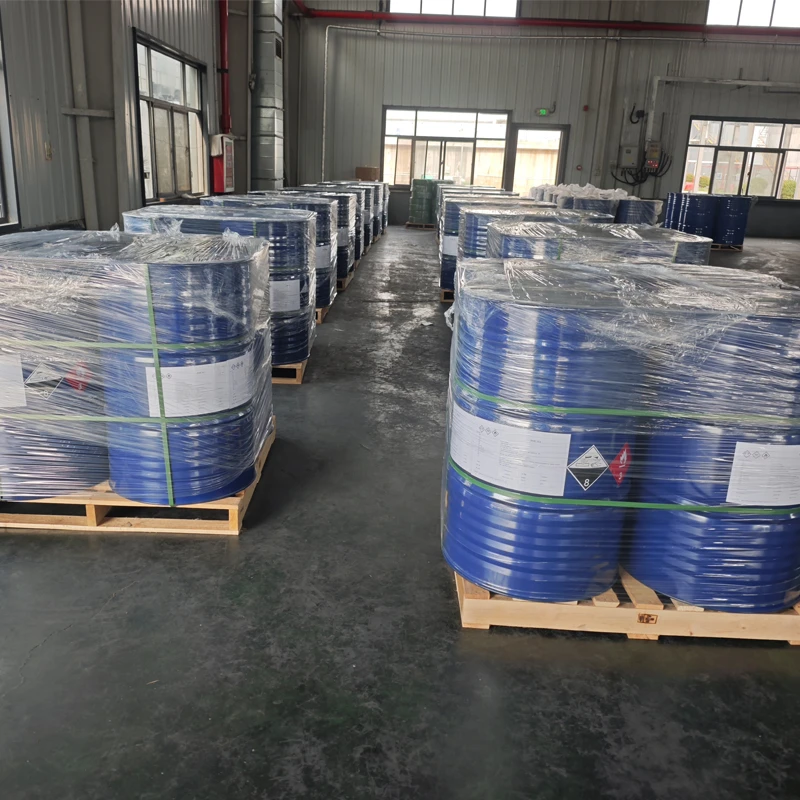
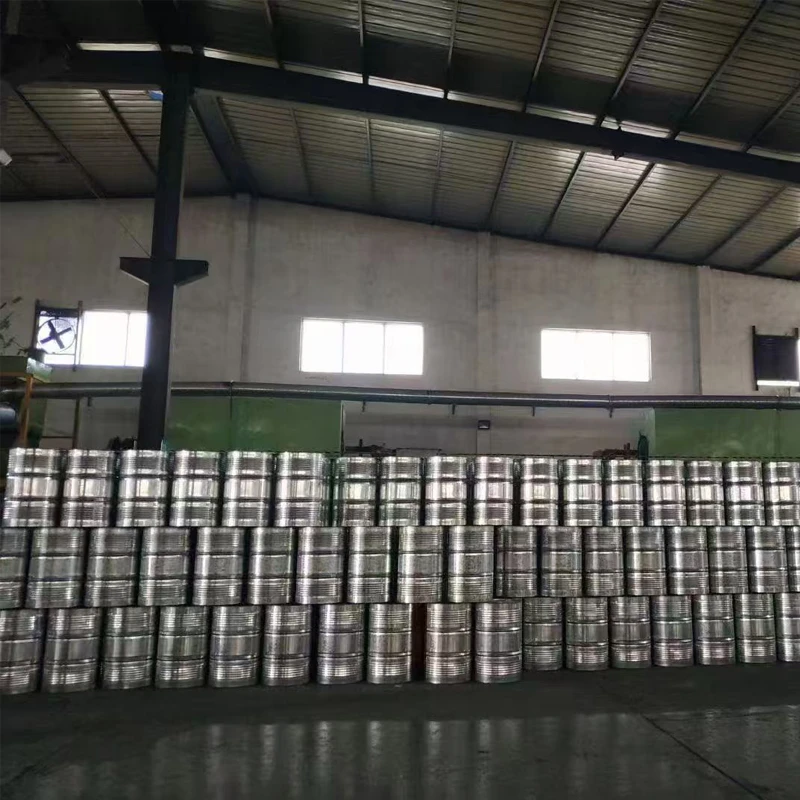
As a leader in chemical innovation, Hebei Hejia Pharmaceutical Technology Group Co., Ltd. specializes in the development and production of high-purity chemical intermediates, including the Triazine Ring. With a commitment to quality and sustainability, the company serves a global clientele in pharmaceuticals, agriculture, and materials science. Their state-of-the-art facilities and rigorous quality control processes ensure that their products meet the highest industry standards.
Hebei Hejia’s expertise in bulk drug intermediates positions them as a trusted partner for researchers and manufacturers. The company’s dedication to research and development drives the creation of cutting-edge solutions, supporting advancements in drug discovery, agrochemicals, and advanced materials.
Authoritative Insights from NIST
The National Institute of Standards and Technology (NIST) underscores the importance of precise chemical measurements and standards in advancing scientific research. According to NIST, "Accurate characterization of chemical structures like the Triazine Ring is critical for ensuring the reliability of materials and pharmaceuticals" (NIST). This aligns with Hebei Hejia’s commitment to delivering high-quality intermediates that meet rigorous scientific and industrial benchmarks.
Conclusion
The Triazine Ring (CAS No.: 290-87-9) exemplifies the intersection of chemistry, material science, and pharmaceutical innovation. Its unique properties and versatility make it an essential component in diverse applications, from agrochemicals to renewable energy technologies. As a leader in chemical synthesis, Hebei Hejia Pharmaceutical Technology Group Co., Ltd. continues to drive progress through its expertise in producing high-purity intermediates. For further information on the Triazine Ring and its applications, visit Hejiachemicaltech’s product page.

![Hegrecat DMCHA (N] High-Purity PU Catalyst | Fast Reactivity](https://www.hejiachemicaltech.com/images/1-3291.webp "Hegrecat DMCHA (N] High-Purity PU Catalyst | Fast Reactivity")


