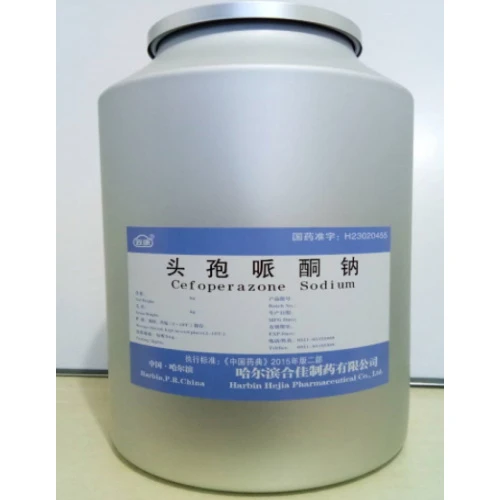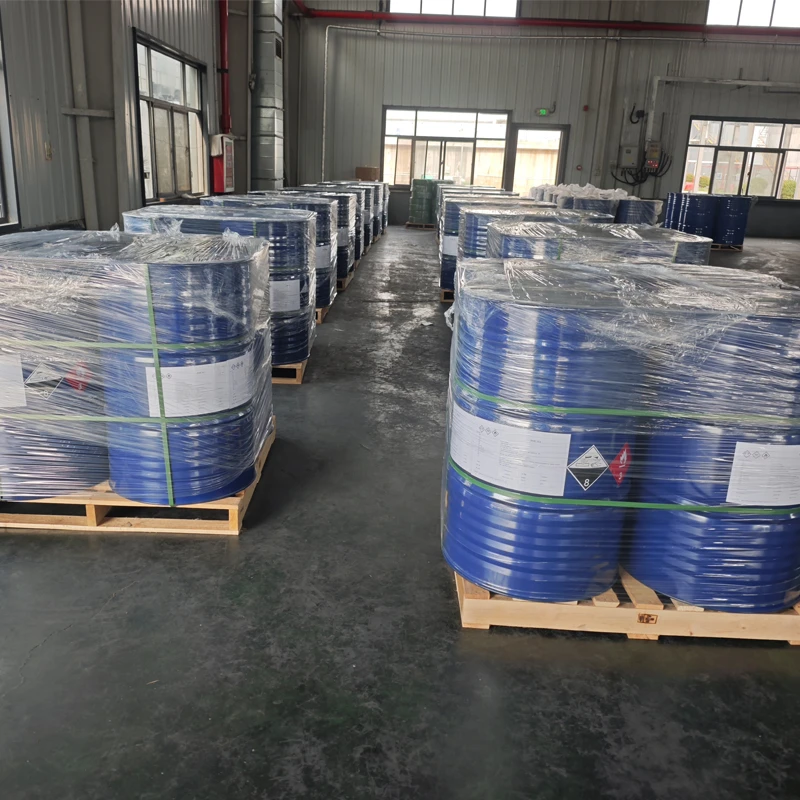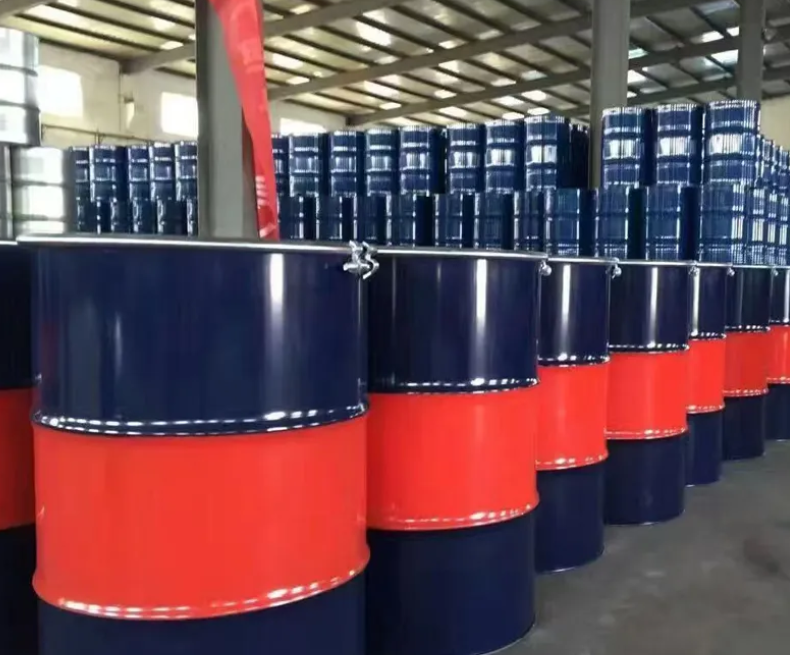
The Triazine Ring (CAS No.: 290-87-9) is a six-membered aromatic heterocyclic compound containing three nitrogen atoms. This versatile chemical structure serves as a foundational framework in various industries, including agrochemicals, pharmaceuticals, and advanced materials. Manufactured by Hebei Hejia Pharmaceutical Technology Group Co., Ltd., the triazine ring is renowned for its stability, reactivity, and adaptability in chemical synthesis. This article explores its features, applications, and significance in modern science and technology.
Core Features of the Triazine Ring
The Triazine Ring is a critical component in the development of functional molecules due to its unique structural and chemical properties. Its aromaticity and electron-deficient nature make it an ideal scaffold for designing advanced materials and pharmaceuticals. Key features include:
- Aromatic Stability: The triazine ring exhibits aromaticity, providing exceptional chemical stability and resistance to degradation.
- Reactivity: It undergoes nucleophilic substitution reactions, enabling functionalization for diverse applications.
- Symmetry and Tunability: The ring’s symmetric structure allows for precise modifications, tailoring its properties for specific uses.
- Electron-Deficient Nature: This characteristic enhances its ability to interact with biological targets and metal ions.
These features position the Triazine Ring as a cornerstone in chemical innovation, bridging gaps between traditional and cutting-edge technologies.
Advantages in Chemical Synthesis
The Triazine Ring offers unparalleled advantages in chemical synthesis, particularly in the creation of specialized compounds. Its ability to act as an electron-deficient scaffold allows for the design of high-performance materials and catalysts. For instance, in agrochemicals, triazine derivatives like atrazine and simazine are widely used as herbicides due to their selectivity and environmental stability. In polymer chemistry, triazine-based crosslinkers enhance the durability and chemical resistance of resins and coatings.
Furthermore, the Triazine Ring’s reactivity enables the synthesis of complex molecular architectures. Its integration into bulk drug intermediates facilitates the development of pharmaceuticals with improved efficacy and safety profiles. As noted by the National Institute of Standards and Technology (NIST), such chemical frameworks are essential for advancing precision in material science and medicinal chemistry.
Pharmaceutical and Biomedical Relevance
The Triazine Ring plays a pivotal role in pharmaceutical research, serving as a structural motif in antiviral, anticancer, and antimicrobial agents. Its stability and synthetic accessibility allow for extensive molecular modification, making it a valuable tool in drug discovery. For example, triazine-based compounds are employed in the development of targeted therapies that interact with specific biological pathways, minimizing off-target effects.
According to a study by the NIST, the triazine ring’s ability to form hydrogen bonds and coordinate with metal ions enhances its bioavailability and pharmacokinetic properties. This makes it a preferred scaffold for designing drugs with improved solubility and metabolic stability. Additionally, its role in ligand design for metal-organic frameworks (MOFs) opens new avenues for catalysis and drug delivery systems.
Applications in Material Science and Technology
Beyond pharmaceuticals, the Triazine Ring is integral to the development of high-performance materials. In electronics, it is used in the synthesis of semiconductors and solar cell components, leveraging its electronic properties for efficient charge transport. Its thermal resistance and light absorption capabilities make it ideal for applications in UV stabilizers and advanced dyes.
In polymer science, triazine-based polymers are employed in coatings and resins to enhance durability and chemical resistance. The ring’s electron-deficient nature also enables the creation of conductive materials for energy storage and sensing technologies. As highlighted by Hebei Hejia Pharmaceutical Technology Group Co., Ltd., the triazine ring’s adaptability ensures its relevance in emerging fields such as quantum computing and nanotechnology.
Technical Specifications Table
| Parameter | Details |
|---|---|
| Chemical Formula | C3H3N3 |
| CAS Number | 290-87-9 |
| Molecular Weight | 84.07 g/mol |
| Aromaticity | Aromatic (three nitrogen atoms in a six-membered ring) |
| Reactivity | Nucleophilic substitution, electrophilic aromatic substitution |
| Applications | Agrochemicals, Pharmaceuticals, Polymers, Electronics |
| Stability | High thermal and chemical stability |
Company Background: Hebei Hejia Pharmaceutical Technology Group Co., Ltd.
Hebei Hejia Pharmaceutical Technology Group Co., Ltd. is a leading manufacturer of chemical intermediates, specializing in the production of high-purity compounds for industrial and research applications. With a commitment to innovation and quality, the company has established itself as a trusted supplier of bulk drug intermediates and specialty chemicals.
Founded on principles of scientific excellence and customer-centric solutions, Hebei Hejia leverages advanced synthesis techniques and rigorous quality control to meet the demands of global markets. Its expertise in triazine-based compounds underscores its role in advancing chemical research and development. The company’s dedication to sustainability and compliance with international standards ensures that its products meet the highest benchmarks for safety and performance.
Conclusion
The Triazine Ring (CAS No.: 290-87-9) exemplifies the intersection of chemistry and innovation, offering a versatile platform for scientific and industrial applications. From its role in agrochemicals to its contributions to pharmaceuticals and material science, this compound continues to drive progress in multiple fields. Hebei Hejia Pharmaceutical Technology Group Co., Ltd. remains at the forefront of its development, ensuring that the Triazine Ring remains a cornerstone of modern chemistry.
References
National Institute of Standards and Technology (NIST) provides authoritative resources on chemical standards and material properties. For further information on the triazine ring and its applications, visit the NIST website.