The triazine ring is a six-membered aromatic heterocyclic compound containing three nitrogen atoms, serving as a foundational structure in various chemical and pharmaceutical applications. This article explores its multifaceted roles in agrochemicals, pharmaceuticals, polymer chemistry, and advanced materials, while highlighting its technical specifications, real-world applications, and the innovations driven by Hebei Hejia Pharmaceutical Technology Group Co., Ltd..

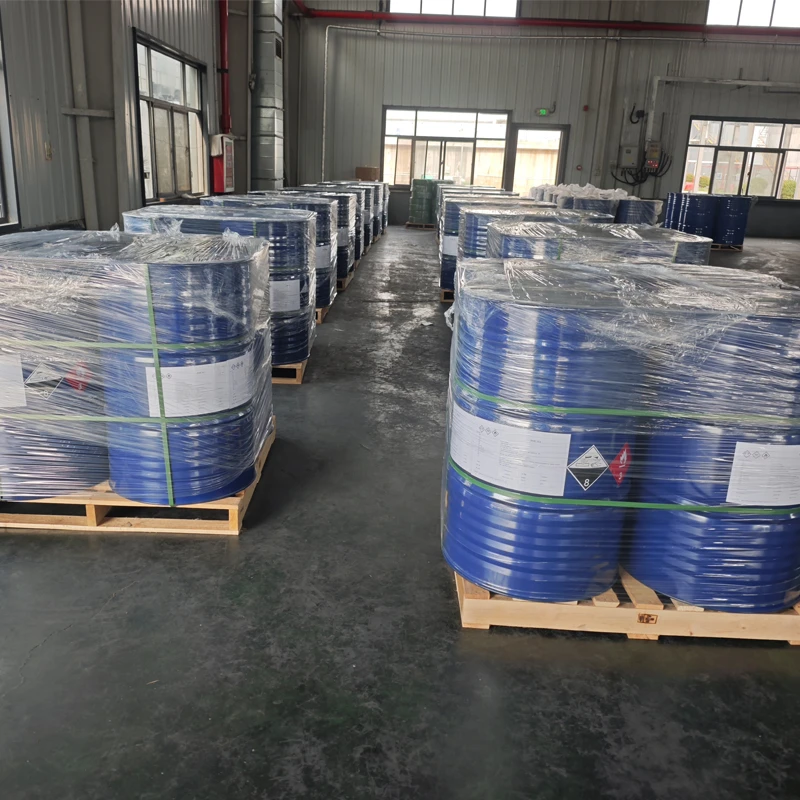
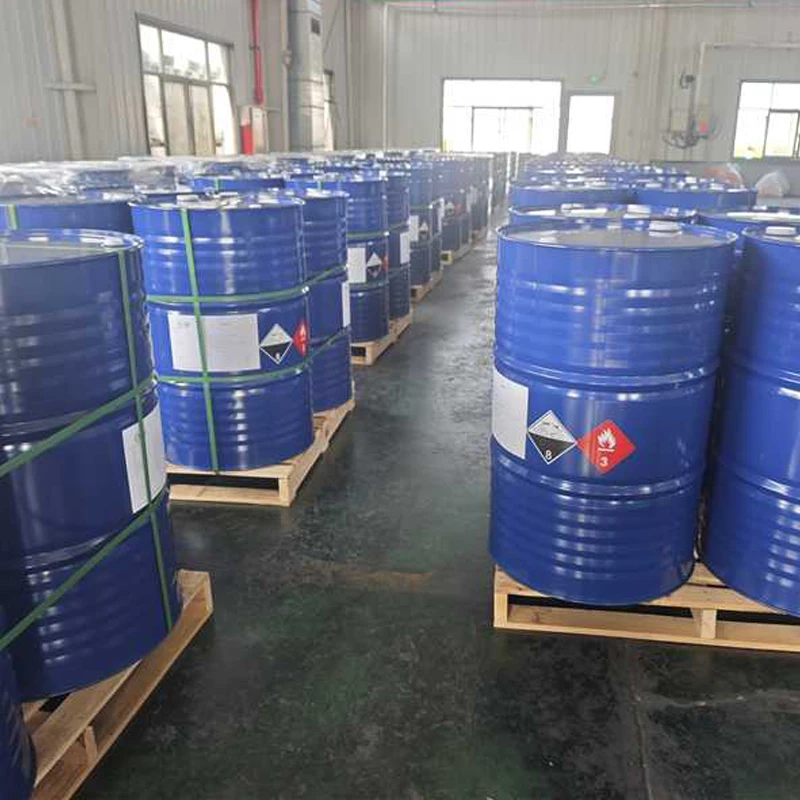
Image: Triazine Ring - Bulk Drug Intermediates
Core Functionality and Chemical Significance
The triazine ring's unique structure, characterized by its aromaticity and electron-deficient nature, makes it an indispensable scaffold in chemical synthesis. Its ability to undergo nucleophilic substitution reactions and its symmetric configuration enable extensive functionalization, offering a flexible platform for material design. This versatility is particularly evident in its applications across multiple industries, from agrochemicals to advanced electronics.
Applications in Chemical Synthesis
Triazine derivatives such as atrazine and simazine are widely used as herbicides in agrochemicals due to their high selectivity and environmental stability. In polymer chemistry, triazine-based crosslinkers enhance the durability and chemical resistance of specialty resins and coatings. The ring's electron-deficient properties also make it a key component in the development of advanced organic materials and catalysts.
Pharmaceutical and Biomedical Relevance
The triazine ring plays a critical role in pharmaceutical research, particularly in the design of antiviral, anticancer, and antimicrobial agents. Its stability and synthetic accessibility allow for extensive molecular modification, making it a valuable framework in drug discovery. For instance, triazine-based compounds are often engineered to interact with specific biological targets, improving therapeutic efficacy and reducing side effects.
Material Science and Technological Innovations
Beyond pharmaceuticals, the triazine ring has become a cornerstone in materials science. It is utilized in the synthesis of high-performance polymers, electronic materials, and energy-related components. The ring's tunable electronic properties enable precise control over material characteristics such as conductivity, thermal resistance, and light absorption. Additionally, its role as a ligand in metal-organic frameworks (MOFs) opens new avenues for catalysis and gas storage technologies.
Technical Specifications of the Triazine Ring
| Parameter | Details |
|---|---|
| CAS Number | 290-87-9 |
| Molecular Formula | C₃H₃N₃ |
| Structure | Hexagonal aromatic ring with three nitrogen atoms |
| Reactivity | Highly reactive in nucleophilic substitution reactions |
| Applications | Agrochemicals, pharmaceuticals, polymers, electronics |
| Stability | Environmentally stable, resistant to degradation |
Advantages of Triazine-Based Compounds
The triazine ring's advantages stem from its structural and chemical properties. Its aromaticity ensures stability, while its electron-deficient nature facilitates interactions with various substrates. This makes it ideal for designing materials with tailored properties. Additionally, the ring's symmetric structure allows for predictable modifications, streamlining the development of complex molecules.
Enhancing Material Performance
In polymer chemistry, triazine-based crosslinkers improve the mechanical and chemical resistance of resins and coatings. For example, in the production of UV stabilizers, the triazine ring's ability to absorb ultraviolet light extends the lifespan of materials. In energy applications, its role in semiconductors and solar cell components enhances efficiency and durability.
Biomedical Applications
In the pharmaceutical sector, triazine derivatives are engineered to target specific biological pathways. Their stability ensures prolonged activity in the body, while their synthetic accessibility allows for rapid development of new drugs. This is particularly critical in the fight against emerging diseases, where time-to-market is a key factor.
Company Background: Hebei Hejia Pharmaceutical Technology Group Co., Ltd.
Hebei Hejia Pharmaceutical Technology Group Co., Ltd. is a leading innovator in the production of chemical intermediates, including the triazine ring. With a focus on quality and research, the company has established itself as a trusted supplier in the global chemical industry. Their expertise in synthesizing complex molecules positions them at the forefront of advancements in pharmaceuticals, agrochemicals, and materials science.
Real-World Applications and Case Studies
The triazine ring's impact is evident in several real-world applications. For instance, in the agrochemical sector, atrazine and simazine have revolutionized weed control in crops, reducing yield losses. In the pharmaceutical industry, triazine-based compounds are used in the development of antiviral drugs, such as those targeting HIV and influenza. Additionally, in electronics, triazine derivatives are employed in the production of semiconductors, contributing to the miniaturization and efficiency of modern devices.
Future Prospects and Research Directions
Ongoing research into the triazine ring's properties is expected to unlock new applications. For example, its potential in catalysis and gas storage technologies could lead to breakthroughs in sustainable energy. Furthermore, the development of novel triazine derivatives with enhanced biocompatibility may expand their use in biomedical applications. Collaborations between academia and industry will be critical in translating these innovations into practical solutions.
Conclusion
The triazine ring is a cornerstone of modern chemistry, offering unparalleled versatility in chemical synthesis, pharmaceutical development, and material science. Its unique properties, combined with the expertise of companies like Hebei Hejia Pharmaceutical Technology Group Co., Ltd., ensure its continued relevance in addressing global challenges. As research progresses, the triazine ring will undoubtedly play a pivotal role in shaping the future of science and technology.
References
Source: National Institute of Standards and Technology (NIST) - For authoritative information on chemical properties and material science standards.