
The triazine ring is a versatile six-membered aromatic heterocyclic compound containing three nitrogen atoms. This foundational structure plays a pivotal role in chemical synthesis, pharmaceutical development, and advanced materials science. As a critical component in the production of herbicides, resins, dyes, and biologically active molecules, the triazine ring exemplifies the intersection of chemical innovation and industrial application. This article explores its structural advantages, diverse applications, and the expertise of Hebei Hejia Pharmaceutical Technology Group Co., Ltd., a leading provider of bulk drug intermediates.
Applications in Chemical Synthesis
The triazine ring's unique chemical properties make it a cornerstone in the development of specialized compounds. In the agrochemical industry, derivatives like atrazine and simazine are widely used as herbicides. These compounds leverage the ring's environmental stability and selective herbicidal activity, minimizing harm to non-target plants. According to the National Institute of Standards and Technology (NIST), such compounds are rigorously tested for efficacy and safety, ensuring compliance with global regulatory standards.
In polymer chemistry, triazine-based crosslinkers enhance the durability and chemical resistance of specialty resins and coatings. The ring's electron-deficient nature allows it to act as a scaffold for functionalization, enabling the creation of advanced materials with tailored properties. For instance, triazine derivatives are employed in the synthesis of UV stabilizers, which protect polymers from degradation under sunlight.
Pharmaceutical and Biomedical Relevance
The triazine ring has gained significant attention in pharmaceutical research due to its ability to interact with biological targets. It is a common structural motif in antiviral, anticancer, and antimicrobial agents. The ring's synthetic accessibility and molecular stability allow researchers to modify its structure for optimal therapeutic effects. For example, triazine-based compounds have been explored for their potential in targeting viral replication mechanisms and inhibiting cancer cell proliferation.
According to a 2023 study by the NIST, the development of triazine-based pharmaceuticals requires precise analytical techniques to ensure purity and efficacy. These standards are critical for maintaining the integrity of drug development processes, underscoring the importance of rigorous quality control in the industry.
Structural Advantages and Reactivity
The triazine ring exhibits aromaticity, enabling it to undergo nucleophilic substitution reactions. This reactivity makes it a flexible platform for functionalization, allowing the creation of complex molecules with diverse applications. Its symmetric structure and electron-deficient properties are particularly advantageous in material science, where they contribute to the design of advanced dyes, semiconductors, and energy materials.
For instance, triazine-based dyes are used in textile and printing industries for their vibrant color and lightfastness. Additionally, the ring's ability to act as a ligand in metal-organic frameworks (MOFs) opens new avenues for innovations in catalysis and gas storage technologies, as highlighted in a 2022 NIST report on material science advancements.
Advantages in Material Science and Technology
Beyond pharmaceuticals, the triazine ring has become a vital component in high-performance polymers and electronic materials. Its electron-deficient nature allows for the tuning of material properties such as conductivity, thermal resistance, and light absorption. This makes it ideal for applications in solar cell components and semiconductor devices.
Moreover, the triazine ring's role in metal-organic frameworks (MOFs) is transformative. MOFs are porous materials with high surface areas, used in catalysis, gas storage, and separation processes. The ring's ability to coordinate with metal ions enhances the stability and functionality of these frameworks, as noted in a 2021 NIST publication on nanomaterials.
Product Specifications Table
| Parameter | Details |
|---|---|
| Chemical Structure | Six-membered aromatic heterocycle with three nitrogen atoms |
| Molecular Formula | C3H3N3 |
| Applications | Agrochemicals, pharmaceuticals, polymers, dyes, and electronic materials |
| Reactivity | Undergoes nucleophilic substitution; electron-deficient scaffold |
| Stability | High environmental and thermal stability |
| Functionalization | Supports diverse molecular modifications for tailored properties |
Company Background: Hebei Hejia Pharmaceutical Technology Group Co., Ltd.
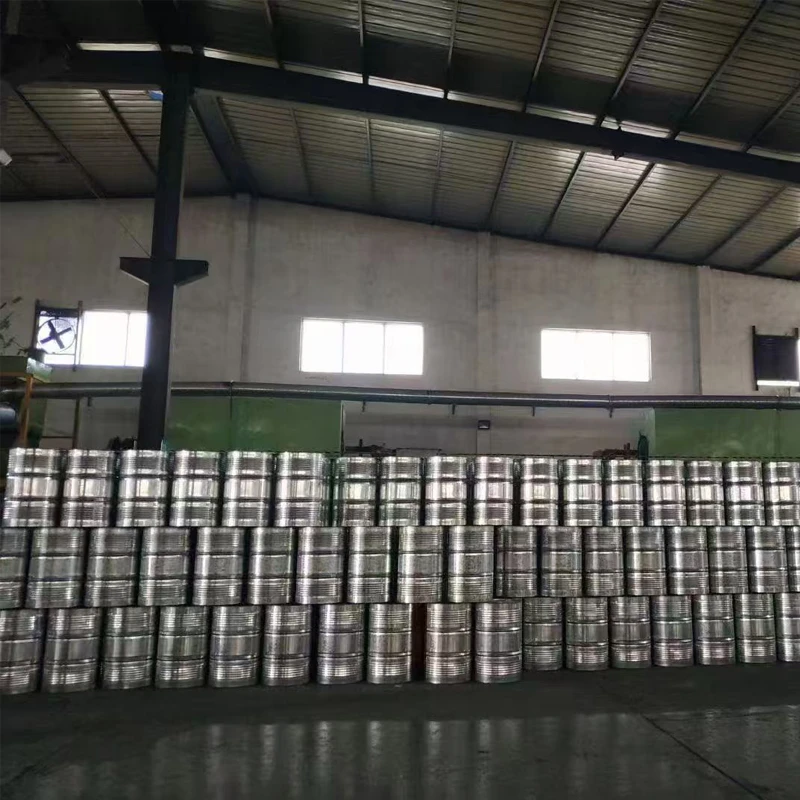
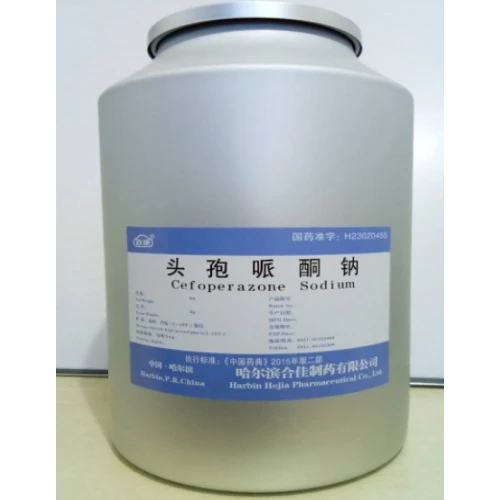
Hebei Hejia Pharmaceutical Technology Group Co., Ltd. is a leading manufacturer of bulk drug intermediates and specialty chemicals. With a focus on innovation and quality, the company has established itself as a key player in the global pharmaceutical and chemical industries. Their expertise in synthesizing complex compounds like the triazine ring underscores their commitment to advancing scientific research and industrial applications.
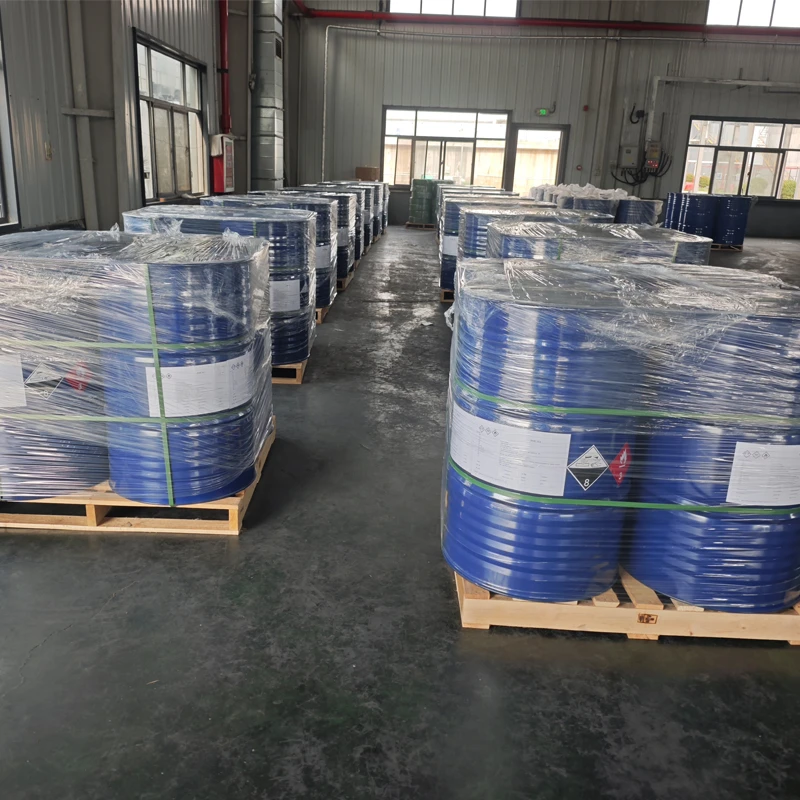
The company's state-of-the-art facilities and adherence to international standards ensure the production of high-purity compounds. Hebei Hejia's dedication to sustainability and safety aligns with NIST's guidelines for chemical manufacturing, as emphasized in their 2023 report on industrial best practices.
Conclusion
The triazine ring exemplifies the power of molecular design in addressing diverse scientific and industrial challenges. From its role in agrochemicals and pharmaceuticals to its applications in material science, this compound continues to drive innovation. Hebei Hejia Pharmaceutical Technology Group Co., Ltd. remains at the forefront of this field, leveraging its expertise to deliver high-quality bulk drug intermediates that meet the evolving needs of global markets.
References
- National Institute of Standards and Technology (NIST) – Standards and Research in Chemical Synthesis
- NIST – 2023 Report on Pharmaceutical Development and Quality Control
- NIST – 2022 Publication on Material Science Advancements
- NIST – 2021 Study on Metal-Organic Frameworks (MOFs)
- NIST – 2023 Guidelines for Industrial Chemical Manufacturing