Understanding Pharmaceutical Intermediates Example: The Backbone of Modern Medicine
You might not have heard much about pharmaceutical intermediates, yet these essential compounds play a starring role behind the scenes of drug production worldwide. Simply put, pharmaceutical intermediates example are the chemical building blocks that connect raw materials with final medicines. Grasping these intermediates is vital, because they influence everything from drug safety and efficacy to global supply chains. Understanding the nuts and bolts of pharmaceutical intermediates isn’t just for chemists—it matters to healthcare providers, patients, and even global health policymakers.
Introduction: Why Pharmaceutical Intermediates Matter Globally
The pharmaceutical industry is a massive global network responsible for producing medications essential to health and well-being. According to the World Health Organization (WHO), access to quality medicines depends heavily on reliable pharmaceutical supply chains, where intermediates form a crucial link. The global market for pharmaceutical intermediates reached billions of dollars by 2023 and is projected to grow annually by over 6%, driven by expanding healthcare demands in emerging markets and innovation in drug therapies.
However, challenges often arise. Interruptions in intermediate supply—because of geopolitical tension, raw material scarcity, or regulatory hurdles—can delay drug production and limit access to needed medications. For instance, the COVID-19 pandemic highlighted vulnerabilities in sourcing key intermediates for antiviral drugs and vaccines, reinforcing the need to diversify and understand this segment deeply.
Mini takeaway: Pharmaceutical intermediates example are critical linchpins in drug manufacturing, affecting availability and affordability worldwide.
What Exactly Are Pharmaceutical Intermediates?
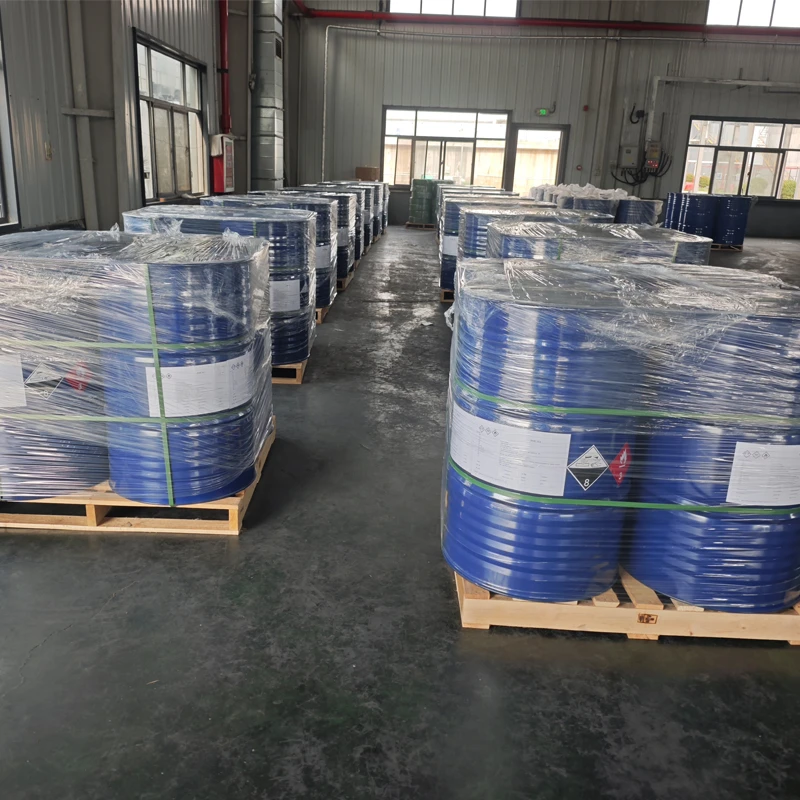
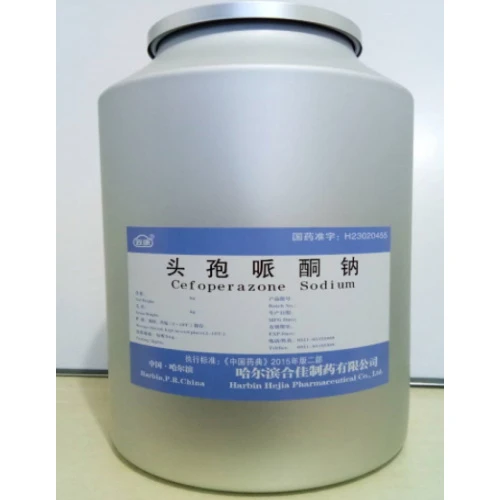
In basic terms, a pharmaceutical intermediate is a compound produced in the middle stages of synthesizing an active pharmaceutical ingredient (API). They’re neither raw materials nor finished drugs but perform an essential role that connects the two. Imagine building a house: intermediates are like the bricks and beams that eventually shape the structure.
These intermediates enable the stepwise chemical transformations necessary to yield pure, effective medicines that meet stringent regulatory standards. Their quality, purity, and consistency have direct impacts on the safety and effectiveness of final pharmaceutical products.
This isn’t just theoretical; pharmaceutical intermediates example are also vital for humanitarian efforts, such as producing antimalarial drugs in remote regions or creating antibiotics during outbreaks.
Key Components of Pharmaceutical Intermediates
1. Purity and Quality Control
Pharmaceutical intermediates require extraordinary purity levels—often above 99%—since any impurity can cascade downstream and compromise a drug’s safety. Manufacturers typically conduct rigorous chromatography and spectrometry testing to maintain standards.
2. Scalability
It’s one thing to synthesize small batches in a lab and quite another to scale production to hundreds or thousands of kilograms annually. Scalability influences cost, availability, and the ability to meet sudden demand surges.
3. Cost Efficiency
Since pharmaceutical intermediates multiply through many synthesis steps, minimizing production cost without sacrificing quality is a delicate balance. Efficient processes often involve catalyst use and green chemistry principles to reduce waste.
4. Regulatory Compliance
Different countries enforce strict regulations on intermediates related to safety, environmental impact, and traceability. Compliance is non-negotiable in global supply chains, requiring tailored approaches for export/import.
5. Sustainability
More manufacturers are embracing sustainable practices by replacing hazardous solvents and using renewable feedstocks, reflecting a growing awareness of pharmaceutical environmental footprints.
Mini takeaway: Success in pharmaceutical intermediates relies on purity, scalability, cost, regulation adherence, and sustainability—all intertwined.
Global Applications and Use Cases
Various industries and regions benefit from pharmaceutical intermediates example, spanning big pharma giants in Europe and North America to innovative generic drug manufacturers in Asia. For example:
- In India: With over 50% of global generic drugs relying on intermediates manufactured locally, India serves both domestic and international markets.
- Post-Disaster Relief: Rapid synthesis of antibiotics and anti-inflammatory agents depends on reliable intermediates, crucial in humanitarian crises.
- Bio-Pharmaceuticals: Advanced intermediates used in biotech drugs demand precision engineering for molecules like monoclonal antibodies.
Understanding this global spread helps companies predict supply risks and pursue diversification strategies.
Product Specification Table Example
| Specification | Typical Value | Notes |
|---|---|---|
| Purity | ≥ 99.5% | Measured by HPLC |
| Moisture Content | ≤ 0.5% | Standard gravimetric method |
| Particle Size | D50: 150 microns | Controls reactivity and flow |
| Residual Solvents | Below detection limit | Per ICH Q3C guidelines |
Advantages and Long-Term Value of Pharmaceutical Intermediates
The immediate benefit is obvious: intermediates enable the production of life-saving drugs. But there’s more.
- Cost Reduction: Efficient intermediates cut manufacturing costs, making essential medicines more affordable worldwide.
- Reliability and Safety: Consistent quality minimizes risk of contamination or drug failure.
- Innovation Catalyst: Highly pure intermediates open doors for novel drug molecules and personalized medicine.
- Social Impact: By ensuring stable supplies, intermediates uplift public health in even remote or impoverished areas.
On an emotional note, knowing a medicine was crafted with precision and care instills trust—something that often gets overlooked in the technical world.
Future Trends and Innovations in Pharmaceutical Intermediates
Oddly enough, the future of pharmaceutical intermediates ties closely with sustainability and digitization. Green chemistry efforts focus on solvent reduction, biocatalysis, and recycling intermediates. Automation and AI-assisted process optimization promise higher yields and less waste.
Digitally, blockchain is making waves for traceability—helping verify intermediate provenance, crucial for anti-counterfeit measures globally. In the coming decade, expect these advances to tighten supply chains and reduce environmental footprints.
Common Challenges & Solutions
No process is flawless. Supply disruptions from geopolitical issues or raw material scarcity still pose risks. Also, regulatory complexity can delay approvals for new intermediates. The fastest-growing solutions include multi-sourcing intermediates, strategic stockpiling, and adopting more flexible manufacturing tech such as continuous flow reactors.
Industry experts emphasize collaboration both upstream with raw material providers and downstream with pharmaceutical manufacturers to build resilience.
Vendor Comparison Table
| Vendor | Purity (%) | Scalability (kg/year) | Pricing | Sustainability Practices |
|---|---|---|---|---|
| AlphaChem Ltd. | 99.8 | 10,000 | Mid-range | ISO 14001 certified |
| Beta Pharma Supplies | 99.5 | 5,000 | Competitive | Ongoing waste reduction program |
| Gamma Chemicals | ≥99.9 | 20,000 | Premium | Uses biocatalysts and solvent recycling |
Frequently Asked Questions About Pharmaceutical Intermediates Example
- Q1: How do pharmaceutical intermediates impact drug safety?
- Pharmaceutical intermediates affect the purity and consistency of active pharmaceutical ingredients (APIs). Impure intermediates can lead to contamination or decreased efficacy of the final drug, so strict quality control ensures patient safety.
- Q2: Can pharmaceutical intermediates be sourced sustainably?
- Yes, many manufacturers now use green chemistry techniques such as reducing hazardous solvent use, employing bio-based catalysts, and recycling materials to minimize environmental impact.
- Q3: What industries rely most on pharmaceutical intermediates?
- Besides pharmaceuticals, agrochemicals, cosmetic, and veterinary drug manufacturers use intermediates extensively, demonstrating their vast industrial applicability.
- Q4: How are pharmaceutical intermediates regulated internationally?
- Bodies like the International Conference on Harmonization (ICH) provide guidelines for quality and safety. Additionally, each country’s regulatory agency (FDA, EMA, CFDA) enforces compliance through inspections and documentation.
Conclusion and Call to Action
To sum it up, pharmaceutical intermediates example underpin the entire pharmaceutical supply chain. Their quality, scalability, and sustainability have lasting impacts on medicine availability, affordability, and innovation. When we appreciate the complexity behind these intermediates, it becomes easier to understand global health resilience and industry evolution.
For those interested in diving deeper or sourcing reliable pharmaceutical intermediates, I highly recommend visiting this pharmaceutical intermediates example resource which offers extensive product lines and expert guidance.
Sometimes it's the invisible links, like intermediates, that hold the whole chain together — and that’s truly something worth knowing.