What Are Pharmaceutical Intermediates?
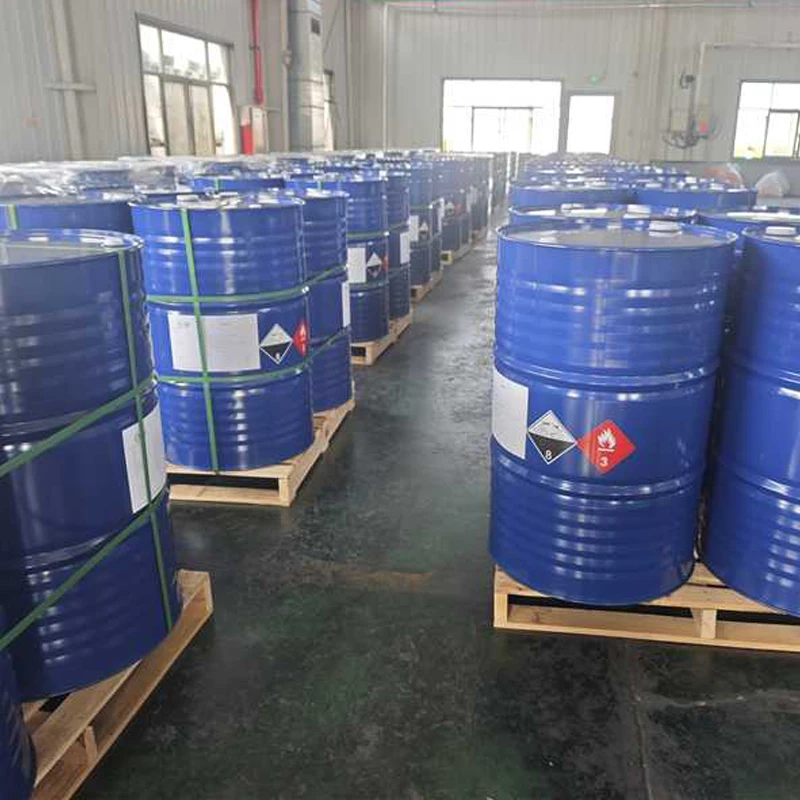
Having spent quite a few years in the industrial equipment sector, particularly around chemical manufacturing, I’ve learned that the term pharmaceutical intermediates can sometimes feel a bit mysterious if you’re not in the trenches of pharma or chemicals. Oddly enough, these compounds are the unsung heroes of drug manufacturing — they’re the chemical building blocks that ultimately become the medicines we rely on. You won’t hear about them in commercials, but they’re everywhere behind the scenes.
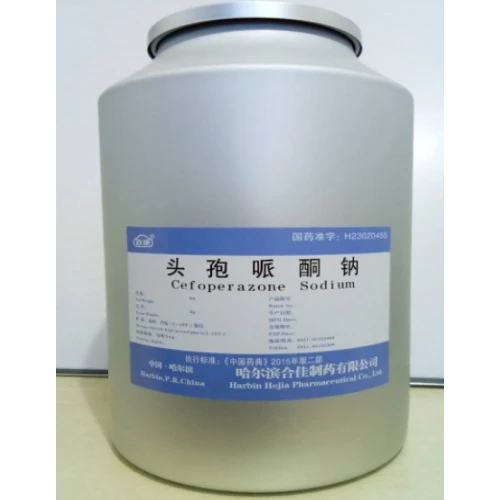
So, what exactly are pharmaceutical intermediates? Simply put, they are the substances produced during the multiple steps involved in making active pharmaceutical ingredients (APIs). Think of them like waypoints on a complicated journey. A raw material doesn’t just magically become a drug; it takes several transformations, and the intermediates are those critical stops between the start and the finish line.
In real terms, intermediates offer manufacturers better control over quality and efficiency. Splitting synthesis into intermediate steps can make complex molecules easier to handle and purify. Frankly, it also means that the whole process is more flexible — if a batch of intermediates passes stringent quality checks, the final API is less likely to have issues.
Many engineers I’ve worked alongside emphasize how pharmaceutical intermediates have to meet rigorous standards. Not just purity, but also stability and reproducibility. In one instance, I saw a plant manager repeatedly tweak parameters like temperature and solvent ratios at intermediate stages to improve yield without compromising specifications — quite the intricate balancing act!
| Attribute | Specification | Importance |
|---|---|---|
| Purity (%) | ≥ 98.5% | Ensures effective later synthesis steps |
| Moisture Content | ≤ 0.5% | Prevents degradation and batch failures |
| Appearance | White or off-white crystalline powder | Indicates consistent product quality |
| Residual Solvent | Below ICH limits | Safety compliance |
| Assay (HPLC) | 98–102% | Confirms chemical identity and potency |
Now, the market for a reliable supply of these intermediates is quite competitive. You’ve got vendors all over Asia, Europe, and the Americas, each with its own claims about quality, cost-efficiency, and delivery speed. Of course, what I’ve found is that trusting a vendor who openly shares detailed product test data, regulatory compliance documents, and batch traceability often makes a huge difference in avoiding headaches down the line.
| Vendor | Compliance Certifications | Typical Lead Time | MOQ | Pricing |
|---|---|---|---|---|
| HeJia Chemical Tech | ISO 9001, REACH, GMP | 2–3 weeks | 500 kg | Competitive |
| Vendor B | GMP only | 3–4 weeks | 1000 kg | Higher |
| Vendor C | None disclosed | 1–2 weeks (limited stock) | 250 kg | Lowest |
Speaking of customer stories, once a mid-size pharmaceutical company I consulted for struggled with erratic batch failures traced back to an unstable intermediate batch from a new supplier. Switching back to a trusted, certified vendor who offered guaranteed specs immediately stabilized their process. It felt like night and day — they got their timelines back, which, frankly, is everything in drug manufacturing.
Customization also matters here. Some vendors, like HeJia Chemical Tech, can tailor intermediates to specific purity ranges or supply formats (powder, slurry, etc.). That kind of flexibility often reduces waste and processing time downstream, which bought a lot of goodwill from production engineers I know.
To wrap up, pharmaceutical intermediates might not be glamorous, but they’re undeniably essential. Without consistent, high-quality intermediates, the entire pharmaceutical manufacturing chain risks delays, costs, and potential failures. And while plenty of suppliers exist, partnering with a reliable, transparent, and experienced chemical provider makes the difference between a smooth operation and a frustrating slog.
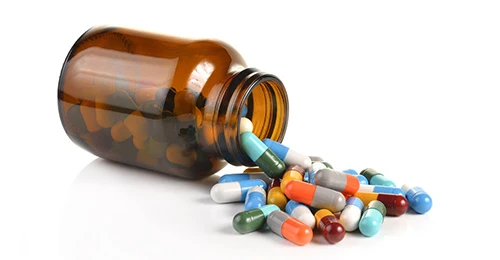
So next time you swallow a pill, remember — there’s a whole journey behind that tiny capsule, and the intermediates are what make sure the journey ends well.
References:
1. ICH Guidelines on Pharmaceutical Intermediates.
2. Experience-based insights from pharmaceutical process engineers, 2015-2023.
3. Regulatory requirements overview, FDA & EMA documents.