Understanding the Full Form of API in the Pharma Industry
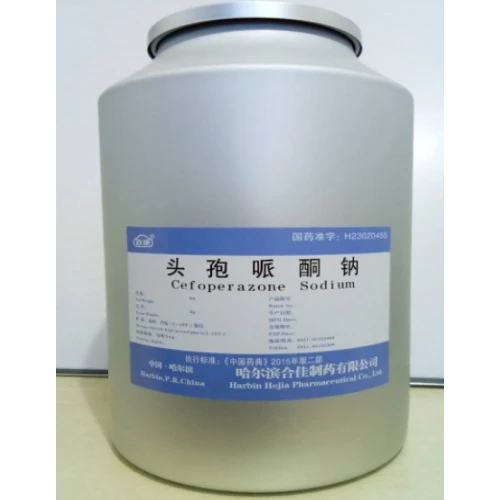
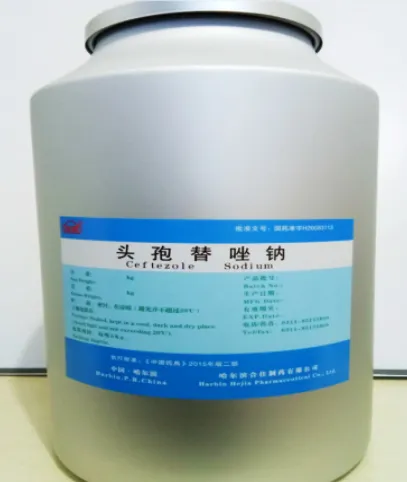
When you hear API tossed around in pharmaceutical circles, it’s easy to think of it as just another acronym. But, having worked in the industrial equipment sector for years, I can tell you the full form and its implications matter — quite a bit, actually. In pharma, API stands for Active Pharmaceutical Ingredient. It’s the core substance responsible for the therapeutic effect in medicines. Without it, well, your pill is just filler and packaging.
Oddly enough, this term is often misunderstood outside of pharma, sometimes confused with ‘Application Programming Interface’ (the tech kind). But in pharma manufacturing, the API is the hero of the show. Whether you’re dealing with antibiotics, anti-inflammatories, or even vitamins, the API is the precise chemical compound that ultimately delivers the health benefits the medicine promises.
On the plant floor or the lab, the quality and consistency of an API are non-negotiable. You’ll find that meeting regulatory requirements, like those from the FDA or EMA, is a rigorous process — and rightly so, since the API’s purity and stability have a direct impact on safety and effectiveness. I recall a client who had troubles with inconsistent API batches that caused variations in tablet potency. That was a serious red flag and led to extensive testing and process validation.
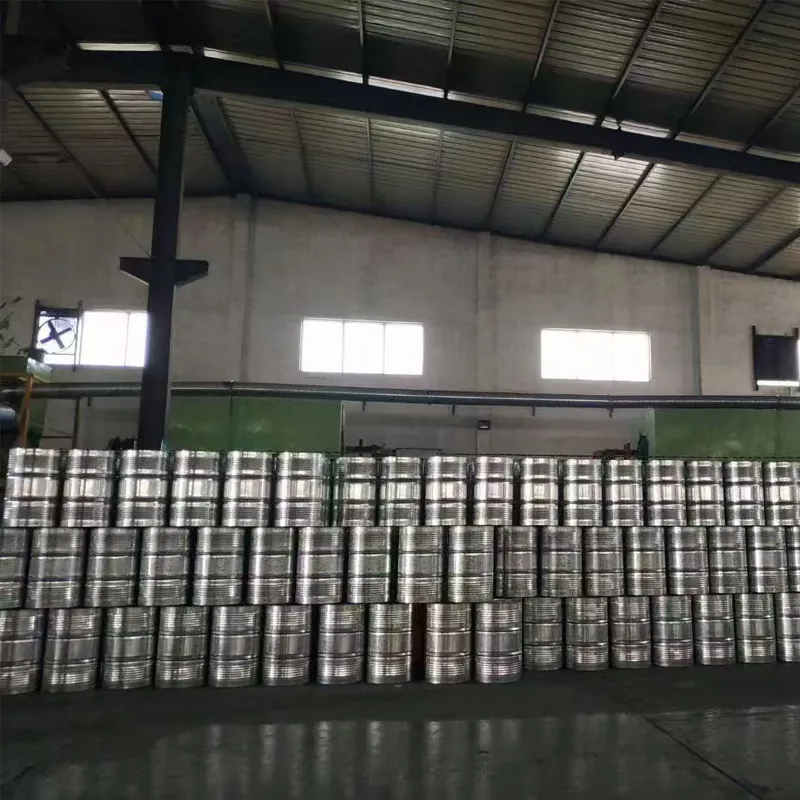
Manufacturing APIs involves sophisticated synthesis and purification equipment — and sometimes custom solutions tailored to specific molecular structures. It often reminds me of a careful dance between chemistry and industrial engineering. Many vendors now offer integrated solutions to optimize API production, focusing on sustainability and traceability, which are increasingly important.
Here’s a quick spec table illustrating typical features you might look for when sourcing an API for a pharma product:
| Specification | Typical Value |
|---|---|
| Purity | >99.5% |
| Particle Size Distribution | 10-50 µm |
| Residual Solvents | |
| Moisture Content | |
| Stability (Shelf life) | 2+ years (under controlled conditions) |
Now, if you’re navigating the vendor maze, choosing the right API supplier involves comparing their capabilities, certifications, and compliance records. Take a look at this simple comparison of three vendor types you might run into:
| Feature | Large Pharma Supplier | Specialty API Manufacturer | Custom Synthesis Provider |
|---|---|---|---|
| Production Scale | High volume | Medium volume | Low to medium, tailored |
| Regulatory Certifications | FDA, EMA, WHO | FDA, often niche approvals | Client-specific GMP |
| Customization Ability | Limited | Moderate | High |
| Typical Lead Times | Short - stock availability | Moderate | Longer - R&D involved |
| Best For | Standard drugs in bulk | Specialty & complex molecules | Custom APIs & novel compounds |
I remember once working closely with a pharma firm that needed a niche API for a new oncology drug. The typical suppliers could not meet the exacting purity and particle size distribution required, so we teamed up with a custom synthesis provider. It took longer and cost more upfront. But in real terms, that API’s quality was a game-changer for the clinical trials success.
All things considered, the full form of API in pharma—Active Pharmaceutical Ingredient—carries substantial weight beyond just letters. It’s the cornerstone that links chemistry, engineering, quality control, and ultimately, patient safety.
If you’re in the market for APIs or need to deepen your understanding, choosing suppliers who combine expertise with reliable certifications will always pay dividends — it’s not just about the chemical, but how it's made and controlled.
In the industrial equipment world, knowing your API inside out can save you time, money, and stress. After all, the medicine’s effectiveness depends on that one crucial ingredient.
Thanks for sticking with me through this exploration. Keep an eye on evolving regulatory demands, quality trends, and customization options—they’re the keys to staying ahead in this game.
— Written by an industry insider who’s seen APIs from lab benches to massive manufacturing lines.
References:
1. FDA Guidance on APIs, 2023.
2. EMA Quality Guidelines for APIs, 2022.
3. Industry Case Studies, Pharma Equipment Journal, 2024.