Understanding the Pharmaceutical Intermediates Factory: A Global Perspective
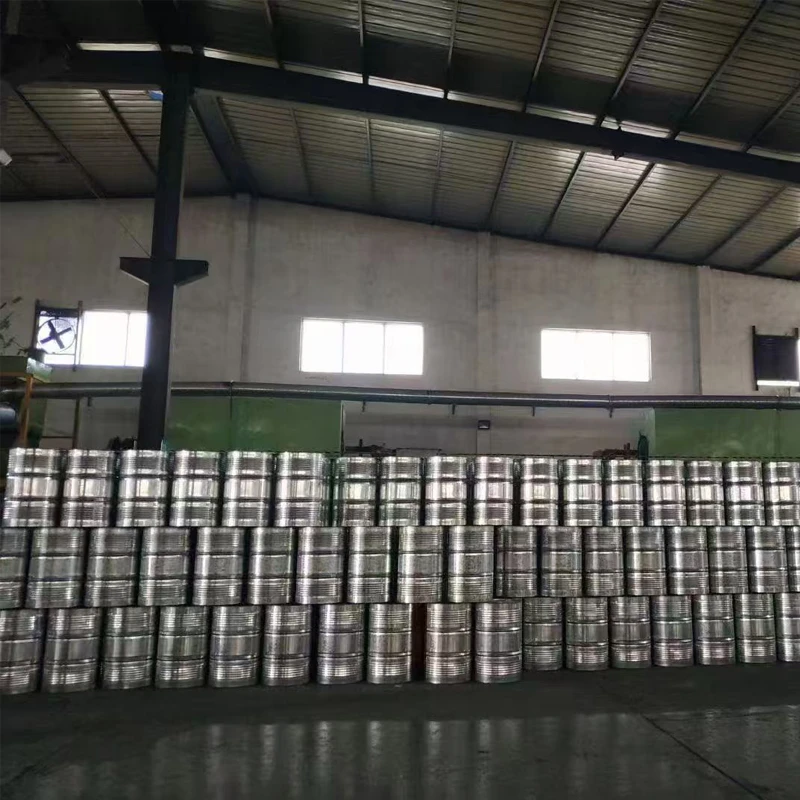
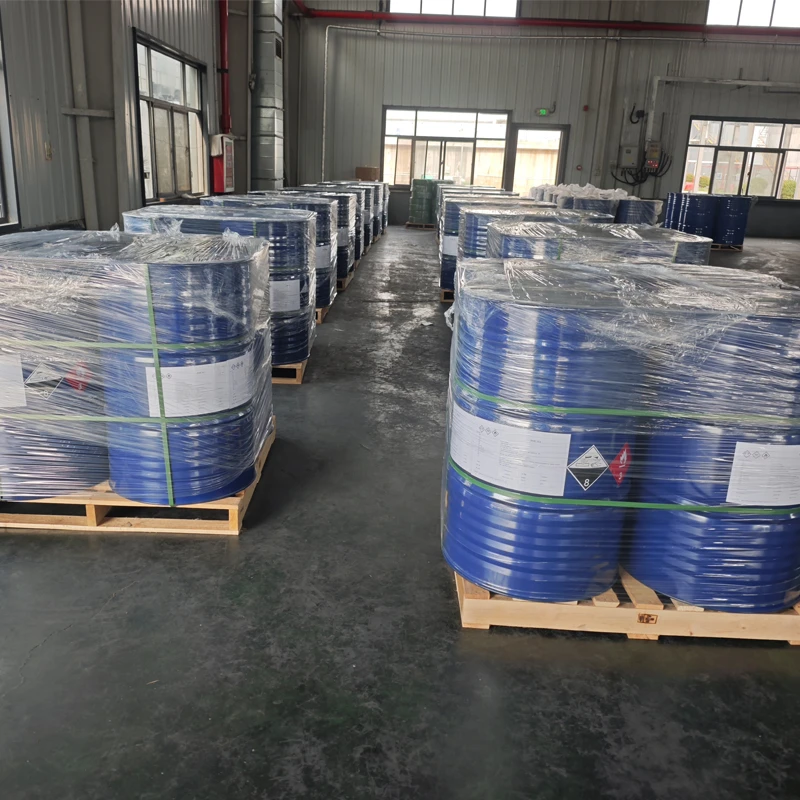
Pharmaceutical intermediates factories play a quietly critical role in the global drug supply chain. Simply put, they manufacture the essential chemical building blocks that go into drugs—without them, producing effective pharmaceuticals would be nearly impossible. But beyond the lab coat and chemistry textbook, these factories have far-reaching implications, from health outcomes to global economics.
Why does this matter? Globally, the healthcare sector depends heavily on reliable sources for quality intermediates, especially in an era when supply chains have become fragile and regulations increasingly stringent. Understanding how these factories operate and contribute to society can offer key insights not just to industry insiders but also to policy makers, healthcare providers, and consumers alike.
Mini takeaway: The pharmaceutical intermediates factory is the backbone of drug manufacturing worldwide, influencing everything from cost to safety.
Global Industry Context and Challenges
Currently, the demand for pharmaceutical intermediates spans continents, fueled by rising chronic diseases, aging populations, and the urgent needs highlighted by global health crises like COVID-19. According to the United Nations Industrial Development Organization (UNIDO), the pharmaceutical sector represents a substantial part of the global manufacturing GDP, with intermediates factories forming a key segment of that structure.
Yet, the industry faces real challenges. Supply chain disruptions, environmental concerns over chemical waste, and the need for strict compliance to international standards (such as ISO 9001 and GMP) are pressing issues. A pharmaceutical intermediates factory must balance high-volume production with stringent quality and safety controls, all while aiming for sustainability.
What Is a Pharmaceutical Intermediates Factory?
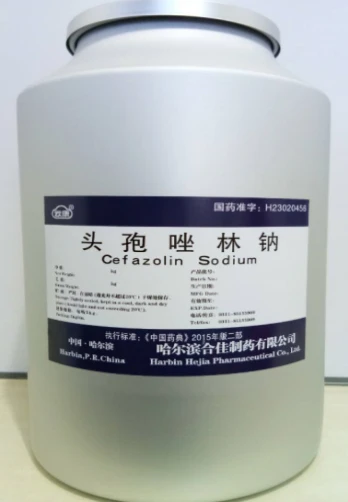
Put simply, a pharmaceutical intermediates factory is a specialized plant where chemical compounds are synthesized or modified, serving as the “middlemen” chemicals that become the active or inactive ingredients used in final drug formulations. They’re distinct from final drug product manufacturers but essential for the supply chain continuity.
In humanitarian contexts, for example during rapid vaccine production or emergency medication needs, the ability of these factories to scale up quickly is vital. Their operations dot industrial zones worldwide and often interface with pharmaceutical intermediates factory suppliers that provide raw chemical precursors.
Core Components of a Pharmaceutical Intermediates Factory
Quality Control & Assurance
Strict quality management systems must be in place to ensure every batch meets defined purity and safety standards. This requires analytical labs onsite and continuous monitoring, which isn’t a trivial expense.
Scalability and Flexibility
Factories need to adjust production depending on demand surges or regulatory changes. Modular setups or flexible manufacturing platforms can offer competitive advantages.
Environmental Sustainability
Waste management and reducing chemical emissions are increasingly important. Many leading plants implement green chemistry principles, aiming to reduce toxic byproducts or utilize renewable resources.
Technological Integration
Automation and digital monitoring enhance efficiency and traceability. This also aligns with evolving GMP regulations, demanding detailed production records and real-time quality data.
Supply Chain Coordination
Pharmaceutical intermediates factories must maintain close coordination with upstream raw material suppliers and downstream pharmaceutical manufacturers to ensure seamless delivery and minimize stockouts.
Workforce Expertise
Skilled chemical engineers and production technicians play a critical role—they manage complex reactions, troubleshoot batch failures, and ensure regulatory compliance.
Pharmaceutical Intermediates Factory Product Specification
| Specification | Typical Value | Unit |
|---|---|---|
| Purity Level | ≥ 99.0 | % |
| Moisture Content | ≤ 0.5 | % |
| Batch Size | 500 - 1000 | kg |
| Production Capacity | Up to 5,000 | tonnes/year |
| Compliance Standards | GMP, ISO 9001, REACH | - |
Global Applications and Use Cases
Pharmaceutical intermediates factories aren’t just located in pharma-heavy regions like North America and Europe but are increasingly important in Asia-Pacific, which has become a hub for manufacturing due to favorable economics and skilled workforce.
For instance, Indian and Chinese factories supply massive volumes of intermediates to multinational firms, meeting both cost and quality requirements. In humanitarian scenarios, intermediates produced rapidly in these factories enable quick drug formulation and distribution, crucial during epidemic outbreaks.
In remote industrial zones, say parts of Eastern Europe or Southeast Asia, small-scale intermediates factories often support local generic drug manufacturing, making meds more accessible.
Mini takeaway: While rooted in chemistry, pharmaceutical intermediates factories influence health equity and global response strategies.
Advantages and Long-Term Value
- Cost Efficiency: Centralized large-scale production reduces costs, making medications affordable.
- Sustainability: Commitment to eco-conscious methods minimizes environmental footprints over time.
- Reliability: Stringent quality assurance ensures drug safety, building trust among healthcare providers and patients.
- Social Impact: These factories indirectly enhance life expectancy and quality by enabling pharma innovation.
If you pause for a second, it’s quite remarkable how these “behind-the-scenes” operations support dignity and health worldwide.
Future Trends and Innovations
Looking ahead, automation and AI-driven process controls will likely become standard. These upgrades improve precision and reduce human error. Also, "green chemistry" initiatives emphasize replacing harmful solvents with biodegradable alternatives, cutting hazardous waste.
Digitally interconnected factories promise enhanced supply chain transparency — stakeholders can trace intermediates from raw materials to shipment in real time, which is a big leap for trustworthiness.
Comparing Leading Vendors in Pharmaceutical Intermediates
| Vendor | Production Capacity (tonnes/yr) | Certifications | Sustainability Initiatives | Global Reach |
|---|---|---|---|---|
| Hejia Chemical Tech | 5,000 | GMP, ISO 9001 | Water recycling, green solvents | Asia, Europe, Americas |
| Global Intermediates Inc. | 7,500 | ISO 9001, REACH | Reducing volatile organic compounds (VOCs) | Europe, North America |
| ChemPro Solutions | 3,200 | GMP | Solar power integration | Asia-Pacific |
Challenges and Innovative Solutions
There’s no sugarcoating it: pharmaceutical intermediates factories face tough hurdles. Waste byproducts can be toxic, strict regulations vary by country, and fluctuating raw material costs make planning tricky. Also, many factories must upgrade legacy equipment and adopt digital systems — something that requires investment and training.
Innovations like continuous flow chemistry are promising; they boost production efficiency and reduce waste. Collaborative industry initiatives are also emerging to harmonize regulatory standards globally, which would ease compliance pain points.
FAQ: Frequently Asked Questions About Pharmaceutical Intermediates Factory
- Q: What certifications should I expect from a reputable pharmaceutical intermediates factory?
A: Look for GMP (Good Manufacturing Practices), ISO 9001 for quality management, and REACH compliance for chemical safety. These ensure product quality and regulatory adherence. - Q: How can factories ensure environmental sustainability?
A: By adopting waste reduction methods, recycling solvents, using green chemistry principles, and integrating renewable energy sources. - Q: Are pharmaceutical intermediates factories able to scale production quickly?
A: Many modern factories use flexible, modular production lines enabling rapid scale-up, especially during health emergencies. - Q: How do intermediates factories impact drug pricing?
A: Efficient intermediates production lowers raw material costs, which can translate to more affordable medications. - Q: What role does technology play in modern intermediates manufacturing?
A: Automation, AI, and digital monitoring provide improved quality control, traceability, and production efficiency.
Conclusion and Call to Action
In closing, pharmaceutical intermediates factories are indispensable cogs in the vast machinery of global healthcare. They affect everything from the cost and availability of medications to the environmental footprint of drug manufacturing. Investing thoughtfully in these factories and understanding their landscape is crucial if we want a resilient, equitable healthcare future.
If you’re exploring options or want to learn more about trusted manufacturers, visiting a dedicated pharmaceutical intermediates factory can provide firsthand knowledge and professional collaboration opportunities.
It’s funny—these chemical factories probably don’t get enough credit for their quiet but life-changing work, but they really do matter in the grand scheme of wellbeing and innovation.
References: