Understanding What is Formulation Development in Pharmaceuticals
Pharmaceutical formulation development may sound like a mouthful, but it really boils down to the art and science of combining various ingredients to make a medicine safe, effective, and easy to take. It’s a crucial step that turns a promising drug molecule into a usable product, impacting millions of people worldwide. Globally, the pharmaceutical sector is booming, with the World Health Organization highlighting its critical role in public health. When you grasp what formulation development in pharmaceuticals truly entails, you begin to appreciate how complex drug delivery is—and how vital it is for innovation and accessibility.
The Global Context: Why Formulation Development Matters
Did you know the global pharmaceutical industry is expected to surpass $1.7 trillion by 2025? According to the World Bank, access to well-formulated medicines remains a challenge, especially in developing countries. This is partly because formulation development involves not just the science behind the drug itself but also considerations around stability, bioavailability, patient compliance, and cost-effectiveness.
One big challenge formulation development addresses is how to make drugs stable in extreme climates. Imagine vaccines that need refrigeration becoming useless in remote tropical areas. This is precisely where smart formulation can make or break real-world usage. So, the stakes aren’t just academic—they’re global and humanitarian.
What Exactly Does Formulation Development in Pharmaceuticals Mean?
Put simply, formulation development is the process of creating the final medicinal product from the pure drug: deciding the right combination of active pharmaceutical ingredients (APIs), excipients, and delivery systems like tablets, capsules, or injectables. It involves tweaking ingredient types and ratios, testing physical and chemical properties, and ensuring the final product meets regulatory standards. It’s that bridge between lab research and patient use, connecting innovation to everyday health needs.
In modern medicine, formulation development also ties into personalized and advanced therapies, such as controlled-release tablets or nanoparticle delivery systems, helping medicine become safer, more effective, and more patient-friendly.
Core Components of Formulation Development
- Stability
Ensuring the drug doesn’t degrade over time under various conditions—including heat, light, and humidity. - Bioavailability
Making sure the API is absorbed into the bloodstream effectively after administration. - Scalability
Developing formulations that can be produced efficiently, from lab scale to full manufacturing. - Compatibility
Ensuring the API works well with excipients and packaging materials without unwanted reactions. - Patient Compliance
Designing user-friendly dosage forms (e.g., taste-masking, easy swallowing) to improve adherence. - Cost Efficiency
Balancing quality with affordability to make medicines accessible globally.
Each component is like a gear in a clock; if one doesn’t work right, the whole system can fail. For example, an unstable formulation could mean your lifesaving tablet loses potency before reaching patients.
Product Specification Table
| Specification | Typical Range | Importance |
|---|---|---|
| API Content | 90–110% of label claim | Therapeutic efficacy |
| Dissolution Rate | >85% in 30 min | Bioavailability |
| Moisture Content | Stability | |
| Hardness | 4–8 kg/cm² | Handling & packaging |
Global Applications and Use Cases
Formulation development is everywhere, from big pharma hubs in the US and Europe to emerging biotech clusters in India and China. Non-governmental organizations often rely on clever formulations to provide medicines in emergency settings. For example, orally dissolving tablets used in refugee camps allow quick administration without water—vital where resources are limited.
In post-disaster relief operations, formulations designed for stability at high temperatures mean vaccines reach vulnerable populations intact. Remote industrial zones also benefit from slow-release medications that reduce the need for frequent dosing, crucial where medical access is inconsistent.
If you’re curious about practical formulation strategies and cutting-edge innovations, what is formulation development in pharmaceuticals offers a fantastic resource.
Vendor Comparison Table: Formulation Development Services
| Vendor | Specialties | Global Reach | Notable Clients |
|---|---|---|---|
| PharmaFormX | Oral solid & liquid formulations | North America, Europe | Johnson & Johnson, Roche |
| BioForm Solutions | Injectables, controlled release | Asia-Pacific, Europe | Pfizer, Novartis |
| GreenMed Tech | Sustainable excipients, nanoparticles | Global | Sanofi, Merck |
Advantages and Long-Term Value
Good formulation development creates medicines not only safer and more effective but also kinder to patients’ day-to-day lives. For example, taste-masked pediatric syrups encourage compliance among kids, reducing missed doses.
On a logical level, robust formulations extend shelf life, reducing waste and cost. On an emotional note, reliable access to medicines instills trust and dignity, crucial in sensitive health crises. There’s also a growing ethical edge—sustainably sourced excipients and green chemistry approaches reduce environmental footprints, linking patient care with planet care.
Future Trends & Innovations
The future of formulation development is fascinating. Think automation lifting repetitive tasks, AI optimizing ingredient combinations, and 3D printing tailoring medicines to individual genetic profiles. Green energy-powered manufacturing and biodegradable packaging will likely become the norm, aligning with global sustainability goals.
Policymakers are also influential — ISO guidelines for quality and safety evolve alongside faster regulatory approvals for breakthrough therapies. Such dynamics are why staying updated on what is formulation development in pharmaceuticals is a smart move for industry pros.
Challenges and Solutions
It’s not all smooth sailing, though. Challenges such as stability under harsh environmental conditions, complex regulatory landscapes, and cost pressures often slow formulation development. Sometimes, excipient shortages or scale-up hurdles cause delays.
Expert consultants recommend modular design approaches and integrated R&D–manufacturing teams to tackle these. Employing advanced predictive modeling can also minimize trial-and-error, accelerating timelines. Frankly, the more collaboration across disciplines, the better — because this is a puzzle with many interlocking pieces.
FAQ: Common Questions About What is Formulation Development in Pharmaceuticals
- What is the difference between formulation development and drug discovery?
Drug discovery is about finding new active compounds, whereas formulation development turns those compounds into usable medicine forms, ensuring safety and efficacy. - How long does formulation development typically take?
It varies but can take from several months up to a few years, depending on the complexity, regulatory requirements, and scale of production. - Can formulation development improve a drug's shelf life?
Yes, by selecting appropriate excipients and packaging, formulations can be made more stable, extending shelf life significantly. - Is formulation development only done for new drugs?
No, it’s often used to improve existing medicines or create generic versions tailored to specific markets or populations. - How can small pharma companies access formulation development expertise?
Many contract development and manufacturing organizations (CDMOs) offer scalable services, making expertise accessible even to startups.
Conclusion
To wrap it up, understanding what is formulation development in pharmaceuticals is key to appreciating how medicines move from labs to lives. It’s an often unsung hero in drug innovation, blending chemistry, biology, and engineering to make treatments safer, more effective, and accessible worldwide. Curious to explore more? Visit our website: https://www.hejiachemicaltech.com and dive deeper into the fascinating world of pharmaceutical formulation.
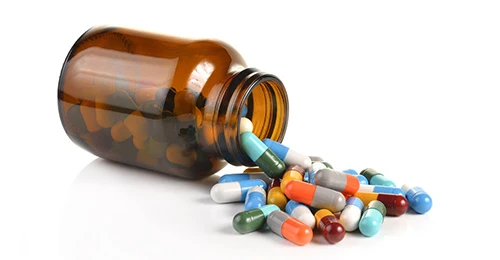
Oddly enough, it feels like every pill has its own little story, carefully crafted to make a difference. Knowing a bit about that story? It’s empowering.
Quick Takeaway: Formulation development is the bridge connecting scientific discovery and global health impact — a delicate blend of art, science, and innovation.