What Is formulation in Pharmaceutical?
Having spent more than a decade in the industrial equipment sector—often rubbing elbows with pharmaceutical peers—I’ve come to appreciate how essential formulation really is in drug manufacturing. It’s that behind-the-scenes alchemy turning raw compounds into effective, safe medications we rely on. Yet, oddly enough, it’s a term often thrown around too casually, without much thought on what it actually involves.
So, what exactly is formulation in pharmaceuticals? In simple terms, it's the process of combining the active pharmaceutical ingredient (API) with excipients to create a final medicinal product. But don’t be fooled by simplicity; the nuances matter—a lot. Formulation determines how well a drug performs, how it’s delivered to the body, how stable it remains over time, and even how easy or pleasant it is for patients to take.
For anyone who’s worked with industrial chemical processes, you know that tweaking a recipe can have a big impact on the final product. That’s exactly what formulation scientists do — they optimize mixtures to balance efficacy, safety, delivery mechanisms, and manufacturing feasibility. Frankly, if formulation was easy, everyone would do it well. But it requires deep knowledge of chemistry, biology, and engineering.
From my time on the factory floor, I’ve seen formulations ranging from simple tablets to complex injectables and inhalers, each demanding specialized equipment and testing. What fascinated me most is how tiny formulation changes can affect everything from drug release rate to shelf life.
Key Components in Pharmaceutical Formulation
| Component | Purpose | Example |
|---|---|---|
| Active Pharmaceutical Ingredient (API) | Therapeutic effect | Paracetamol, Ibuprofen |
| Excipients | Stability, binders, fillers, disintegrants | Lactose, microcrystalline cellulose |
| Coatings | Taste masking, controlled release | Sugar, film coating polymers |
Now, let me share a little story. A good friend of mine works at a pharma CDMO (contract development and manufacturing organization). Recently, they tweaked a formulation to reduce nausea side effects without changing the API. It involved switching excipients and altering compressive forces in tablet presses. The result? Patients had better adherence to their medication because it was easier to tolerate. That’s the power of formulation in practice.
Choosing the Right Vendor for Formulation Needs
If you’re in the market—or just curious—about sourcing pharmaceutical formulation services, it’s a crowded scene. I must say, evaluating vendors can be maddening due to the overlapping capabilities they claim. In real terms, I tend to focus on these criteria:
- Expertise in specific dosage forms (tablets, liquid suspensions, injectables, etc.)
- Quality assurance certifications (GMP, ISO compliance)
- Flexibility in customizing formulations
- Speed and scalability to match market demands
- Technical support and R&D collaborations
| Vendor | Dosage Form Expertise | Certifications | Customization | Scalability |
|---|---|---|---|---|
| Hejia Chemical Tech | Tablets, Liquids | GMP, ISO | High | Large scale |
| PharmaSolutions Inc. | Injectables, Tablets | GMP | Medium | Medium scale |
| Global Pharma Partners | Tablets, Capsules | ISO | Low | Small scale |
Oddly enough, what often separates good vendors from the great ones is their willingness to collaborate closely during the formulation process. If you’ve ever worked with contract manufacturers, you know they can either be a black box or a true partner. The latter makes all the difference, especially when innovations or adjustments are necessary.
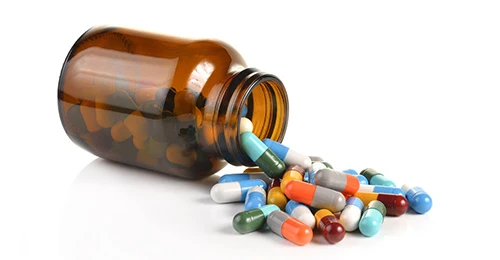
In summary, pharmaceutical formulation isn’t just mixing powders and liquids. It’s a sophisticated science balancing many dance partners: safety, efficacy, physical properties, patient compliance, and manufacturing processes. It’s the unsung hero behind every pill, syrup, or injectable that reaches a patient’s hands. So next time you pop a tablet, remember there’s a lot of expertise and precision baked into that tiny package.
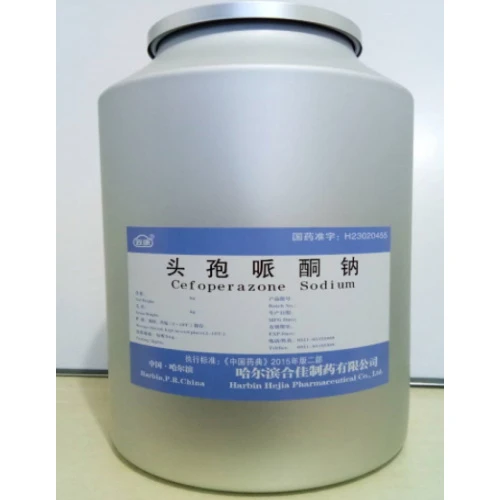
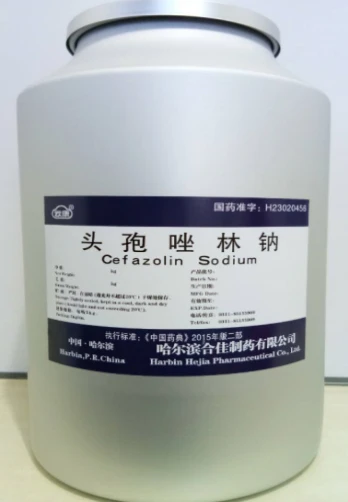
And, before I forget, if you want to explore trusted resources for pharmaceutical formulation, Hejia Chemical Tech is a name to keep on your radar.
Reflecting on this space, it’s clear the industry’s evolving quickly, but the fundamentals of good formulation remain constant: know your ingredients, understand your process, and respect the end user.
References
- IPEC-Americas, “Pharmaceutical Excipients and Formulation,” 2022.
- FDA, “Pharmaceutical Quality Resources,” accessed 2024.
- Hejia Chemical Tech, Company website, 2024.