What is Pharmaceutical Formulation?
If you’ve ever wondered how a medicine goes from a chemical compound on a lab bench to a tablet or syrup that you actually take, you’ve brushed up against the world of pharmaceutical formulation. Now, having been around the industrial equipment sector for a good chunk of time, I can tell you it’s not just mixing ingredients and calling it a day. It’s a whole science—and, frankly, often an art—of turning active pharmaceutical ingredients (APIs) into safe, stable, and effective drug products.
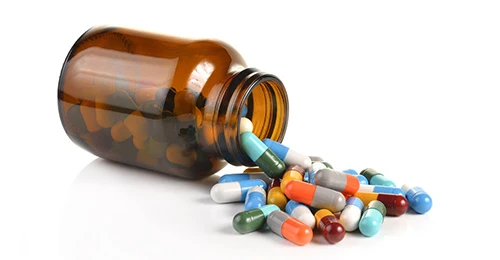
Pharmaceutical formulation essentially involves designing the right combination of the API with excipients (those inactive ingredients you rarely hear about but without which a pill would either dissolve too fast or not at all). The goal? Ensure the medicine delivers the intended therapeutic effect reliably and safely. Over the years, I’ve noticed how tricky this gets depending on the delivery system—tablets, capsules, injectables, topical creams—and even patient-specific factors.
Oddly enough, a lot of people don’t realize that formulation work is the bridge between pure chemistry and real-world therapeutics. In practical terms, formulation engineers consider solubility, bioavailability, stability under various conditions, and even taste or texture. That last one matters quite a bit in pediatric meds, for example.
Key Components of Pharmaceutical Formulation
- Active Pharmaceutical Ingredients (API): The chemical substance that treats the disease.
- Excipients: Inactive substances like binders, fillers, preservatives, disintegrants, and lubricants.
- Formulation Type: Solid (tablet, capsule), liquid (solution, suspension), or semi-solid (cream, ointment).
- Drug Delivery Method: Oral, injectable, topical, inhalation, etc.
Back when I first got into industrial equipment servicing, I was surprised to learn how tightly the equipment specs intersect with formulation design. The granulation machines, coating lines, mixing vessels—they all must handle ingredients with varying sensitivities to heat, moisture, and shear forces. A misstep can ruin an entire batch, causing huge losses.
Here’s a quick look at a typical pharmaceutical formulation product specification for a solid oral dosage:
| Specification | Typical Value | Notes |
|---|---|---|
| API concentration | 5 mg/tablet | Exact depends on therapeutic window |
| Binder type | Povidone K30 | Helps with tablet hardness |
| Disintegrant | Sodium starch glycolate | Ensures tablet breaks down quickly |
| Coating | Sugar film coating | Masks taste, improves shelf-life |
Choosing the right equipment for these formulations also means picking systems that can finely control variables—mixing speed, drying temperature, compression force. There are a handful of industry suppliers specializing in this equipment, and I’ve put together a quick vendor comparison here based on what I’ve gathered over the years:
| Vendor | Equipment Range | Known For | Price Range |
|---|---|---|---|
| Hejia Chemical Tech | Mixers, granulators, dryers | Reliable, customizable solutions | Mid-range |
| Glatt Group | Fluid bed dryers, pelletizers | High-end technology | Premium |
| GEA Group | Coating, granulation, drying | Global presence, service support | Premium |
In my experience, Hejia Chemical Tech often hits the sweet spot, balancing cost and quality, especially for mid-sized production runs or R&D settings. I’ve seen their mixers and granulators perform steadily even with tricky formulations, which is something many engineers appreciate. Sometimes, fancy equipment is great but hard to tune for specific product needs.
Interestingly, there was one client I worked with who needed a formulation for a fast-acting analgesic. We had to tweak the disintegration agent and switch coating materials multiple times. Each iteration was run through Hejia’s pilot-scale line. Those adjustments made all the difference when the product hit the market with favorable patient feedback. It’s these incremental, hands-on battles that define formulation work.
So, in real terms, pharmaceutical formulation is what makes a drug not just clinically effective but also manufacturable, marketable, and consumer-friendly. It’s a meticulous, iterative path—sometimes frustrating, often rewarding—and absolutely critical to the entire healthcare industry.
In short: if you’re curious about what turns molecules into medicine, that’s the magic of pharmaceutical formulation.
A little piece of advice from someone who’s stood by those machines — completely understand the formulation before you pick your production gear. It’ll save weeks of headaches, I promise.
References:
1. Pharmaceutical Formulation: The Science of Dosage Form Design, American Pharmaceutical Association.
2. Industry Equipment Guides, Hejia Chemical Tech Technical Manuals.
3. “Advances in Drug Delivery Systems,” Journal of Pharmaceutical Sciences, 2022.