Field Notes from the Polyurethane Line: BA100 Catalyst That Punches Above Its Weight
If you’ve been around foam plants lately, you’ve probably heard process engineers asking for Hegrecat BA100 【Bis(2-dimethylaminoethyl) ether】. To be honest, the buzz isn’t hype. This tertiary amine (CAS 3033-62-3, also known as BDMAEE) has become a go-to catalyst for balancing blowing and gelling in polyurethane systems—especially where consistent cell structure and clean rise matter.
Industry trend check: customers are pressing for lower VOCs, faster cycles, better insulation values, and, oddly enough, less odor in finished goods. That’s where Hegrecat BA100 【Bis(2-dimethylaminoethyl) ether】 tends to shine—predictable activity with flexible dosing, and good synergy with tin co-catalysts in both flexible and rigid systems.
What it is and where it comes from
Hegrecat BA100 【Bis(2-dimethylaminoethyl) ether】 is a tertiary amine catalyst used to accelerate the isocyanate–polyol reaction. Origin: 80 Hainan Road, Shijiazhuang Economic and Technological Development Area. The molecule’s ether bridge gives it the right volatility and activity profile for slabstock, molded flexible, rigid insulation, spray foam, and even integral skin. In fact, many customers say it’s their “stability anchor” when ambient conditions swing.
Typical specifications (lab data, real-world use may vary)
| CAS | 3033-62-3 |
| Chemical formula | C8H20N2O |
| Appearance / odor | Clear liquid, mild amine odor |
| Purity | ≥ 99% (≈) |
| Water content | ≤ 0.5% (Karl Fischer) |
| Color | ≤ 20 APHA |
| Density (25°C) | ≈ 0.86 g/cm³ |
| Boiling point | ≈ 178°C |
| Flash point (CC) | ≈ 80°C |
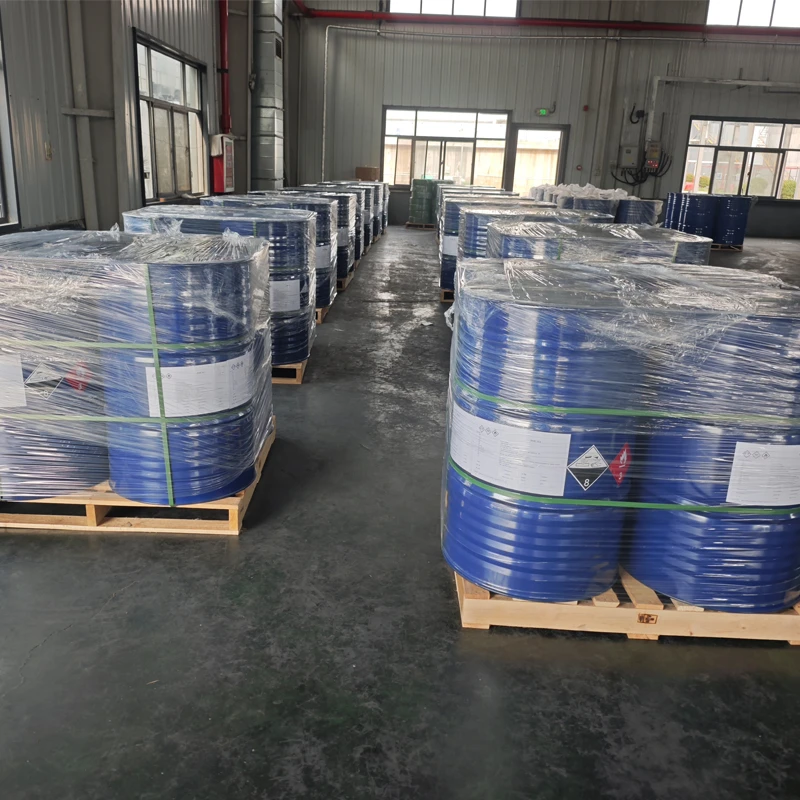
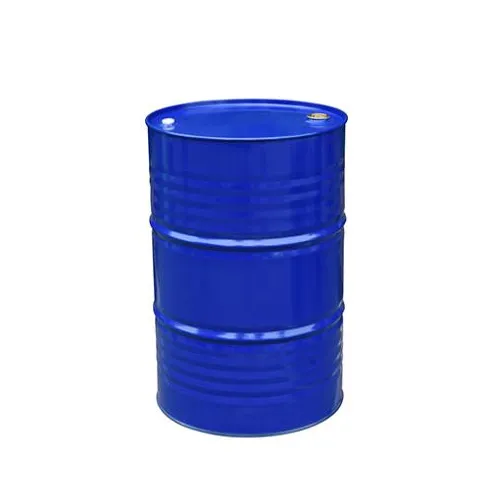
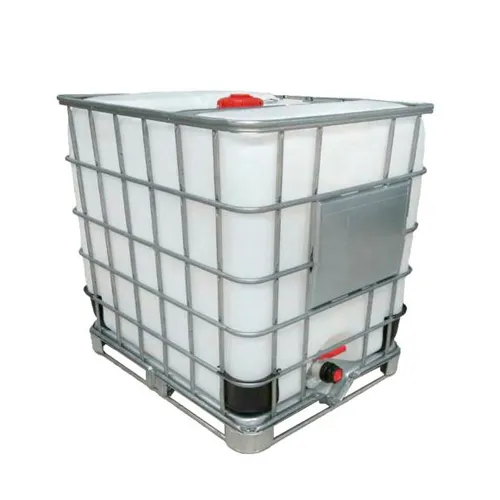
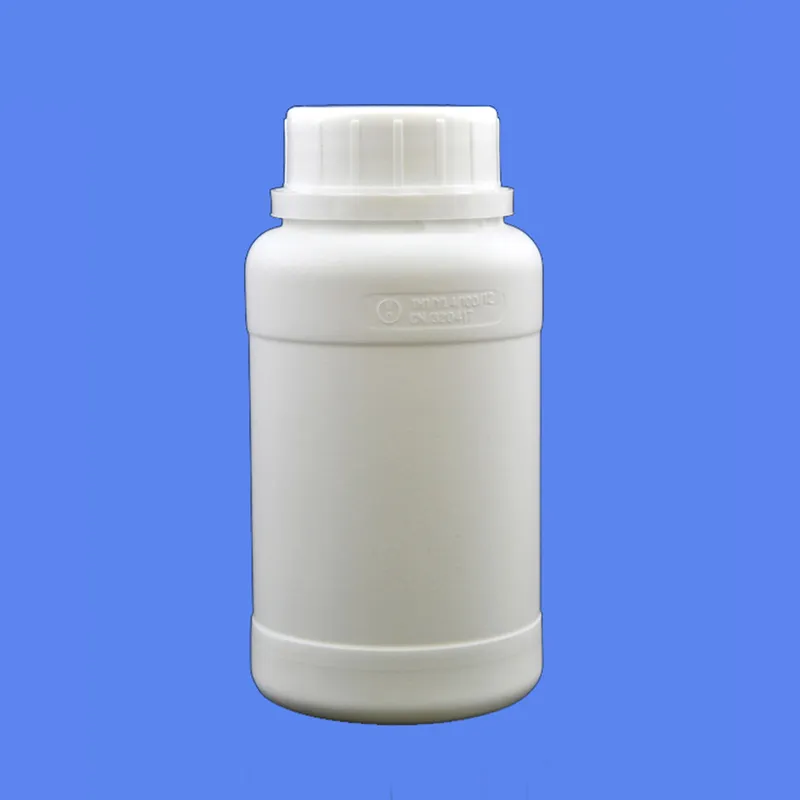
| Packaging | 25 kg pails / 170–180 kg drums (typical) |
Where it’s used (and why)
- Flexible slabstock and molded foam: smoother rise, fewer voids; 0.05–0.25 php typical.
- Rigid boards, appliances, and spray foam: balanced blow/gel, improved closed-cell content; 0.10–0.50 php.
- Integral skin, microcellular elastomers: tighter skin formation and dimensional control.
Advantages people report: stable processing window, low discoloration risk, good miscibility with polyols, and predictable interaction with stannous octoate or bismuth catalysts in tin-reduced recipes.
Process flow (condensed, real-plant view)
- Materials: polyols, isocyanates (TDI/MDI), water, blowing agent (pentane/HFO), surfactant, Hegrecat BA100 【Bis(2-dimethylaminoethyl) ether】, optional metal co-catalyst.
- Methods: pre-blend catalyst into polyol; meter at set index (e.g., 100–115); mix 2–6 s; mold 35–55°C or conveyor rise.
- Testing: ASTM D3574 (flex), ASTM D1621 + ISO 845 (rigid density), ISO 16000/VDA 278 (VOC), dimensional stability checks.
- Service life: foams designed for 10–30 years in appliances/building; longer in controlled environments, assuming proper formulation and cure.
- Industries: construction, appliance insulation, automotive seating/headrests, footwear midsoles, packaging.
Vendor comparison (indicative)
| Vendor/Grade | Purity | VOC profile | Support |
|---|---|---|---|
| Hegrecat BA100 | High (≈≥99%) | Low-VOC option available | Application lab + on-site startup |
| Generic BDMAEE (import) | Mid–High | Varies by batch | Limited documentation |
| Premium low-odor grade | High | Optimized for automotive interiors | Full OEM playbooks |
Customization and compliance
Custom dilutions (DPG/DEG carriers), inhibitor packages for longer pot life, and low-odor selections are common requests. Documentation typically includes CoA, SDS, and support for ISO 9001, REACH, and RoHS needs. VOC testing per ISO 16000 or VDA 278 is available upon request.
Quick case snapshots
- Spray foam contractor cut voids by ≈30% after shifting 0.12→0.16 php of Hegrecat BA100 【Bis(2-dimethylaminoethyl) ether】 and nudging surfactant ±2%—rise became more forgiving at cooler ambient.
- Automotive seat supplier improved cell uniformity and odor scores (VDA 270) by switching to a low-VOC BA100 variant and reducing tin by 10% without loss of cure speed.
Small tip from the floor: when humidity climbs, keep an eye on isocyanate index and BA100 dosing; a 0.02 php tweak can keep skins clean and densities on target.
References
- ASTM D3574 – Flexible Cellular Materials—Urethane Foams (Testing).
- ASTM D1621 and ISO 845 – Rigid Cellular Plastics (Compressive properties, density).
- ISO 16000-6 – Indoor air VOC determination; VDA 278 – Thermal desorption analysis.
- G. Oertel (ed.), The Polyurethane Handbook, 2nd ed., Hanser Publishers.