Ceftriaxone 2 mg Injection: A Comprehensive Overview
Ceftriaxone 2 mg injection is a widely used broad-spectrum cephalosporin antibiotic crucial in treating a variety of bacterial infections. This article provides an in-depth exploration of this medication, covering its uses, dosage, potential side effects, and essential considerations for healthcare professionals and patients. Understanding the nuances of ceftriaxone is vital for effective treatment and minimizing adverse reactions. We'll examine its pharmaceutical characteristics and how it plays a significant role in modern medicine.

Understanding Ceftriaxone: Mechanism of Action
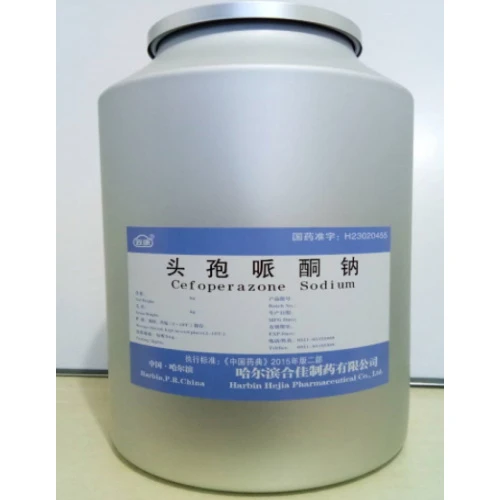
Ceftriaxone functions by inhibiting bacterial cell wall synthesis. Specifically, it binds to penicillin-binding proteins (PBPs), enzymes responsible for constructing the peptidoglycan layer of bacterial cell walls. This binding disrupts the integrity of the cell wall, leading to bacterial cell death. Ceftriaxone’s broad-spectrum activity stems from its ability to target a wide range of gram-positive and gram-negative bacteria. It’s particularly effective against infections caused by Streptococcus pneumoniae, Haemophilus influenzae, and Neisseria gonorrhoeae. Its potent action makes it a cornerstone in treating severe infections where rapid and reliable antibiotic coverage is paramount. Hejia Chemical Tech specializes in high-quality pharmaceutical intermediates, including those essential for ceftriaxone production.
Key Highlights: Ceftriaxone inhibits bacterial cell wall synthesis by binding to PBPs, leading to cell death. Its broad-spectrum activity makes it effective against a wide range of bacteria.
Common Uses of Ceftriaxone 2 mg Injection
Ceftriaxone is prescribed for a diverse array of bacterial infections. These include, but aren't limited to, lower respiratory tract infections (like pneumonia), skin and soft tissue infections, bone and joint infections, and sexually transmitted infections such as gonorrhea. It's often used in the treatment of meningitis caused by susceptible bacteria and is a crucial component in empiric therapy for severe infections where the causative organism isn't immediately identified. Its versatility and efficacy have established it as a vital medication in hospitals and clinical settings worldwide. The appropriate dosage, determined by a healthcare professional, is crucial for optimal treatment outcomes.
Key Applications:
• Lower respiratory tract infections
• Skin and soft tissue infections
• Sexually transmitted infections (e.g., gonorrhea)
• Meningitis
Ceftriaxone 2 mg Injection: Dosage and Administration
The dosage of ceftriaxone varies depending on the severity and type of infection, the patient’s age, kidney function, and overall health. Typically, it's administered via intramuscular (IM) or intravenous (IV) injection. For IM administration, the solution is usually reconstituted with lidocaine to reduce pain at the injection site. IV administration allows for faster and more consistent drug delivery. Standard adult dosages often range from 1-2 grams daily, but specific guidelines should always be followed as determined by a physician. Improper dosage can lead to treatment failure or increased risk of side effects.
Potential Side Effects and Precautions
While generally well-tolerated, ceftriaxone can cause side effects. Common side effects include pain at the injection site, diarrhea, nausea, and vomiting. More serious but less frequent side effects include allergic reactions (rash, itching, difficulty breathing), and in rare cases, the formation of gallstones. Patients with a history of allergy to cephalosporins or penicillins should inform their doctor before receiving ceftriaxone. It's crucial to complete the full course of treatment, even if symptoms improve, to prevent the development of antibiotic resistance. Hejia Chemical Tech provides high-purity ceftriaxone intermediates, contributing to the safety and efficacy of the final product.

Quality Control and Sourcing from Reliable Suppliers
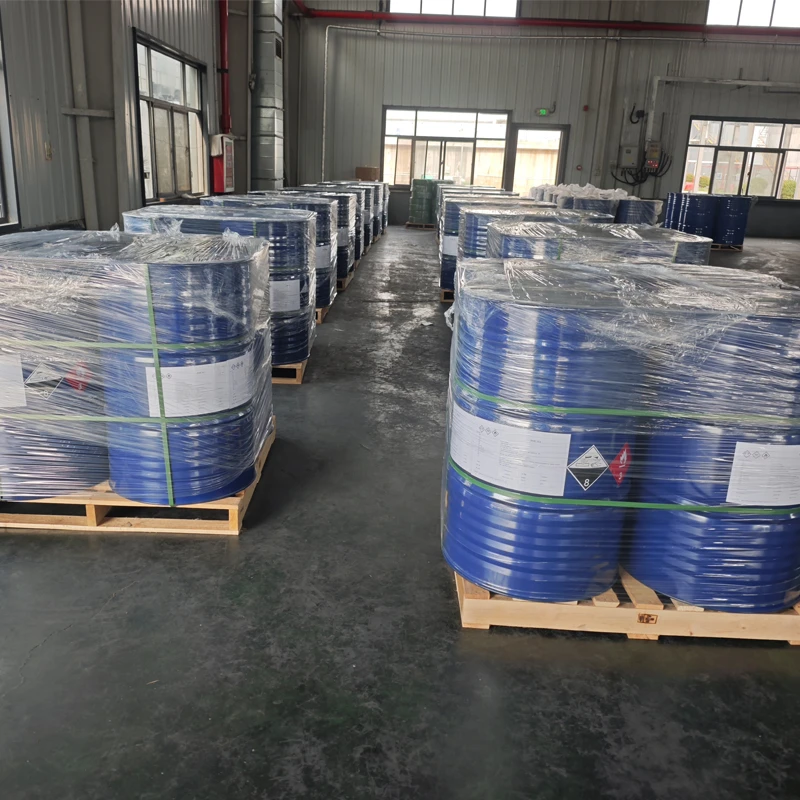
Ensuring the quality of ceftriaxone is paramount. Sourcing from reputable manufacturers and suppliers, such as Hejia Chemical Tech, is essential. Rigorous quality control measures, including testing for purity, potency, and sterility, are critical to guaranteeing a safe and effective product. Pharmaceutical companies must adhere to stringent regulatory standards, such as those set by the FDA and EMA, to maintain the integrity of the supply chain and protect patient safety. Traceability of raw materials and meticulous documentation are also key components of a robust quality assurance system.
Conclusion: Ceftriaxone – A Vital Antibiotic
Ceftriaxone 2 mg injection remains a cornerstone in the treatment of numerous bacterial infections. Its broad-spectrum activity, coupled with appropriate dosage and administration, makes it a valuable asset in modern medicine. By understanding its mechanism of action, potential side effects, and the importance of sourcing from reliable suppliers like Hejia Chemical Tech, healthcare professionals can optimize patient outcomes and combat the growing threat of antibiotic resistance.
Frequently Asked Questions (FAQs)
What should I do if I experience a severe allergic reaction to ceftriaxone?
If you experience signs of a severe allergic reaction, such as difficulty breathing, swelling of the face, lips, or tongue, or hives, seek immediate medical attention. These symptoms require emergency treatment, typically involving epinephrine administration and supportive care. Inform the healthcare professionals of your allergic reaction to ceftriaxone to avoid future exposure. Even mild allergic reactions should be reported to your doctor.
Can ceftriaxone be used during pregnancy or breastfeeding?
The use of ceftriaxone during pregnancy and breastfeeding should be carefully considered and discussed with a healthcare professional. Ceftriaxone generally crosses the placenta, but its effects on the developing fetus are not fully known. While considered relatively safe, it should only be used if the potential benefits outweigh the risks. Small amounts of ceftriaxone are excreted in breast milk, but it's generally considered compatible with breastfeeding.
What interactions should be aware of when taking ceftriaxone?
Ceftriaxone can interact with certain medications, including anticoagulants (blood thinners) and probenecid. Concurrent use of ceftriaxone with anticoagulants may increase the risk of bleeding. Probenecid can increase ceftriaxone levels in the blood, potentially leading to toxicity. Always inform your doctor about all medications you are taking, including over-the-counter drugs and supplements, before starting ceftriaxone treatment.
How is ceftriaxone stored properly?
Ceftriaxone should be stored at controlled room temperature, protected from light and moisture. Reconstituted solutions should be used immediately or stored in a refrigerator for a limited time, as specified by the manufacturer. Always check the expiration date before using the medication. Proper storage ensures the stability and efficacy of the drug.